Premium Plush Goes Mainstream: Jellycat's TIME100 Nod and the US Market Shift

When TIME published its 2026 list of the world's 100 most influential companies, one name stood out to anyone who works in toys: Jellycat. A British maker of soft toys shaped like animals, food, and everyday objects landed alongside global tech and finance giants. The placement is a marker for how far plush has moved from the children's shelf into a mainstream lifestyle and collectible category, and the shift is clearest in the United States, the largest plush market in the world.

The story behind the recognition is not one hit product. It is a way of selling plush that treats the toy as the center of a brand world, with recognizable characters, seasonal drops, and physical experiences that fans travel to see. Over the past quarter the same pattern showed up across the US market, from legacy brands launching new formats to fresh data on who is actually buying. For manufacturers and brands planning their own plush lines, it points to where demand is heading.

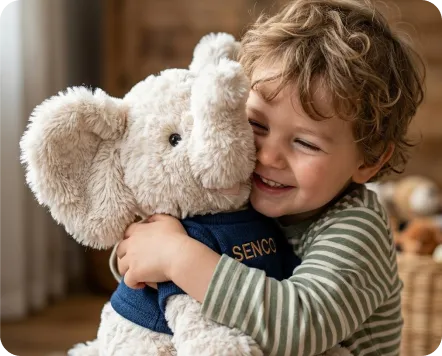
What is driving the premium plush boom? Adults. Grown-up buyers now purchase plush for comfort, decoration, and collecting, not only as gifts for children, and they will pay more for soft, well-made, character-led product. Add social media, where cute plush is easy to film and share, and experiential retail that turns a purchase into an outing, and a former nursery item becomes a repeat, higher-margin buy. North America holds the biggest share of that spending, which is why so much of the activity lands there.

A Soft-Toy Maker on TIME's Most Influential List

Jellycat's numbers show why it drew attention. Company sales climbed from about $7 million in 2013 to $252 million in 2023 and $446 million in 2024, and it now works with more than 7,000 retailers across 80 countries. Growth on that scale from soft toys alone is unusual, and it came without licensing anyone else's characters.

The engine is experiential retail. Jellycat's first branded experience, a mock diner, opened inside FAO Schwarz in New York in 2023 and drew a response the company did not expect. Activations followed, including a patisserie counter at Galeries Lafayette in Paris, a ski club pop-up in Los Angeles, and shop-in-shop spaces at Harrods in London. In 2026 the brand added locations in Milan, Copenhagen, and Stuttgart, with Hong Kong next. The lesson for the industry is that Jellycat built worlds around its toys, giving fans a reason to visit, photograph, and collect instead of buying one plush and stopping.

The Kidult Buyer Is Now the Main Event

The audience shift underneath this is structural, not a fad. Industry estimates put adults at more than a fifth of plush toy sales in 2024, and premium brands like Jellycat and Squishmallows are credited with turning the category from a children's aisle into an adult lifestyle and collectible market. Grand View Research values the global stuffed animal and plush market at roughly $14.8 billion in 2026 and projects about $25.9 billion by 2033, with North America holding the largest regional share at around 37 percent, driven by demand for licensed and character-based toys.

Licensed characters remain the biggest single pull. Circana reported that US licensed toy sales rose 18 percent in the first half of the year, with properties tied to hit films among the top performers. For plush the takeaway is consistent: buyers reach for characters they already know, and they reach more often when the product feels premium and collectible rather than generic.

US Brands Are Chasing the Same Demand

The response from established US brands makes the direction concrete. In May 2026 Build-A-Bear launched Slushie Plushies, its first-ever wearable plush, as part of a summer collection that also introduced two new plush formats. The Slushie line turns drink flavors into make-your-own characters with a matching scent and a recorded sound, and each one hides clips that attach to an optional crossbody strap, so the plush can be worn on a bag rather than only held. The company paired it with small Mini Beans and bag charms built for layering and styling.

Build-A-Bear's chief brand officer, Kim Utlaut, tied the launch to a change in behavior, describing plush as "no longer just something you own, it's something you style and show off." The strategy is working on the balance sheet. Build-A-Bear reported $529.8 million in total revenue for fiscal 2025, its fifth straight year of record results, built on personalization, licensed and collectible tie-ins, and in-store experiences rather than plain toys. A wearable, scented, customizable plush aimed at self-expression is the same premium, collector-friendly logic that lifted Jellycat, applied by a legacy US name.

What It Means for Brands and Buyers

For brands, IP owners, and importers planning a plush line, the past quarter is a useful guide. A few points carry over to any program:

  • Build for the adult buyer, not only the child. When collectors are part of the audience, a soft hand-feel, clean stitching, and accurate character detail justify a higher price. Quality is the product, not an add-on.
  • Think in worlds and collections, not single items. Jellycat's edge is a connected cast of characters and regular seasonal drops. A coherent range gives fans a reason to keep coming back, which one hero SKU cannot.
  • Design for styling and display. Wearable clips, bag charms, and photogenic shapes turn a plush into something people show off, which extends its life well beyond the shelf.
  • Cover formats and price points. Keychains and small collectibles capture impulse buyers, standard plush handles gifting, and a premium or commemorative piece serves collectors. The same character across tiers widens the market.
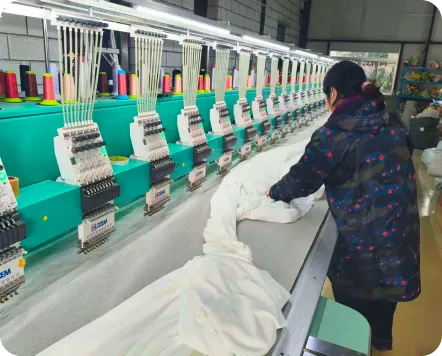
  • Get the premium build right at the factory. Consistent shape, tight embroidery, safe materials, and reliable reproduction from approved sample to bulk are what let a brand charge a premium and keep it.

The through-line across Jellycat's recognition and Build-A-Bear's record run is that plush is now treated as a lifestyle category, and the brands winning are the ones that design, build, and sell it that way. For teams developing their own character plush or branded plush merchandise, from collectible plush keychains and bag charms to a premium commemorative bear, the manufacturing stage is where a premium positioning is earned or lost.

Sources

TIME, "2026 TIME100 Most Influential Companies: Jellycat"
https://time.com/collection/time100-most-influential-companies/2026/jellycat/

Build-A-Bear Workshop, "Build-A-Bear Debuts Its First-Ever Wearable Plush as It Expands into Three New Categories" (May 7, 2026)
https://ir.buildabear.com/news-releases/news-release-details/build-bear-debuts-its-first-ever-wearable-plush-it-expands-three

Grand View Research, "Stuffed Animals And Plush Toys Market"
https://www.grandviewresearch.com/industry-analysis/stuffed-animal-plush-toys-market

Persistence Market Research, "Stuffed & Plush Toys Market Size, Share & Future Scope"
https://www.persistencemarketresearch.com/market-research/stuffed-plush-toys-market.asp

Gifts & Decorative Accessories, "Top Plush Toy Trends for 2026" (Circana licensed-toy data)
https://www.giftsanddec.com/trending-gifts/product-trends/top-plush-toy-trends-for-2026-licensed-characters-and-pet-inspired-designs-lead-the-way/

Contents