FIFA World Cup 2026 Sparks a Plush Toy Boom in North America
The 2026 FIFA World Cup kicked off on June 11 across the United States, Canada, and Mexico, and the soft-toy aisle is one of the places feeling it. Official mascot plush, a commemorative bear, and unofficial player toys are moving through North American retail and online stores as the tournament runs to July 19. For a category built on timing, few moments are bigger than a 48-team tournament hosted at home.
What is driving the World Cup 2026 plush boom? Three things at once. There is an official FIFA plush line built around the tournament's three host-nation mascots, a wider "emotional spending" trend that has adults buying plush as comfort and collectible items, and a North American market that already leads the world in plush sales. Together they create strong, time-boxed demand for event-themed soft toys, most of it made in China and shipped for the tournament window.
The Official FIFA Plush Line
FIFA partnered with toy maker Jazwares for the tournament's official plush collection. The centerpiece is a set of three mascot plushies, each representing a host country and dressed in an official uniform carrying the FIFA World Cup 2026 logo. The line also includes a commemorative plush bear with embroidered details and a jersey, plus a plush replica of the World Cup trophy. The collection is rated for ages 3 and up and began shipping in May, ahead of kickoff. Jazwares is releasing limited-edition collectibles at select tournament venues as well, the kind of event-exclusive souvenir fans take home from a match.
| Mascot | Animal | Host country |
|---|---|---|
| Maple | Moose | Canada |
| Zayu | Jaguar | Mexico |
| Clutch | Bald eagle | United States |
The three mascots, announced in September 2025, were designed to reflect their host nations: Maple the moose for Canada, Zayu the jaguar for Mexico, and Clutch the bald eagle for the United States. They appear on shirts and other merchandise through FIFAStore.com and feature as playable characters in an upcoming FIFA video game, which keeps them in front of fans well beyond the plush shelf.
Why Plush, and Why Now
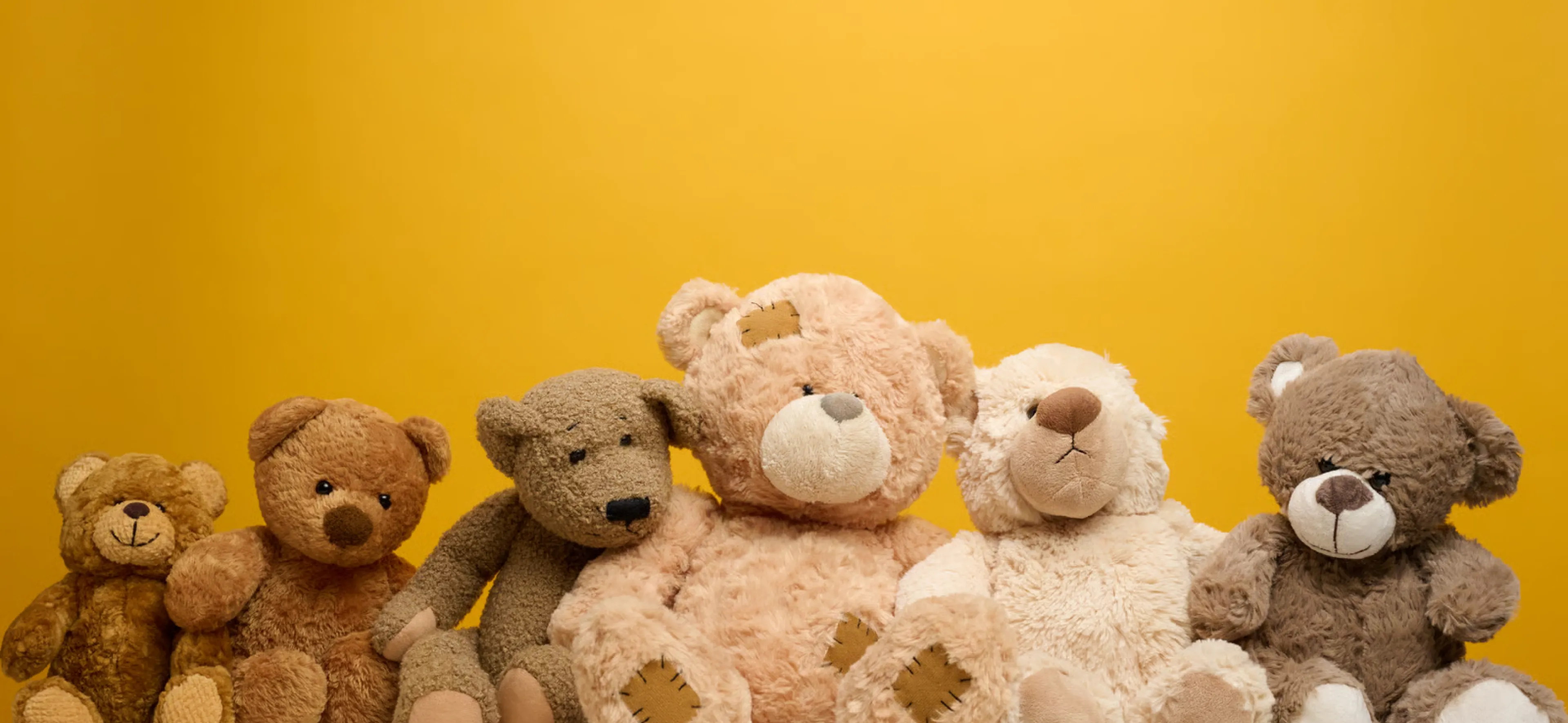
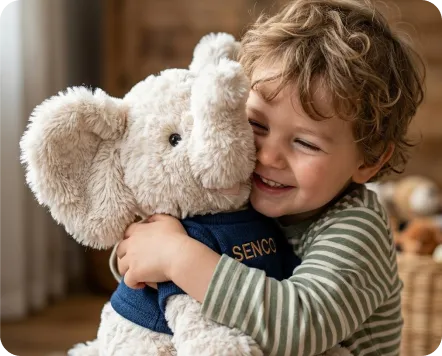
Event plush sells because it combines fandom with emotion. A soft toy in a team uniform is a souvenir, a gift, and a comfort object in one, and it films well on social media, where much of the category's momentum now comes from. That fits a broader shift: adults now make up a large share of plush buyers, treating soft toys as collectibles and stress relief rather than children's playthings alone. Industry trackers put adults at close to a quarter of all toy purchases.
The market size shows why brands chase these windows. The context, by the numbers:
- The global stuffed-animal and plush market was about $13.68 billion in 2025 and is projected to reach roughly $25.94 billion by 2033, growing around 8.4% a year.
- North America is the largest region, holding about 37% of global plush revenue in 2025.
- Licensed toys have outpaced the wider market, with retail tracker Circana reporting an 18% rise in licensed-toy sales in the first half of 2025, led by entertainment properties.
A World Cup hosted across North America lands all three trends in the same place at the same time. The demand reaches past the official line, too. Chinese factories in Yiwu, the country's wholesale export hub, have ramped up production of unofficial player plush, with Lionel Messi toys a standout, riding the same emotional-spending wave even though China did not qualify for the tournament.
What It Means for Brands and Buyers
For brands, IP owners, and promotional buyers, the lesson is practical: event-driven plush is a real, repeatable opportunity, and the teams that win it plan early. A tournament, a film release, a product launch, or a sponsorship can each carry a soft-toy tie-in, and the same production playbook applies to all of them.
The constraint is timing. Licensed mascot plush has to be designed, sampled, safety-tested for its market, and produced in bulk well ahead of the event, which is why the official 2026 line shipped in May for a June kickoff. Custom mascot plush and event promotional plush both run on multi-week lead times, so the design and sampling usually start months before the toy needs to reach a shelf or a venue. Brands that lock artwork, materials, and compliance early have product ready when attention peaks; the ones that move late miss the window.
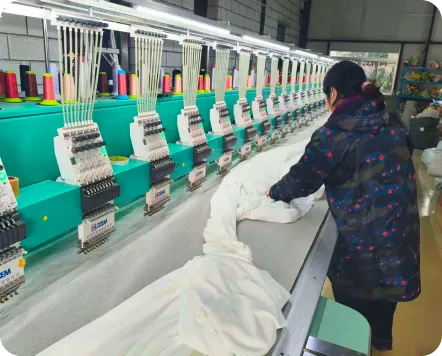
The manufacturing side is largely settled. Most World Cup plush, official and unofficial, is made in China, where design, sampling, and bulk production for this kind of licensed soft toy is concentrated. For a buyer, the real work is choosing a factory that can hold character accuracy, meet the destination market's safety standards, and deliver on a fixed event date.
Sources
FIFA, "Colourful trio of mascots unveiled for FIFA World Cup 26"
https://www.fifa.com/en/tournaments/mens/worldcup/canadamexicousa2026/articles/clutch-maple-zayu-mascots-unveiled
The Toy Insider, "Prep for the FIFA World Cup 2026 with Jazwares' Plush Collection"
https://thetoyinsider.com/jazwares-fifa-world-cup-2026-plush-collection-news/
IBTimes UK, "World Cup 2026: Emotional Spending Frenzy Boosts Chinese Toy Makers as Messi Plushies Become Surprise Hit"
https://www.ibtimes.co.uk/chinese-toy-makers-messi-plushies-world-cup-2026-1802181
Grand View Research, "Stuffed Animals And Plush Toys Market"
https://www.grandviewresearch.com/industry-analysis/stuffed-animal-plush-toys-market
Gifts & Decorative Accessories, "Top Plush Toy Trends for 2026"
https://www.giftsanddec.com/trending-gifts/product-trends/top-plush-toy-trends-for-2026-licensed-characters-and-pet-inspired-designs-lead-the-way/
Wikipedia, "Maple, Zayu and Clutch"
https://en.wikipedia.org/wiki/Maple,_Zayu_and_Clutch