Mascots Take the Field: The 2026 World Cup Drives a Licensed Plush Rush in North America
The 2026 FIFA World Cup is underway across North America, and it is the largest in the tournament's history. For the first time the event runs across three host countries, the United States, Canada, and Mexico, with 48 teams and 104 matches over 39 days, from June 11 to a July 19 final in New Jersey. Attendance passed 3.6 million by late June, already a World Cup record. For anyone in the plush business, a global audience of this size landing in the biggest plush market in the world is the clearest demand event of the year.
The plush side of it has a single official home. Jazwares holds the worldwide plush license for the tournament, and its collection has been on shelves since spring: plush versions of the three official mascots, 8-inch Squishmallows, keychains, a commemorative bear, and plush of the trophy and the match ball. The mascots anchor the range, and they are a clean example of where plush growth sits right now, in licensed, character-led, event-timed product.
Why is the 2026 World Cup a big deal for the plush industry? Because it puts the three forces driving plush demand together on the sport's biggest stage: a globally recognized property, collectible character merchandise, and a fixed event window that gives people a reason to buy now. It also lands in North America, which holds the largest share of the global plush market. The three official mascots are animals in team kits, which makes them plush-native, and the official licensee is producing them across formats, from small keychains to 8-inch collectibles to a commemorative soccer bear.
A Record Tournament in the Biggest Plush Market
The scale of this World Cup is the story behind the merchandise. The 2026 edition is the first hosted by three nations and the first with 48 teams, up from 32, spread over 16 cities: 11 in the US, 3 in Mexico, and 2 in Canada. At 104 matches across 39 days, it is the longest and largest World Cup ever, and by June 25 total attendance had already broken the record set when the US hosted in 1994.
Where it lands matters as much as its size. North America held roughly 37% of the global stuffed-animal and plush market in 2025, the largest regional share, driven by demand for licensed and character-based toys. A tournament of this reach, hosted in the region where plush spending is highest and retail distribution is deepest, turns a sporting event into a merchandise season. Fans across three countries have local teams and local mascots to buy for, on top of a worldwide audience following the same matches.
The Jazwares License and What It Covers
Jazwares was named the official worldwide plush licensee for the tournament in late 2025, covering plush, wearables, and novelties. The line reached shelves in stages through spring 2026, with the mascot Squishmallows arriving first in April.
The range is built to hit different buyers and price points:
- Mascot plush: Maple the Moose (Canada), Zayu the Jaguar (Mexico), and Clutch the Bald Eagle (USA), each dressed in an official team uniform carrying the World Cup 2026 logo.
- Squishmallows: 8-inch versions of the three mascots, which brings the collectible line's built-in following to the tournament.
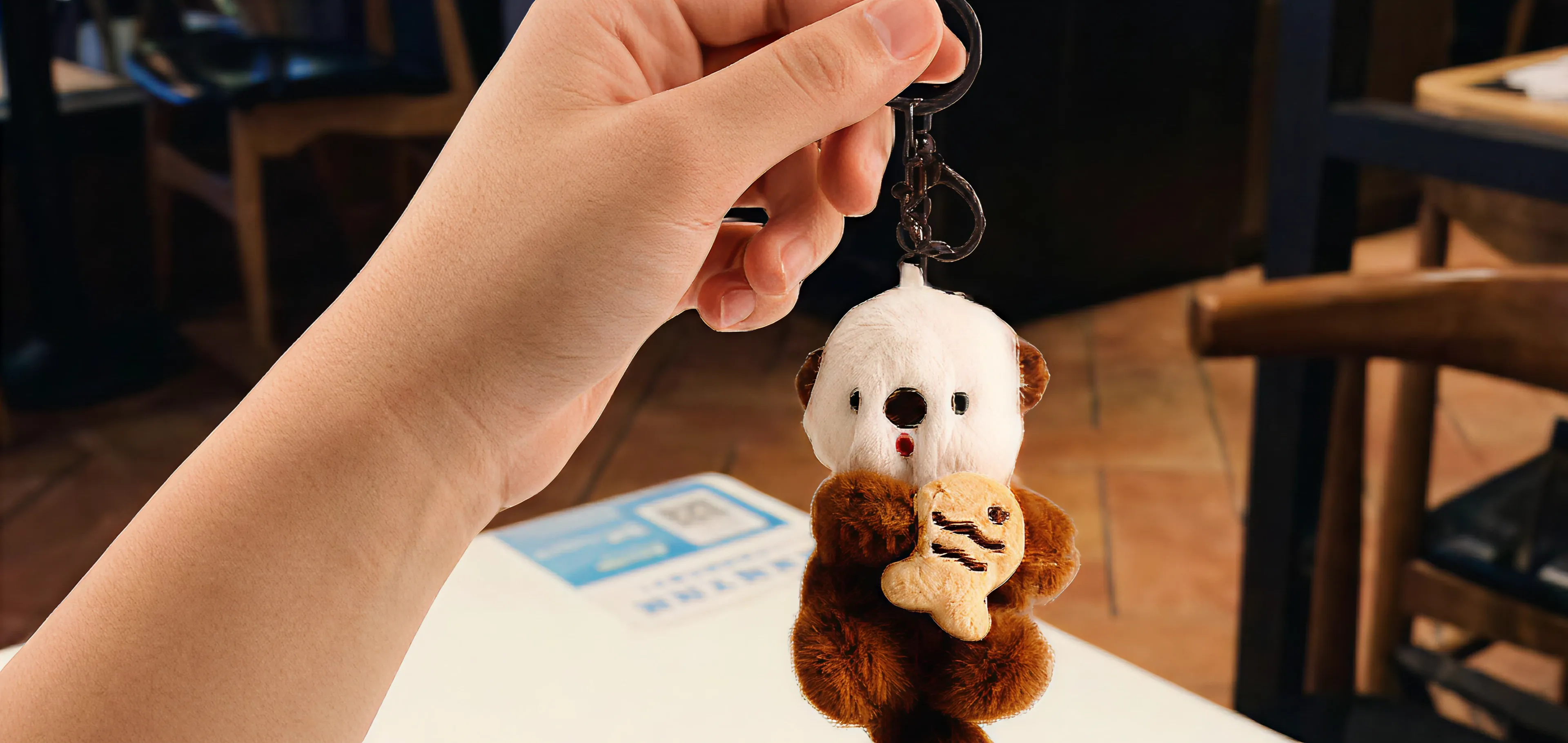
- Keychains and clip-ons: low-price impulse and add-on items in the same mascot designs.
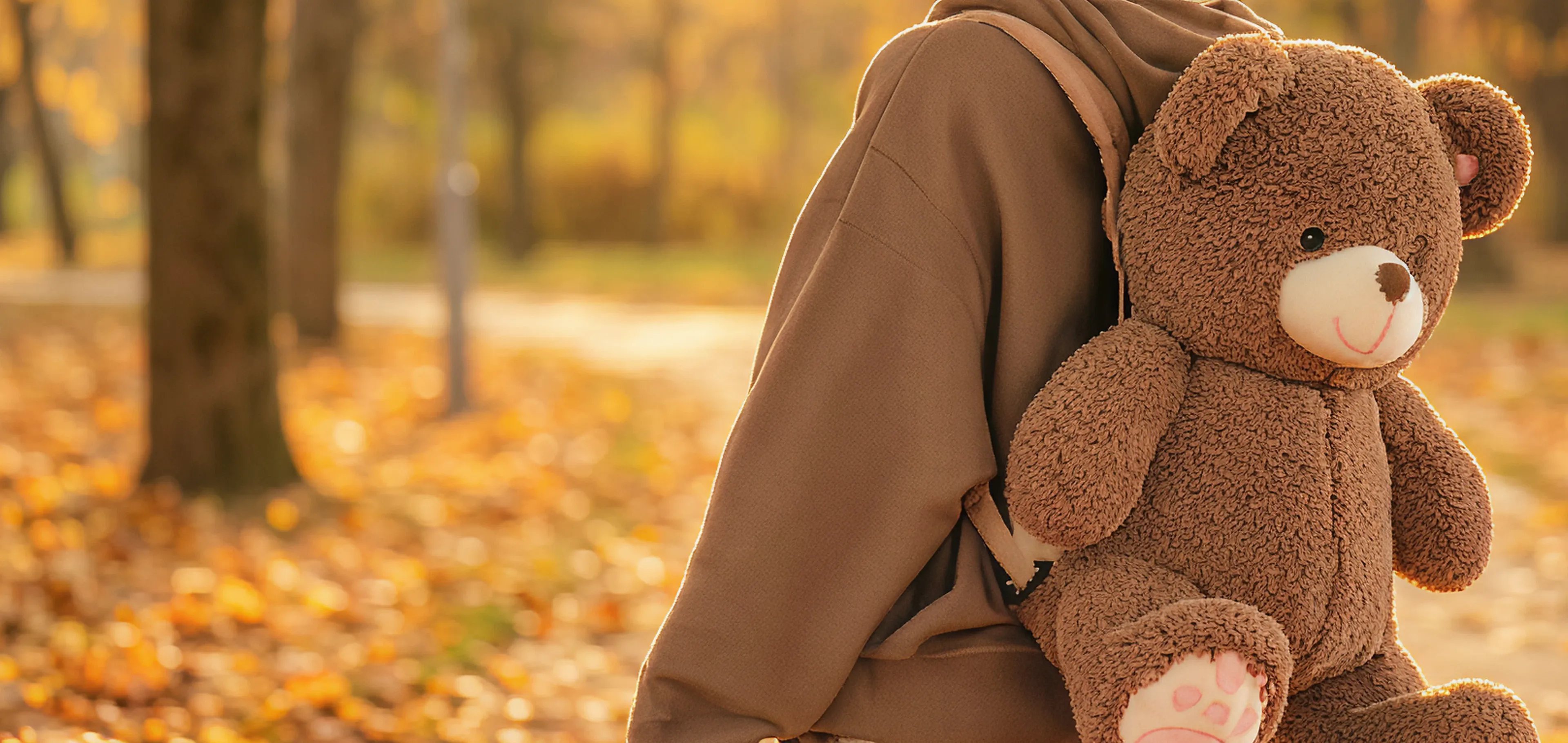
- Commemorative bear: a soft soccer bear with embroidered detail and a jersey, aimed at gift and keepsake buyers.
- Trophy and ball plush: soft versions of the World Cup trophy and the match ball for fans and collectors.
The collection is recommended for ages 3 and up and sells through the official FIFA store, the licensee's own channels, and major retailers. It is a full merchandising program built around one event, covering several formats and price points at once.
Why Mascots Are the Plush Play
Why do event mascots work so well as plush? Because the shape is already a soft toy waiting to happen. All three World Cup mascots are animals, a moose, a jaguar, and a bald eagle, and an animal translates to a rounded, huggable plush far more cleanly than a logo, a trophy, or a human player. Each mascot also represents a host nation, so there is built-in demand in three separate markets, layered under a global fan base watching the same event.
The rest follows the collectible playbook. A set of three invites fans to collect all of them, the team uniforms and event logo give each piece a reason to exist, and offering the same characters as a keychain, a Squishmallow, and a commemorative bear meets buyers at different budgets. This is the on-model, character-first approach the growing side of the plush market rewards, and it is the same logic behind strong mascot plush and licensed character plush programs well outside of sports.
What It Means for Brands and Buyers
For brands, IP owners, and importers, this World Cup is a template worth copying. The plush that sells is tied to something people already care about, released on a schedule that creates urgency, and built to look like the character fans recognize. A few practical takeaways carry over to any program:
- Anchor plush to a moment. An event, launch, film, or season gives people a reason to buy now rather than later. Time-boxed demand is real demand.
- Lead with a recognizable, on-model character. Animals and defined characters translate to plush best. Get the shape, face, and colors right so the toy actually reads as the character.
- Spread across formats and price points. Keychains and small collectibles capture impulse buyers, standard plush covers gifting, and a premium or commemorative piece serves collectors, a group that now makes up close to a fifth of US toy spending.
- Plan lead times around the date. Licensed and event plush lives or dies on hitting the window. Sampling, approvals, and production have to be scheduled backward from the launch, not squeezed in at the end.
The through-line is that a well-made, character-driven plush is worth more to buyers than a generic one, whether it ships for a World Cup or a product launch. For teams building branded plush merchandise around their own IP or an event tie-in, the range this tournament put on shelves, from plush keychains to collectible mascots to a commemorative bear, is a useful map of how to cover a market at every price point.
Sources
FIFA, "FIFA World Cup 2026 Hosts, Cities and Dates"
https://www.fifa.com/en/tournaments/mens/worldcup/canadamexicousa2026/articles/fifa-world-cup-2026-hosts-cities-dates-usa-mexico-canada
Wikipedia, "2026 FIFA World Cup"
https://en.wikipedia.org/wiki/2026_FIFA_World_Cup
Brands Untapped, "Jazwares Named Official Worldwide Plush Licensee for FIFA World Cup 2026"
https://www.brandsuntapped.com/jazwares-named-official-worldwide-plush-licensee-for-fifa-world-cup-2026/
The Toy Book, "Jazwares Scores with FIFA World Cup 2026 Squishmallows"
https://toybook.com/jazwares-fifa-squishmallows-launch/
The Toy Insider, "Prep for the FIFA World Cup 2026 with Jazwares' Plush Collection"
https://thetoyinsider.com/jazwares-fifa-world-cup-2026-plush-collection-news/
Gifts & Decorative Accessories, "Top Plush Toy Trends for 2026" (Circana licensed-toy data)
https://www.giftsanddec.com/trending-gifts/product-trends/top-plush-toy-trends-for-2026-licensed-characters-and-pet-inspired-designs-lead-the-way/
Grand View Research, "Stuffed Animals And Plush Toys Market"
https://www.grandviewresearch.com/industry-analysis/stuffed-animal-plush-toys-market