How to Choose a Custom Plush Toy Manufacturer
Picking the wrong plush manufacturer costs you more than money. Bad samples waste weeks. Late shipments miss launch dates. Poor quality means returns and reputation damage. After working in this industry for 17 years — and hearing plenty of horror stories from clients who came to us after bad experiences elsewhere — here's what actually matters when choosing a plush partner.
The Non-negotiables: What Every Manufacturer Must Have
In-house Production
Ask directly: do you own the factory, or do you outsource to one? A company that owns its production facility controls the timeline, the quality, and the cost. Middlemen and trading companies add a layer of margin and a layer of communication delay. Neither helps your project.
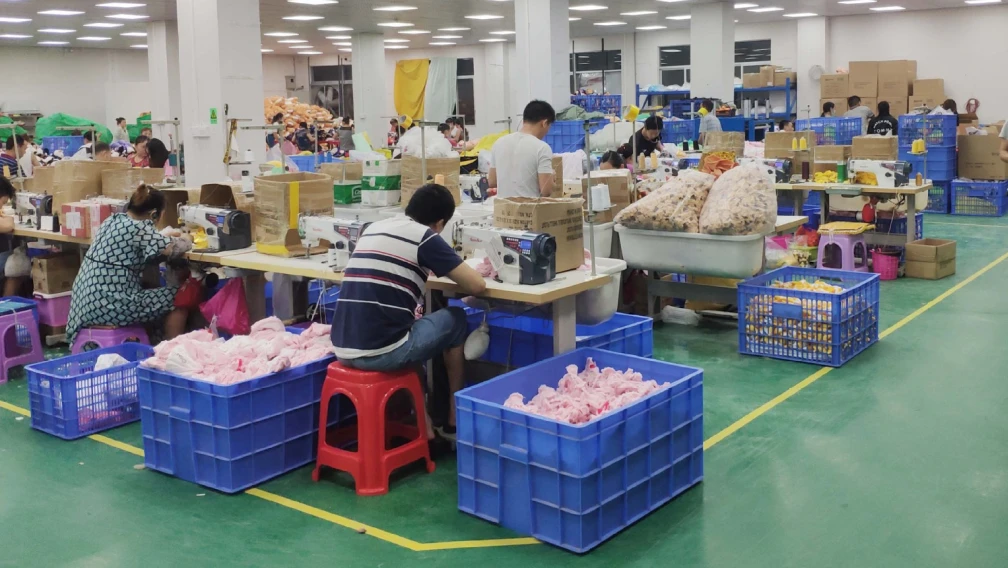
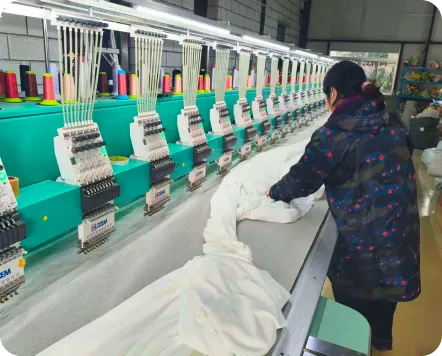
An in-house factory means your project manager can walk to the production floor and check on your order. At our facility in Yangzhou, we run pattern-making, cutting, sewing, stuffing, QC, and packing on the same site — no handoffs between locations.
Relevant Safety Certifications
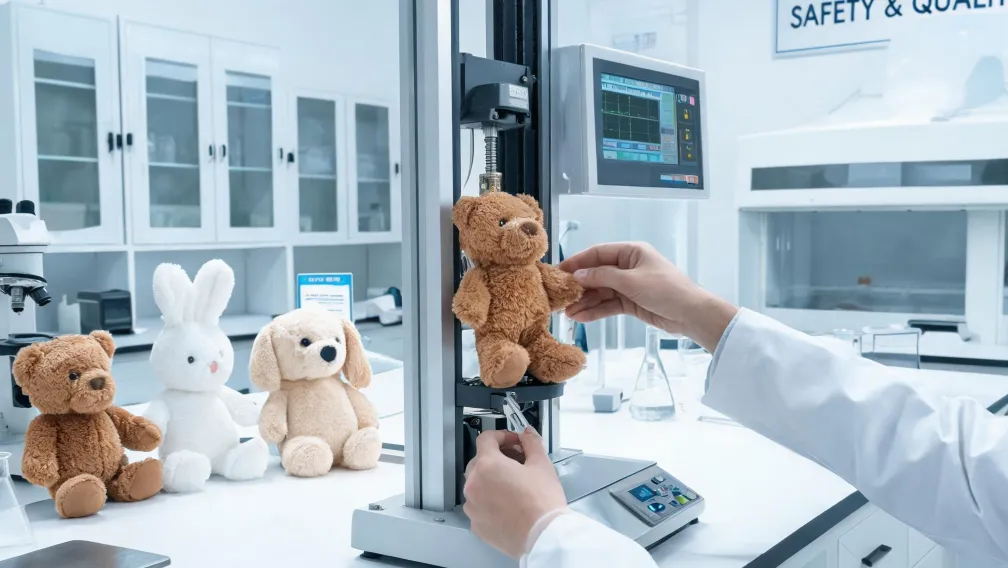
If your product will be sold in the US, EU, or Australia, the manufacturer must be able to produce goods that pass EN71, ASTM F963, and CPSIA testing. Ask for existing test reports from previous production runs. A factory that's never dealt with third-party lab testing is a risk — they may not understand the material restrictions, pull-force requirements, or labeling rules that apply to your market.
Sample Quality
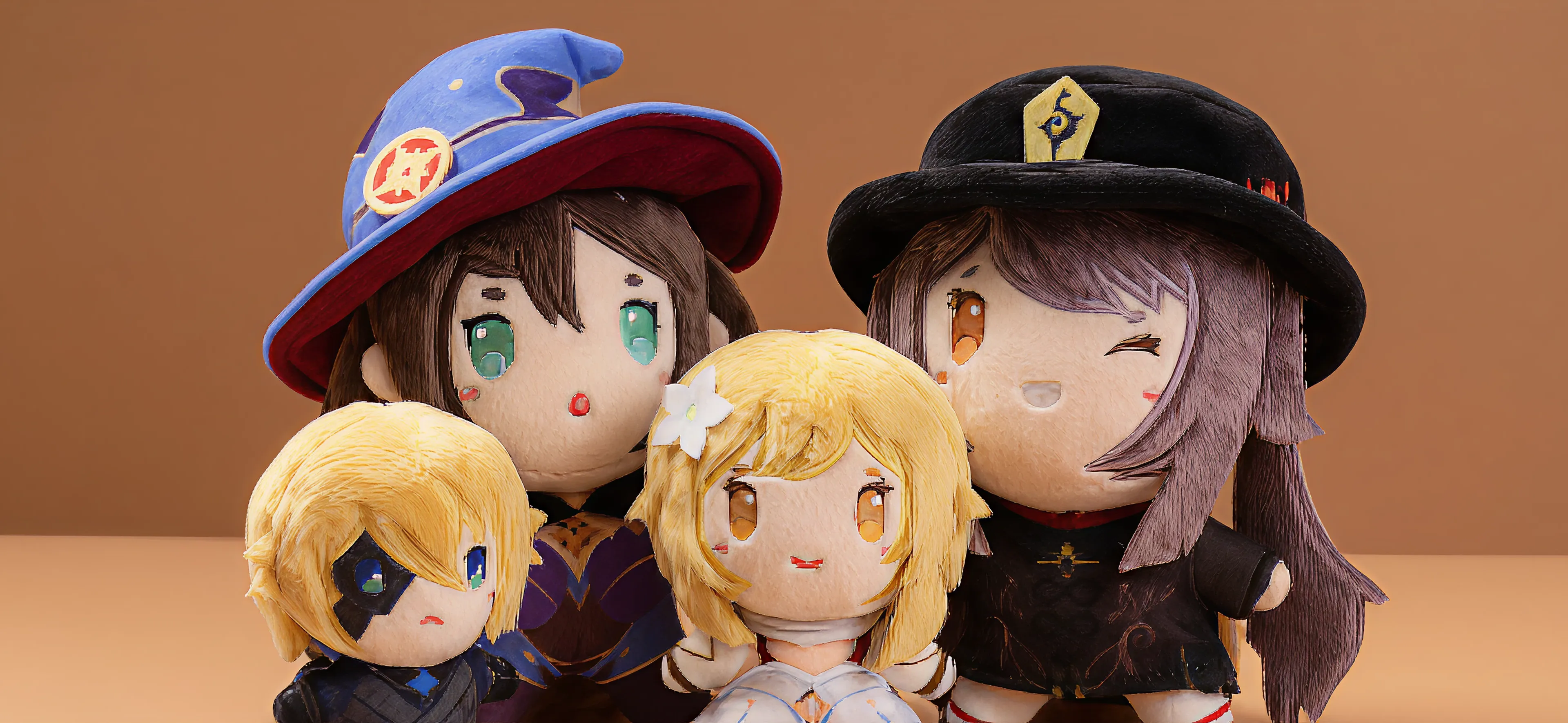
The sample tells you everything. A good factory produces a sample that closely matches your artwork in proportions, colors, and detail. Pay attention to stitching consistency, fabric direction, face symmetry, and filling firmness. If the sample needs three or four revision rounds before it looks right, that's a process signal — expect similar issues during bulk production.
Evaluating a Manufacturer: Practical Checklist
| What to Check | Green Flag | Red Flag |
|---|---|---|
| Factory ownership | Own factory, invites visits or video tours | Won't clarify production location |
| Sample turnaround | 7–14 days with clear revision process | Vague timelines, no revision policy |
| Communication speed | Responds within 24 hours, dedicated contact | Slow replies, different people each time |
| Safety testing | Has existing lab reports, knows your market standards | Unfamiliar with EN71/ASTM/CPSIA |
| Pricing transparency | Itemized quote: unit + sample + testing + shipping | Single lump price, unclear inclusions |
| MOQ flexibility | 300–500 pcs for first orders | Rigid 3,000+ minimum with no exceptions |
| Client references | Can show past work or share client types | No portfolio, no references |
| IP protection | Offers NDA, clear confidentiality policy | Won't sign an NDA |
Questions to Ask Before Committing
Send these to any manufacturer you're seriously considering. Their answers — and how quickly they respond — tell you a lot about how the actual project will go.
- Do you own the factory or outsource production?
- What safety standards can you test to, and do you use accredited third-party labs?
- What does the sample fee include, and is it deducted from the bulk order?
- How many revision rounds are included in the sample fee?
- Will I have a dedicated project manager for my order?
- Can you share photos or video of your factory floor?
- What's your defect rate on recent bulk orders?
- How do you handle quality issues found after delivery?
Why "Cheapest" Often Isn't Cheapest
A common pattern we see: a buyer gets three quotes, picks the lowest one, then comes to us six months later after the first manufacturer delivered late, failed safety testing, or produced plush that looked nothing like the approved sample. The "savings" on unit price got wiped out by rework costs, missed deadlines, and reputational damage.
The more useful comparison is total project cost — unit price plus sample fees, testing, shipping, and the value of your time spent managing issues. A manufacturer that charges $0.50 more per unit but delivers on time with consistent quality is almost always the better deal.
Factory Direct vs. Trading Company vs. US Agent
| Type | Typical Markup | Best For | Watch Out For |
|---|---|---|---|
| Factory direct (China) | None — base cost | Volume orders, cost control | Communication if no English-speaking team |
| Trading company | 15–30% over factory | Multi-product sourcing | Less production control, longer response chain |
| US-based agent | 30–50% over factory | Small orders, hands-off management | Higher cost, less direct access to factory |
For most B2B buyers ordering 500+ custom plush, working directly with a factory that has English-speaking project managers gives you the best balance of cost, control, and communication. That's the model we run at Maris Plush.
What to Do After You Choose
Once you've selected a manufacturer, the process moves fast. Provide your design files in the highest resolution available. Confirm Pantone colors in writing. Request a physical sample — not just photos — before approving production. Set clear expectations on the timeline, and agree on a QC inspection process before shipment.
For a full walkthrough of what happens next, read our guide on how custom plush toys are made. Ready to start? Contact us for a quote and sample.