Custom Teddy Bears: A Complete Guide to Fabrics, Sizes, and Customization
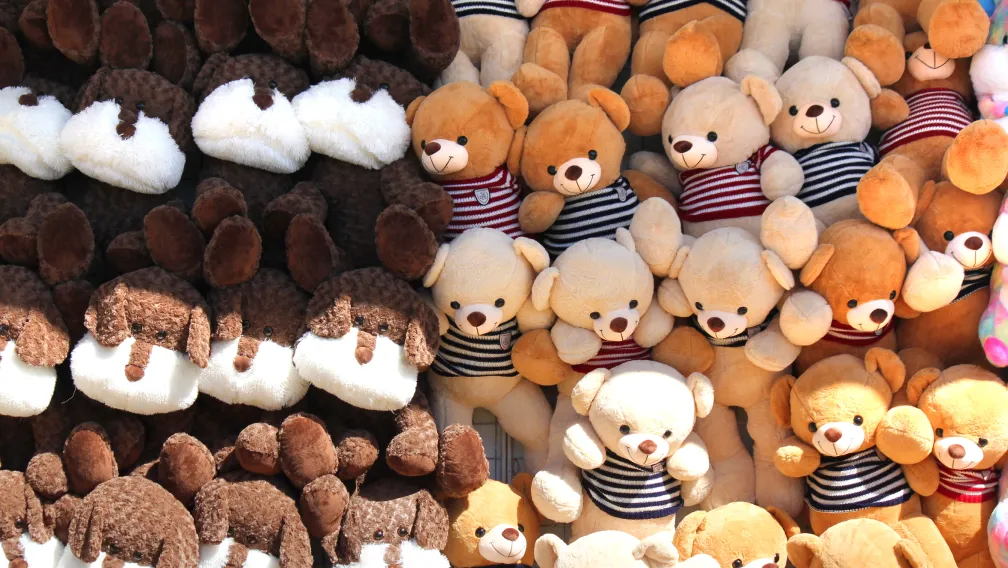
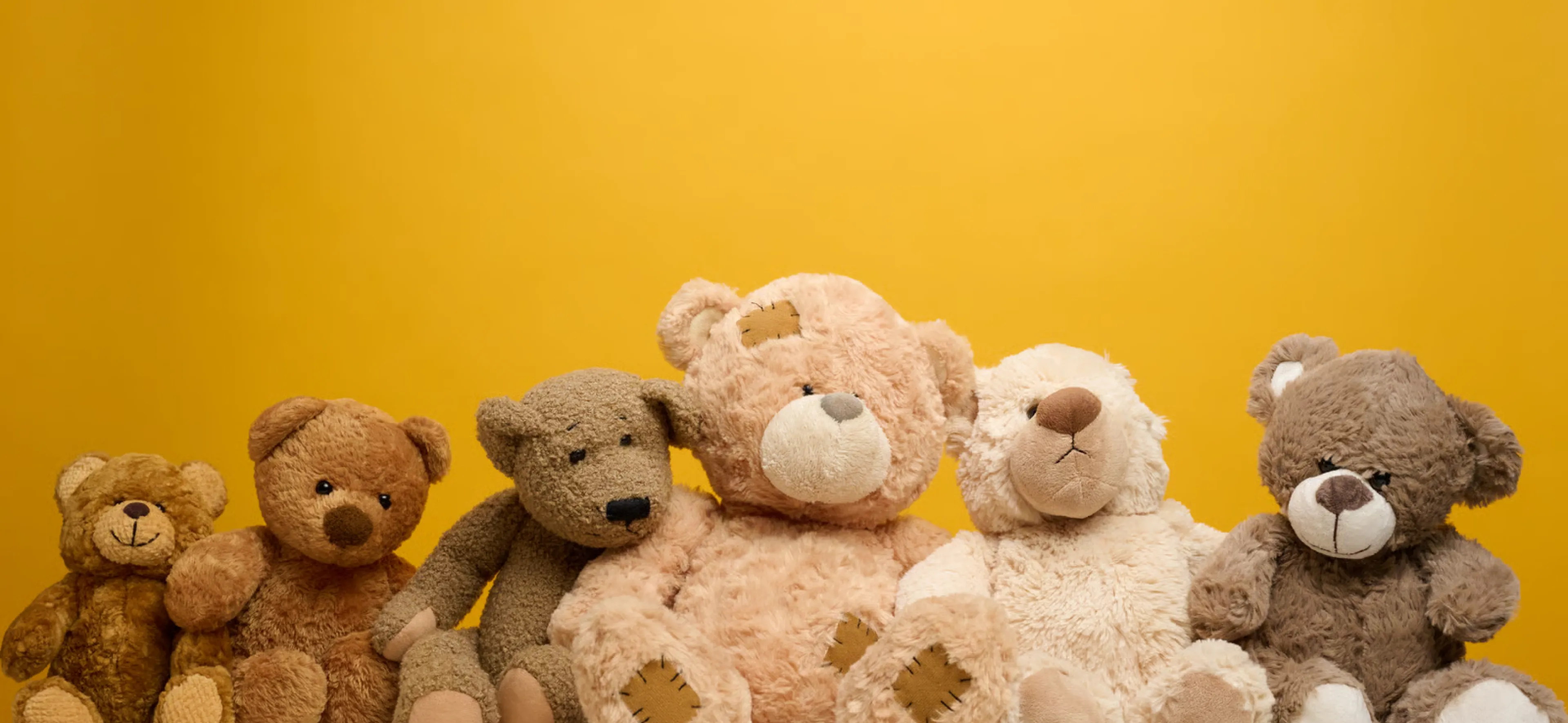
Teddy bears have outsold nearly every other plush shape for over a century, and they still anchor most custom plush programs we run. They read as friendly to any age, they photograph well, and people keep them. For a brand, a retailer, or an event team, a custom teddy bear is one of the few promotional items that ends up on a shelf instead of in a drawer.
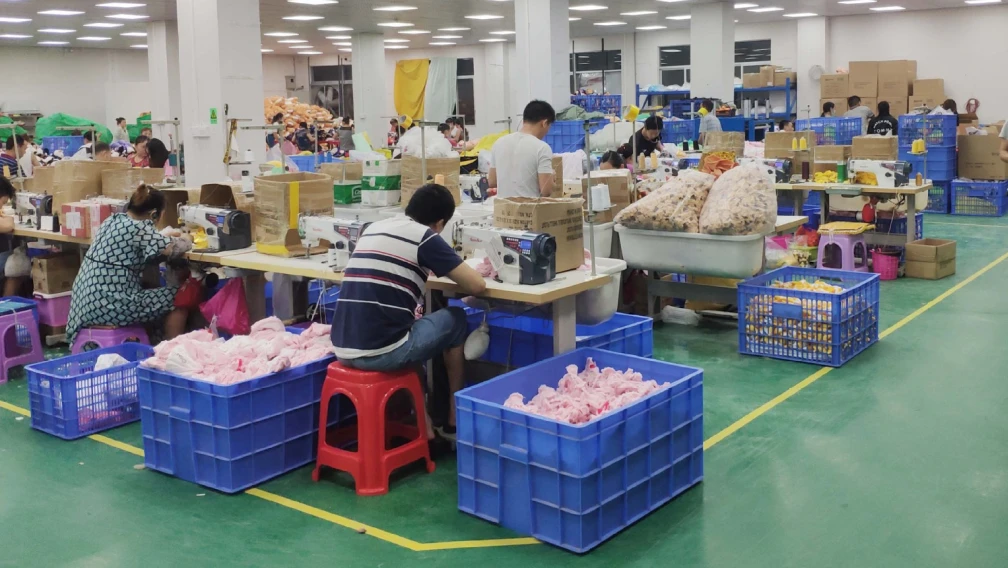
This guide is written from the factory side. We make custom teddy bears for retail lines, corporate gifts, and event campaigns, so it covers the decisions that actually change the product and the quote: the fabric, the stuffing, the size, and the customization options. Get these right early and your first sample lands close, your costs stay predictable, and the finished run matches what you approved.
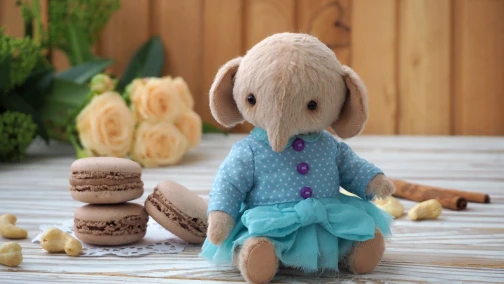
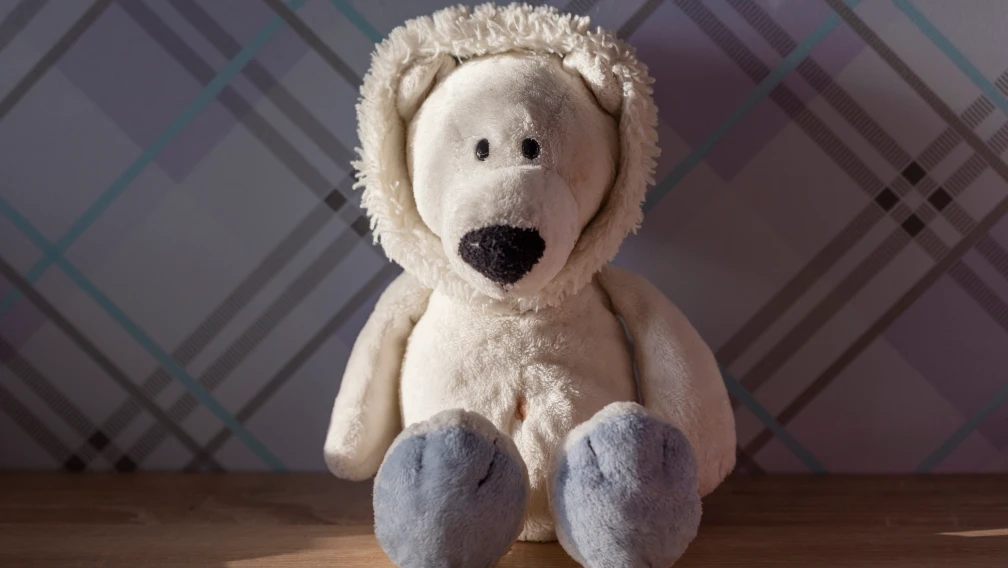
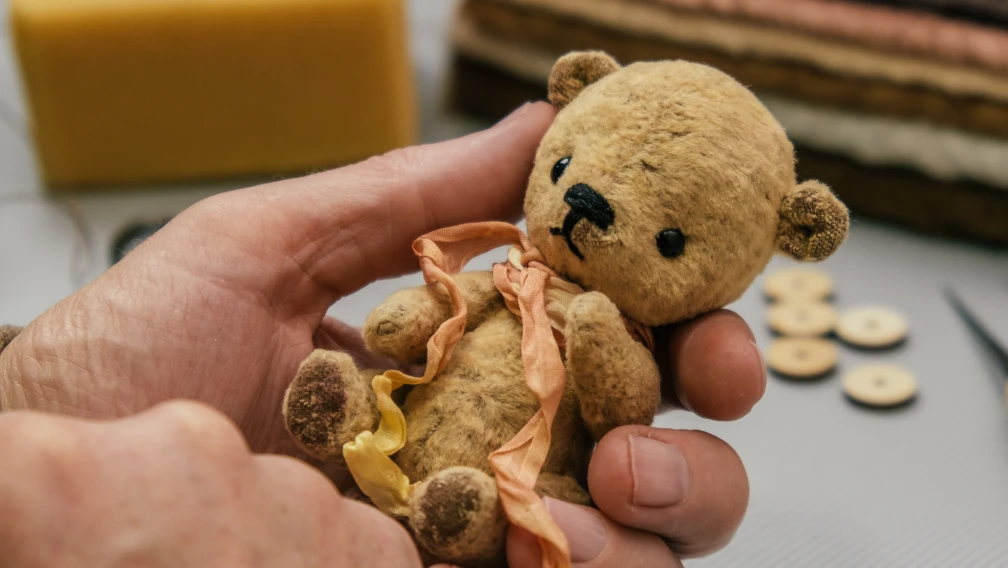
What is a custom teddy bear? A custom teddy bear is a bear built to your own specification rather than pulled from a stock catalog. You choose the size, fabric, color, facial style, clothing or accessories, branding, and packaging, and the factory makes a pattern, produces a sample, and manufactures it to that spec. It can start from a finished design, a reference photo, or a rough sketch, and it is used for retail, promotions, corporate gifting, and events.
Why Custom Teddy Bears Still Work
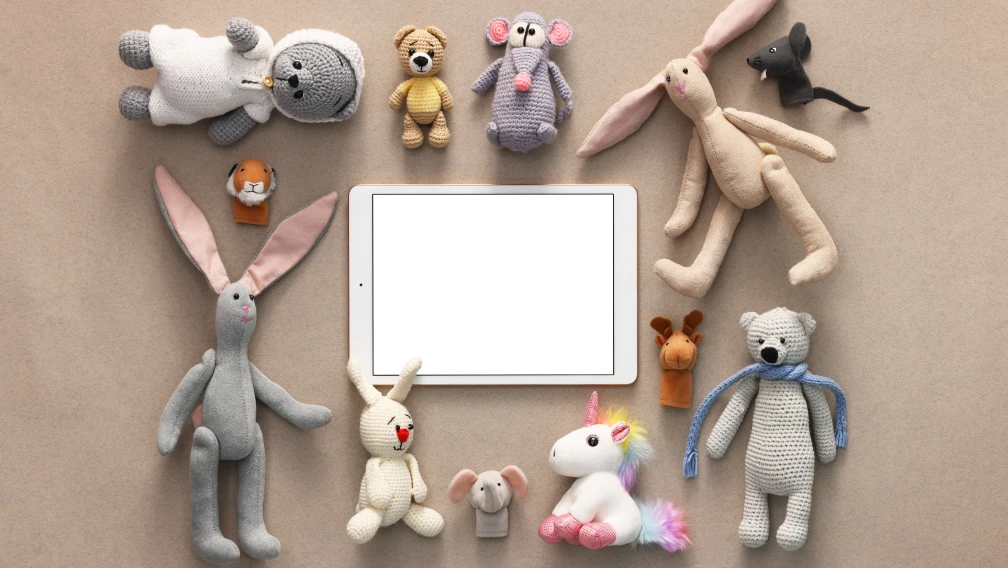
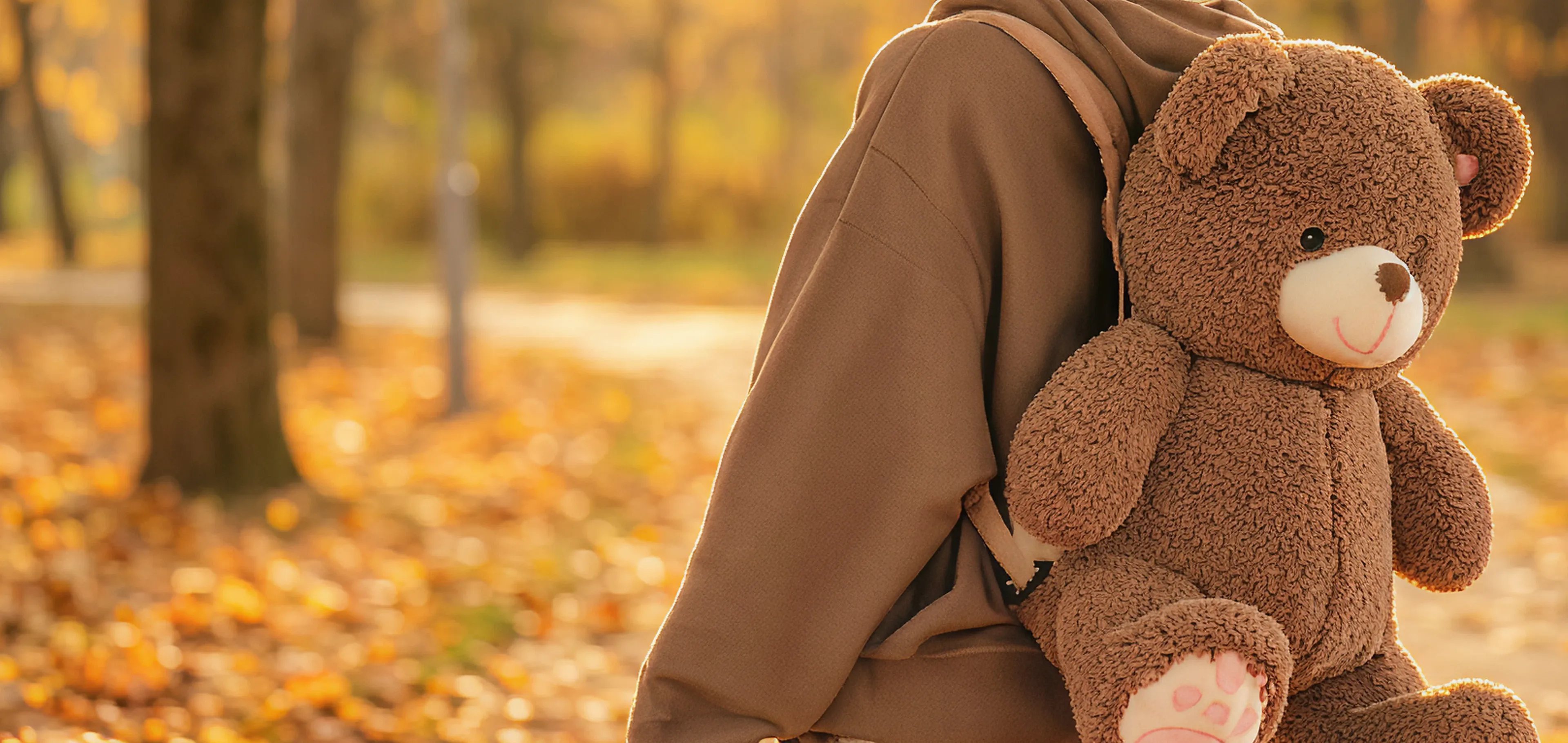
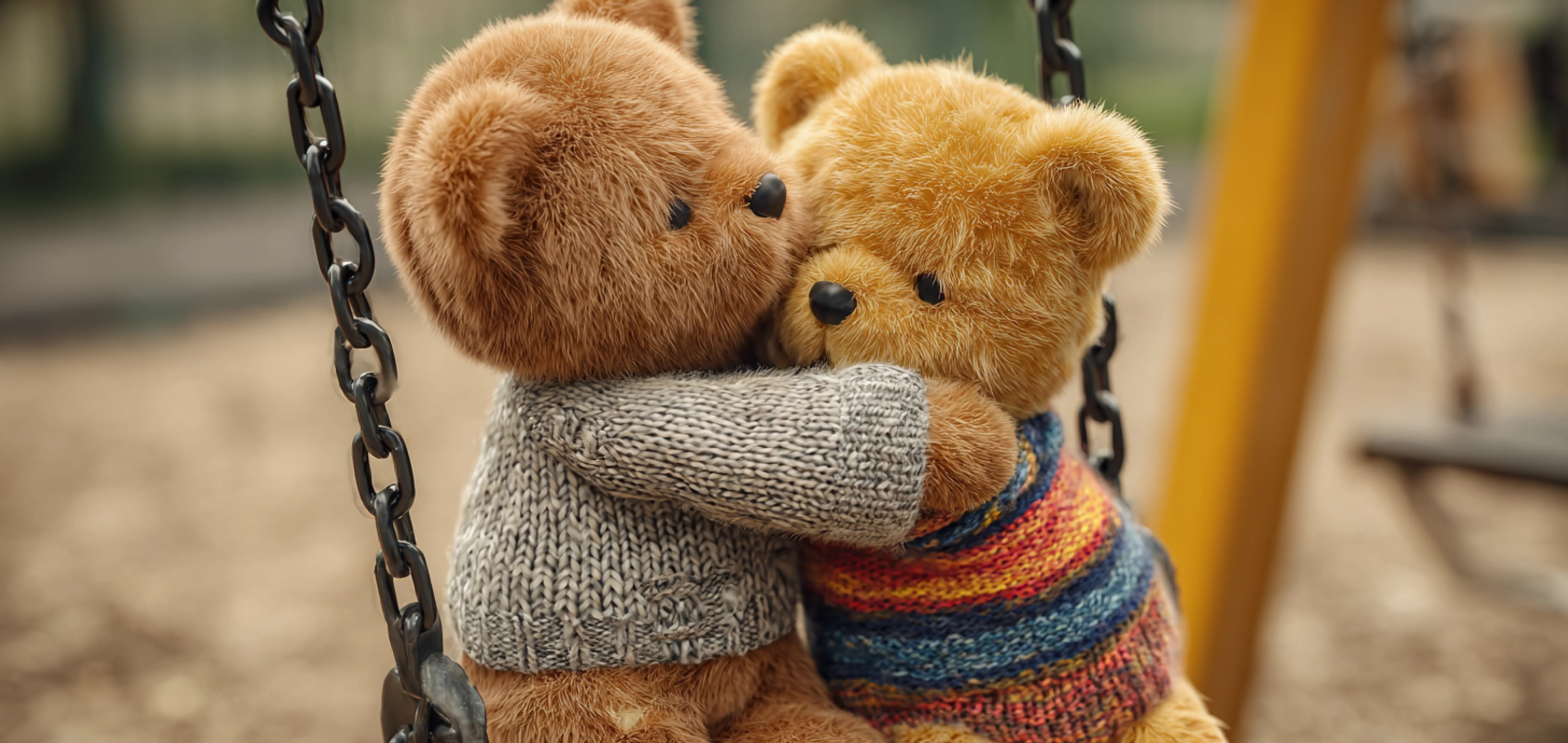
A teddy bear carries an emotional weight most merchandise can't match. It's soft, it's huggable, and people attach to it, which turns a giveaway into something recipients display and photograph. That's passive brand exposure you don't pay for twice. The audience is also wider than it used to be, since adults now buy plush for themselves and for collections, so a bear works for a children's line and an adult fandom alike.
It shows up across a range of programs:
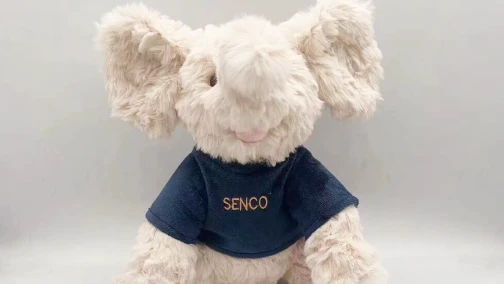
- Promotional and corporate gifts: logo bears for trade shows, client gifts, and staff milestones, often dressed in a branded shirt or ribbon.
- Retail and e-commerce: a bear line sold under your own label, from small charms to hero display pieces.
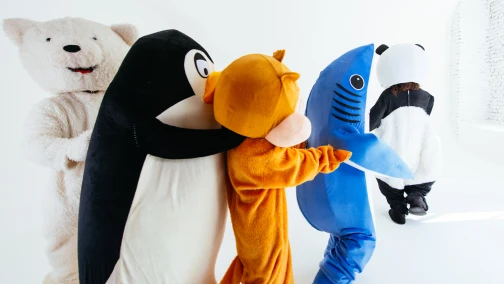
- Events and campaigns: Valentine's Day, holidays, product launches, and store openings, where a giant bear pulls a crowd.
- Milestones: graduation bears, hospital and new-baby gifts, and blood-drive incentives.
- Institutions: university, sports club, and museum mascot bears for merchandise and community.
In each case the bear does more than sit there. It gives someone a reason to keep your brand in sight, which is why the category stays profitable for teams selling promotional plush and branded merchandise.
Teddy Bear Fabrics: What the Bear Is Made Of
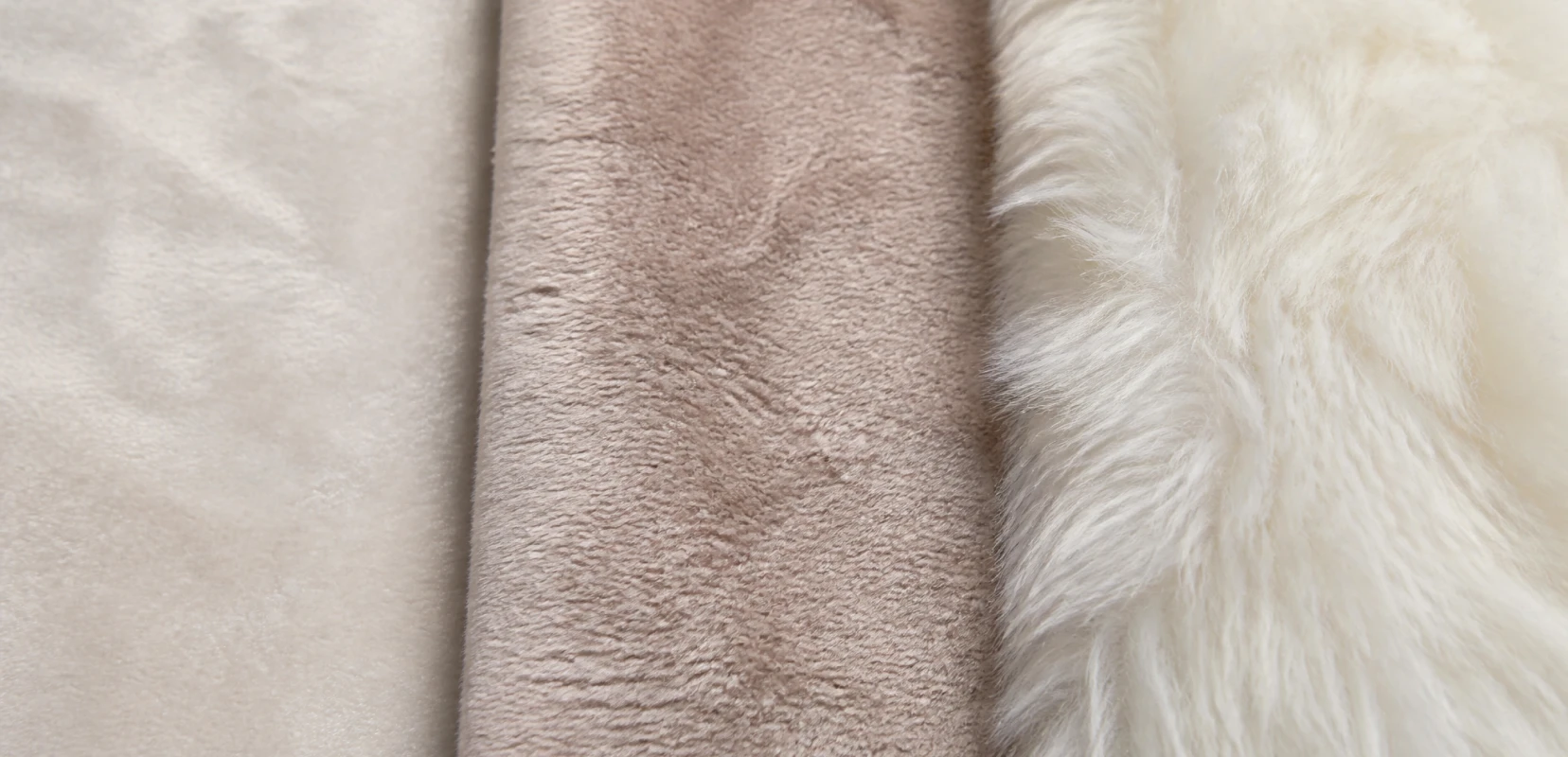
The outer fabric decides how the bear looks, how soft it feels, and how sharp your embroidery and logo come out. These are the fabrics we use most for commercial teddy bears, and where each one fits.
| Fabric | Feel and look | Best for |
|---|---|---|
| Short plush (velboa) | Smooth, low pile, firm surface | Crisp embroidery, logo bears, tight facial detail |
| Minky | Very soft, slight stretch, premium hand | Retail bears where softness sells, baby-safe lines |
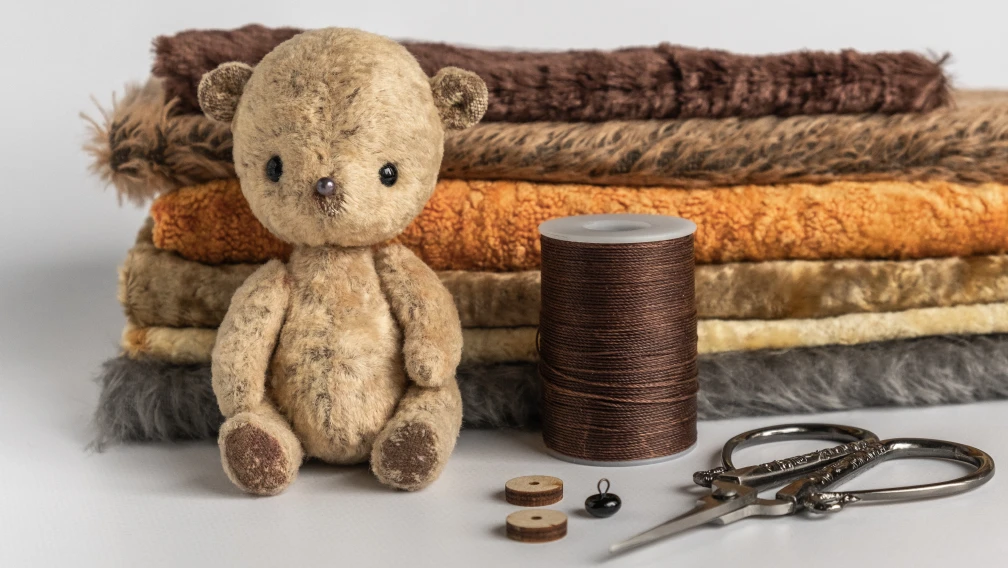
| Long-pile faux fur | Fluffy, textured, fur-like | Classic fuzzy bears, large display pieces |
| Fleece | Soft, light, budget-friendly | Simple shapes, low-cost promo runs |
| Mohair / alpaca | Natural, dense, luxurious | Collectible or high-end bears (higher cost, small runs) |
| Cotton / velour | Natural, breathable | Eco lines, infant products |
Which fabric should you choose? For most branded and retail bears, short plush or minky covers it. Short plush holds embroidered eyes and logos cleanly, and minky gives the soft, premium feel that sells a retail bear. Keep long-pile faux fur for a fuzzy classic look or a large display piece, and treat mohair or alpaca as a premium option for small, high-end runs, since both cost far more than synthetic plush. Fabric weight (GSM) and pile length also move the price, so we match the fabric to the design and the target price during sampling. Our fabric and stuffing guide goes deeper, and the full range sits on the materials page.
Stuffing and the Inside of the Bear
Stuffing sets the bear's weight, firmness, and how well it holds shape on a shelf. The common options:
- PP cotton (polyester fiberfill): the standard fill, soft, light, springy, non-allergenic, and washable. It holds shape and suits most bears.
- High-density fill: more fiber packed in for a firmer bear that stays upright and doesn't sag after weeks of display.
- Recycled PET: fiberfill spun from recycled bottles, for an eco line with the same feel as standard PP cotton.
- Weighted pellets or glass beads: added to the base or paws for a grounded, premium feel and better stability. This is how a weighted bear gets its heft.
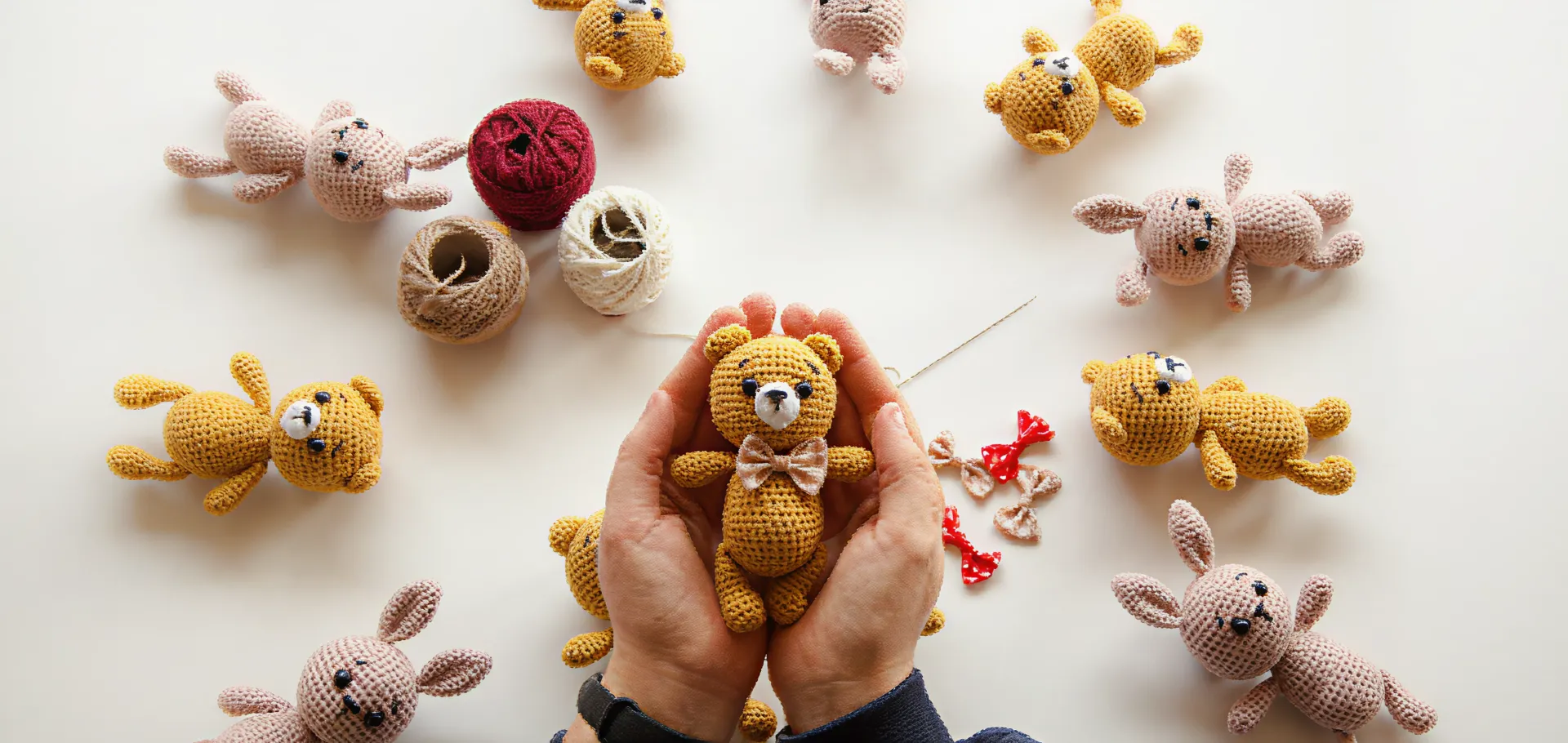
Two build details matter for larger or posed bears. A denser fill keeps the limbs and head from drooping, and for big bears we reinforce seams so the shape survives shipping and handling. Small collectible bears can also use disc joints so the arms and legs move, though most commercial bears skip joints to keep cost down.
Teddy Bear Sizes
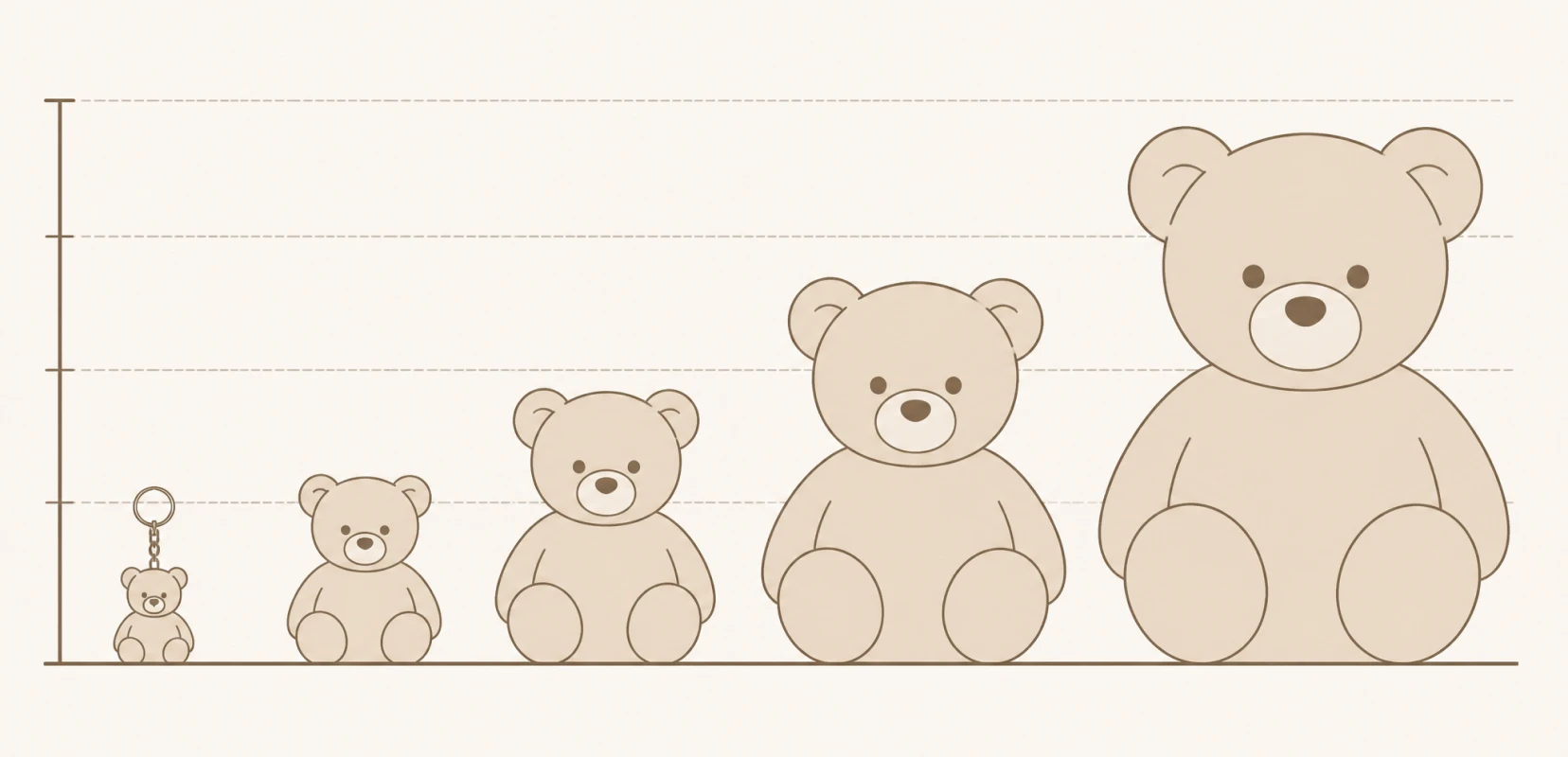
Size changes the whole product: cost, perceived value, shipping, and what customization fits. Teddy bear sizes get vague fast because a number like "12 inch" can mean standing height or sitting height, so we always spec both and state whether the ears count. Here's a working size chart for custom bears.
| Category | Height | Best for |
|---|---|---|
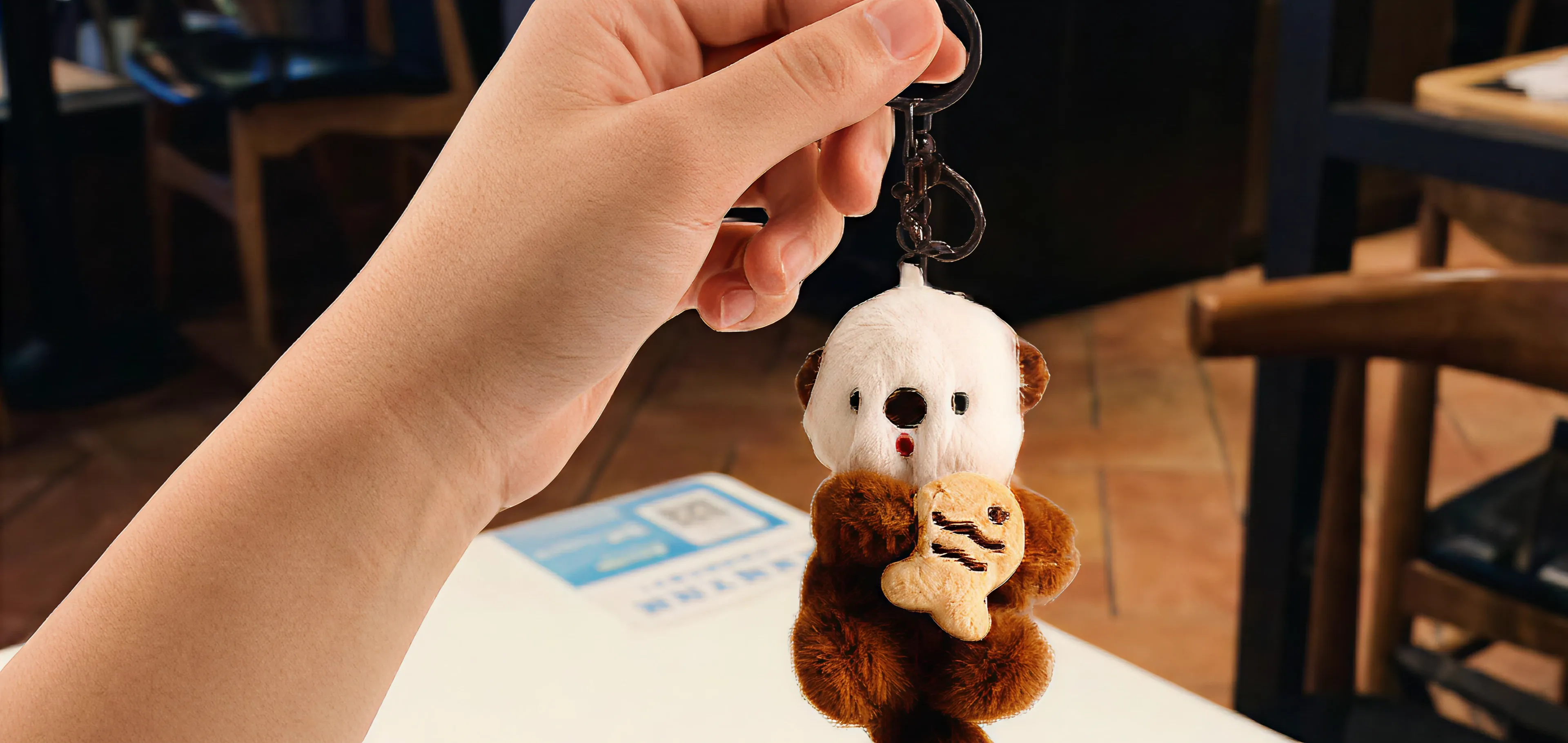
| Keychain / charm | 8-12 cm (3-5 in) | Bag charms, capsule and blind-box items, giveaways |
| Mini / small | 15-20 cm (6-8 in) | Promo bears and desk gifts, the B2B best-seller for cost and shipping |
| Standard | 25-35 cm (10-14 in) | Retail gift bears with room for clothing and detailed faces |
| Large | 40-60 cm (16-24 in) | Premium gifts and hero retail pieces |
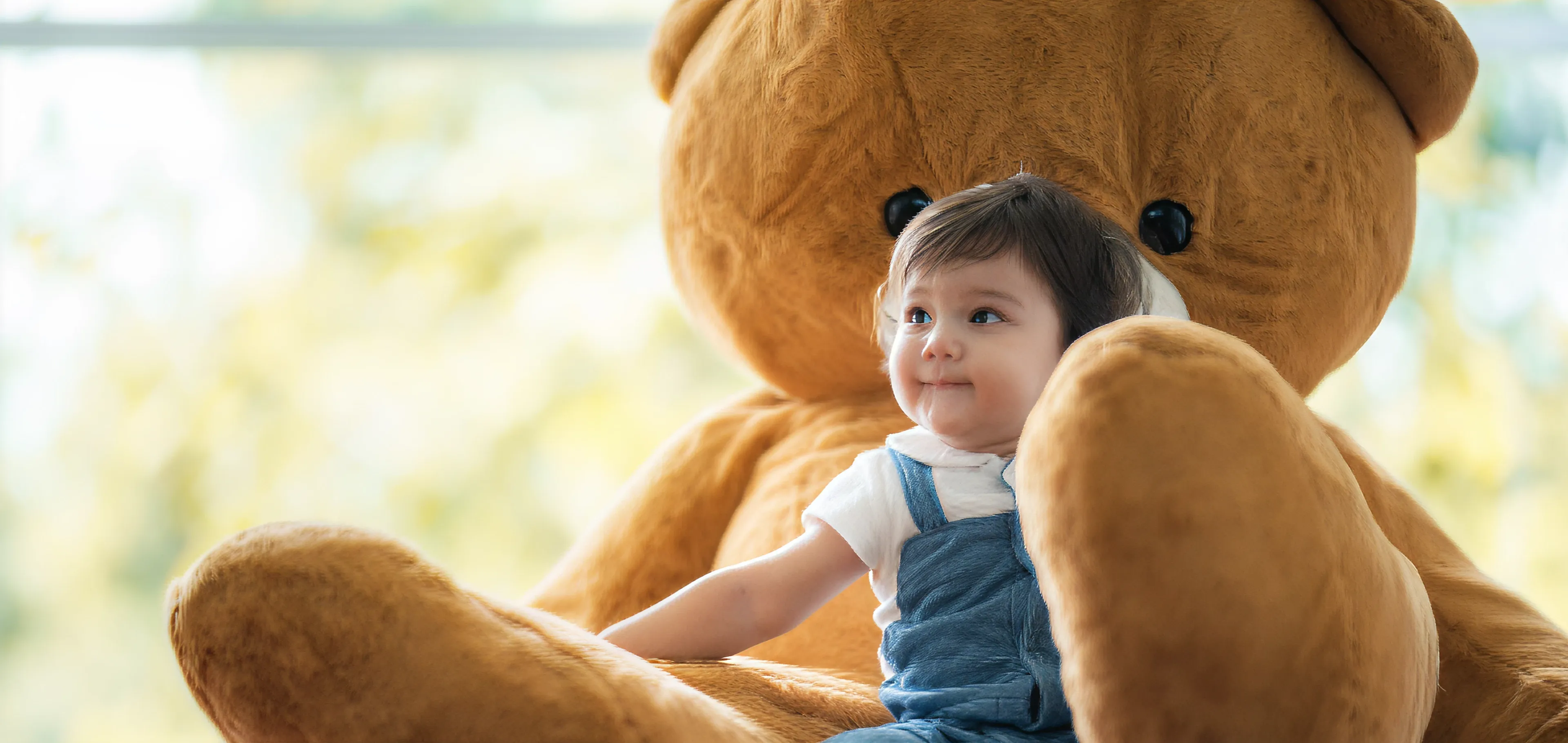
| Giant / jumbo | 80 cm-3 m (32 in and up) | Event displays, store windows, statement gifts |
What size sells best for business orders? For promotional and corporate work, 15-20 cm (6-8 in) seated bears are the usual pick. They're cheap to ship, easy to display on a desk, and still feel like a real gift. Retail gift bears cluster around 25-35 cm because there's room for facial detail, a shirt, or a bow. Giant bears from 80 cm up are display and event pieces; they use far more fabric and fill, and freight volume rather than weight becomes the main cost, so plan packing early.
Two size rules protect the design. Very small bears don't leave room for detailed embroidery or clothing, so keep tiny bears simple. And for anything under about 10 cm, look at our mini plush and plush keychain options, while true statement pieces belong in the giant plush range.
Customization Options
This is where a stock bear becomes yours. The choices split into four areas.
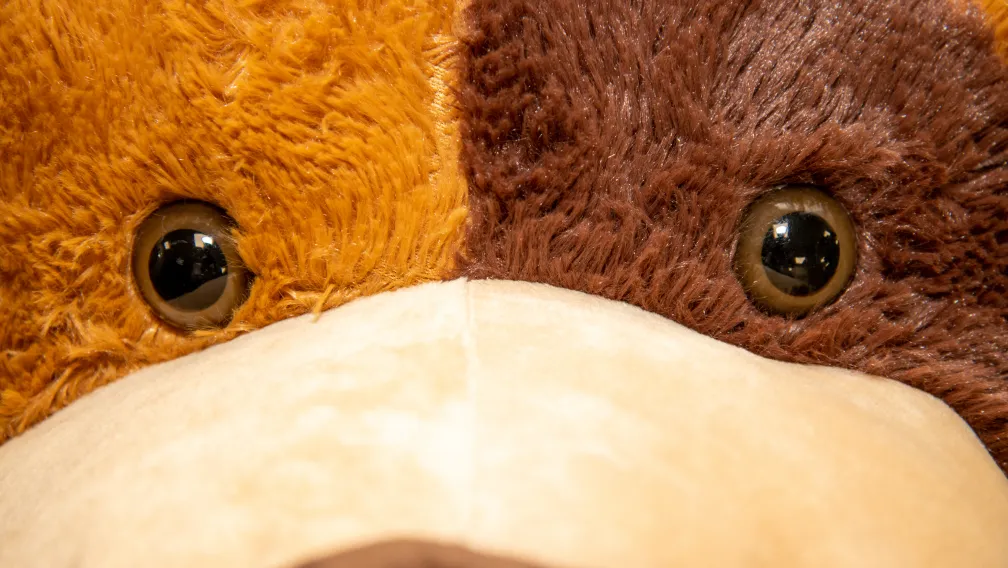
Face and eyes. You can use plastic safety eyes for a classic bright look, or embroidered eyes and nose for a softer face. Embroidered features are the safest choice for babies and toddlers because there are no attached hard parts to work loose, so any bear aimed at young children should use them.
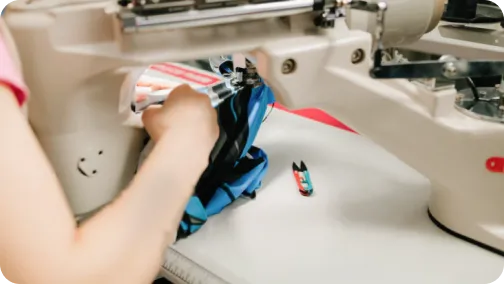
Branding. Your logo or name can go on the bear by embroidery (cleanest on short plush), woven or printed labels, appliqué, or a printed T-shirt or accessory. Match the method to the fabric and the detail in the logo, since fine text reads better printed on a shirt than embroidered onto long pile.
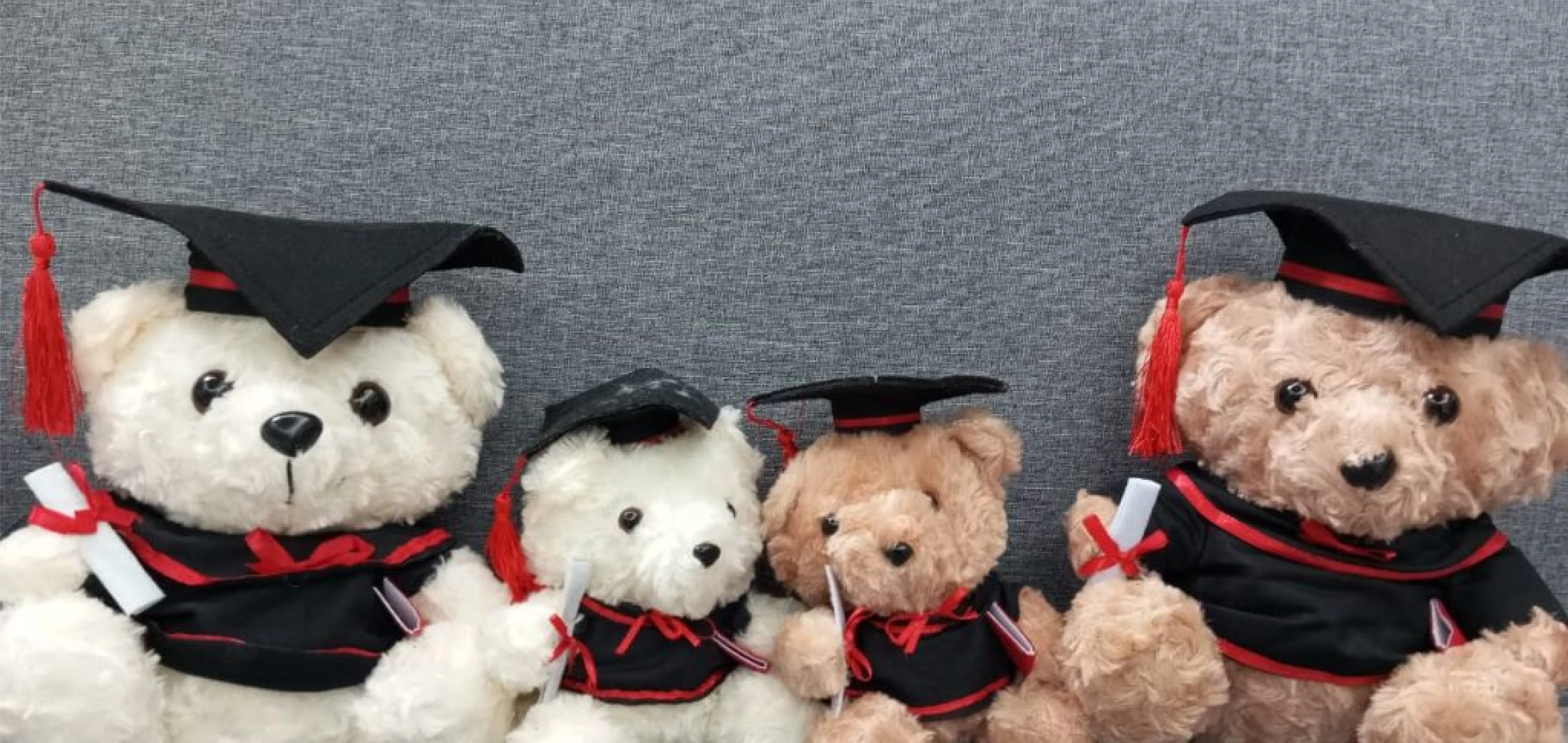
Clothing and accessories. Common add-ons: T-shirts, hoodies, sweaters, scarves, bandanas, ribbons, and graduation caps and gowns. A graduation bear in a cap and gown is a strong seasonal seller for schools and campus stores. Sound modules and a growler voice box are options too, though a growler needs a bear of about 30 cm (12 in) or larger to fit.
Packaging. Packaging carries the brand as much as the bear. Options run from a printed hang tag with the character's name, to a sewn-in tush tag that holds both branding and the required safety information, to a gift or window box for shelf presence. These get decided with the bear, early in the project.
| Area | Options | Note |
|---|---|---|
| Eyes and features | Plastic safety eyes, embroidered eyes and nose | Use embroidered features for babies and toddlers |
| Branding | Embroidery, woven or printed label, appliqué, printed shirt | Match method to fabric and logo detail |
| Clothing | T-shirt, hoodie, scarf, bandana, ribbon, cap and gown | Needs a 25 cm+ bear for clean detail |
| Sound | Sound module, growler box | Growler needs 30 cm (12 in) or larger |
| Packaging | Hang tag, tush tag, gift or window box | Tush tag also carries safety information |
Custom, OEM, and Bulk Orders
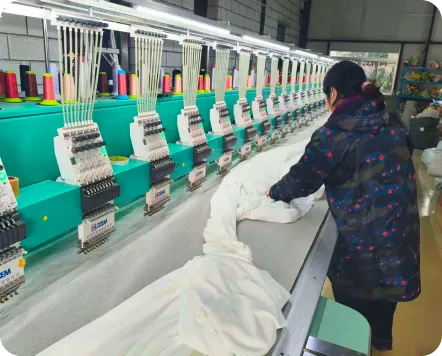
Most teddy bear projects run as OEM or ODM. With OEM, you supply your own design and we make that bear only for you, which is the right path for a brand protecting its own look. With ODM, you adapt one of our existing patterns, which is faster and cheaper but less exclusive. Either way, a proper custom made teddy bear goes through the same core steps: brief, pattern and control artwork, sample, your approval, bulk production, QC, and packing. The approved physical sample becomes the standard every unit is checked against.
What are the MOQ, cost, and lead time for custom teddy bears in bulk? For fully custom bears we usually work from 300-500 pieces per design, with lower minimums on small items like keychains and small trial runs available to test a design. As a rough guide, a 20-30 cm bear in standard fabric with embroidered features runs about $2-8 per piece at bulk quantities, driven by size, fabric, number of pieces, embroidery colors, and accessories. Plan on roughly 7-10 days for a sample after the spec is set, then about 25-35 days for bulk production after you approve it. Simplifying a design is the most direct way to lower the per-unit price.
A practical tip: ask for a quote at the exact quantity you plan to fund, since a factory's standard run may be larger than you need. Many brands validate a new bear with a small first order, then reorder once it sells, which keeps the risk low on an unproven design. More detail sits in our cost breakdown and manufacturing process guides.
Safety and Compliance
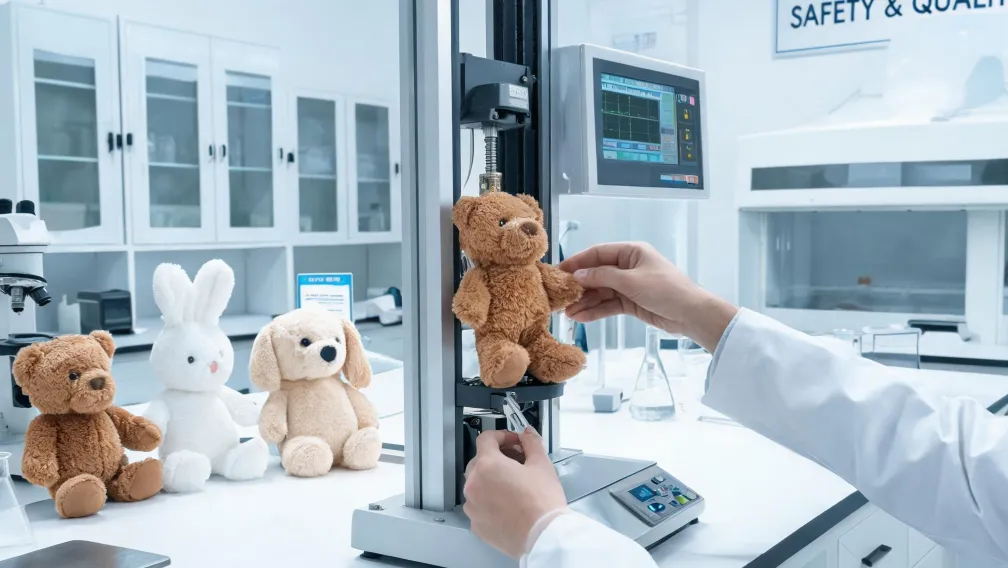
A teddy bear headed for retail has to pass the safety standard for its market before it can sell. Which one depends on where it ships: ASTM F963 and CPSIA for the United States, EN 71 for the EU, AS/NZS 8124 for Australia and New Zealand, GB 6675 for China, and Japan's ST standard. The exact tests depend on the target market, the age grade, and the materials, with small parts, stuffing, labels, and packaging all checked.
Two rules keep this clean. Test every new design at an accredited lab such as SGS, Bureau Veritas, or Intertek rather than reusing an old report, because a report has to match the actual toy. And design safety in from the start: embroidered features instead of glue-on parts for young ages, securely attached components, and a sewn-in tracking label. Our safety and compliance overview and our plush safety standards guide break this down by market.
Start Your Custom Teddy Bear
Send us your idea, whether it's a finished design, a reference photo, or a rough sketch, and we'll tell you what fabric, size, and customization make it work for your market and budget. As a factory-direct custom plush manufacturer, we keep design, sampling, and production under one roof, so your custom teddy bears come back matching the sample you approved, on a schedule you can plan around. Tell us about your project and we'll map the materials, sizes, and minimums for your bear program.
FAQ
Most commercial custom teddy bears use short plush or minky. Short plush has a low, smooth pile that keeps embroidered eyes and logos sharp, while minky is softer and gives a premium retail feel. Long-pile faux fur creates the classic fuzzy look, fleece is a budget option, and mohair or alpaca are premium natural fabrics used for small, high-end runs. The fill is usually PP cotton (polyester fiberfill), with recycled PET available for eco lines.
For retail gifts, 25-35 cm (10-14 in) is the sweet spot, because there's room for facial detail, clothing, and branding while the bear still ships easily. For promotional and corporate orders, 15-20 cm (6-8 in) seated bears are the top choice since they're cheap to ship and display well on a desk. Around 38 cm (15 in) is often cited as the classic gift size, and giant bears of 80 cm and up are used mainly for displays and events.
Fully custom teddy bears are usually most cost-effective from around 300-500 pieces per design. Small items like keychain bears can start lower, and small trial runs are sometimes available to test a design before a large order. Larger quantities lower the per-unit price because the pattern and setup costs spread over more units.
Custom pricing depends on size, fabric, number of fabric pieces, embroidery colors, accessories, and order quantity. As a rough reference, a 20-30 cm bear in standard fabric with embroidered features typically runs $2-8 per piece at bulk quantities. Larger bears, long-pile fabric, clothing, and sound modules push the price up. We give an itemized quote after reviewing your design and target volume.
Yes, when they're built and tested for it. For babies and toddlers, use embroidered eyes and nose instead of plastic safety eyes so there are no hard attached parts, keep all components securely sewn, and test the finished bear to the standard for your market (ASTM F963 and CPSIA in the US, EN 71 in the EU). Testing should be done per design at an accredited lab, with a sewn-in tracking label for traceability.
Yes. A finished vector design or tech pack gives the fastest, most accurate first sample, but a reference photo or a rough sketch is a valid starting point too. Our design team develops the artwork to production standard and confirms the direction with you before sampling. Both OEM (your finished design) and ODM (adapting an existing pattern) are supported.