Custom Plush Pillows: A B2B Manufacturing and Sourcing Guide
Custom plush pillows sit at the intersection of soft toys and home textiles. For brands, IP owners, and promotional buyers, they carry higher perceived value than standard flat cushions while using the same pattern-making and sewing infrastructure as plush toys. This dual identity shapes every sourcing decision, from fabric selection and fill specification to safety testing and packaging.
This guide covers the production-side details that determine whether a custom plush pillow program runs smoothly: shell and fill material selection, shape engineering, decoration methods, functional variants, compliance requirements, cost structure, and logistics. It is written for procurement teams and brand managers preparing a first order or evaluating a new supplier.
What Qualifies as a Custom Plush Pillow in B2B Sourcing
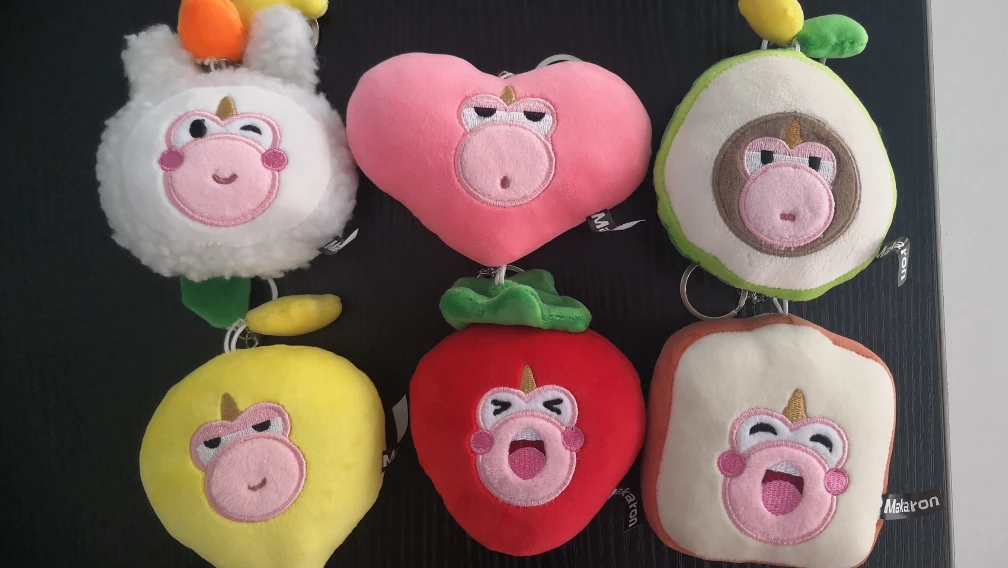
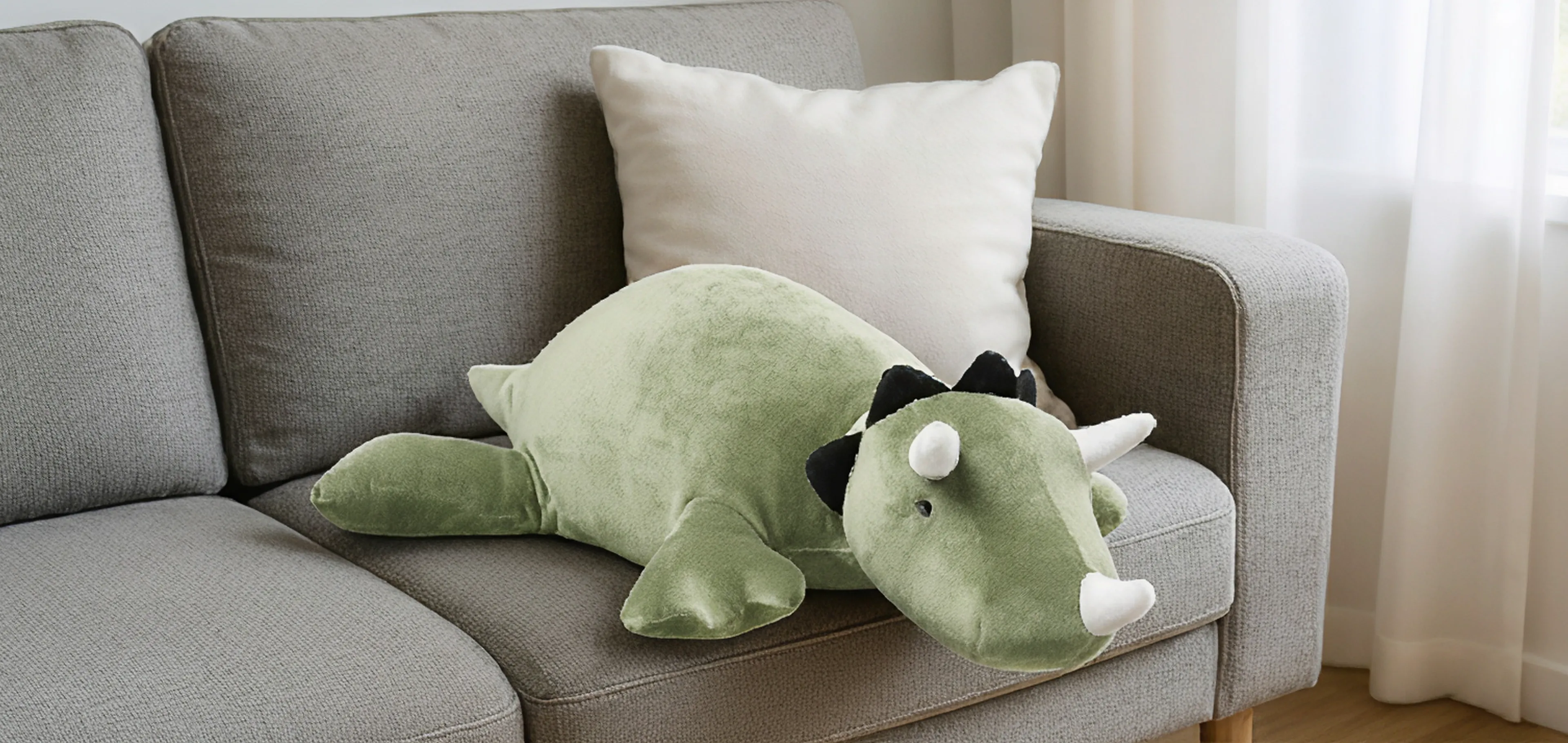
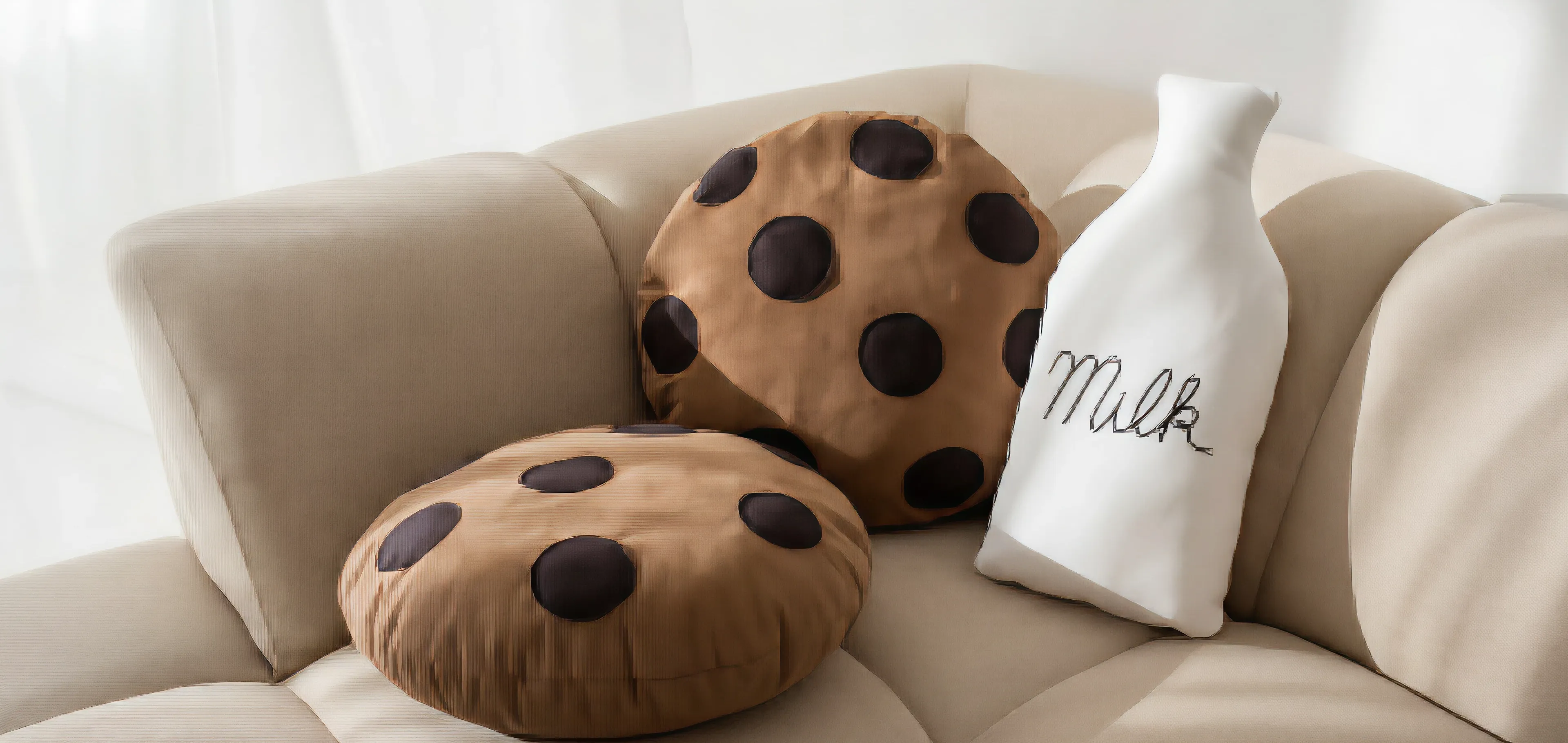
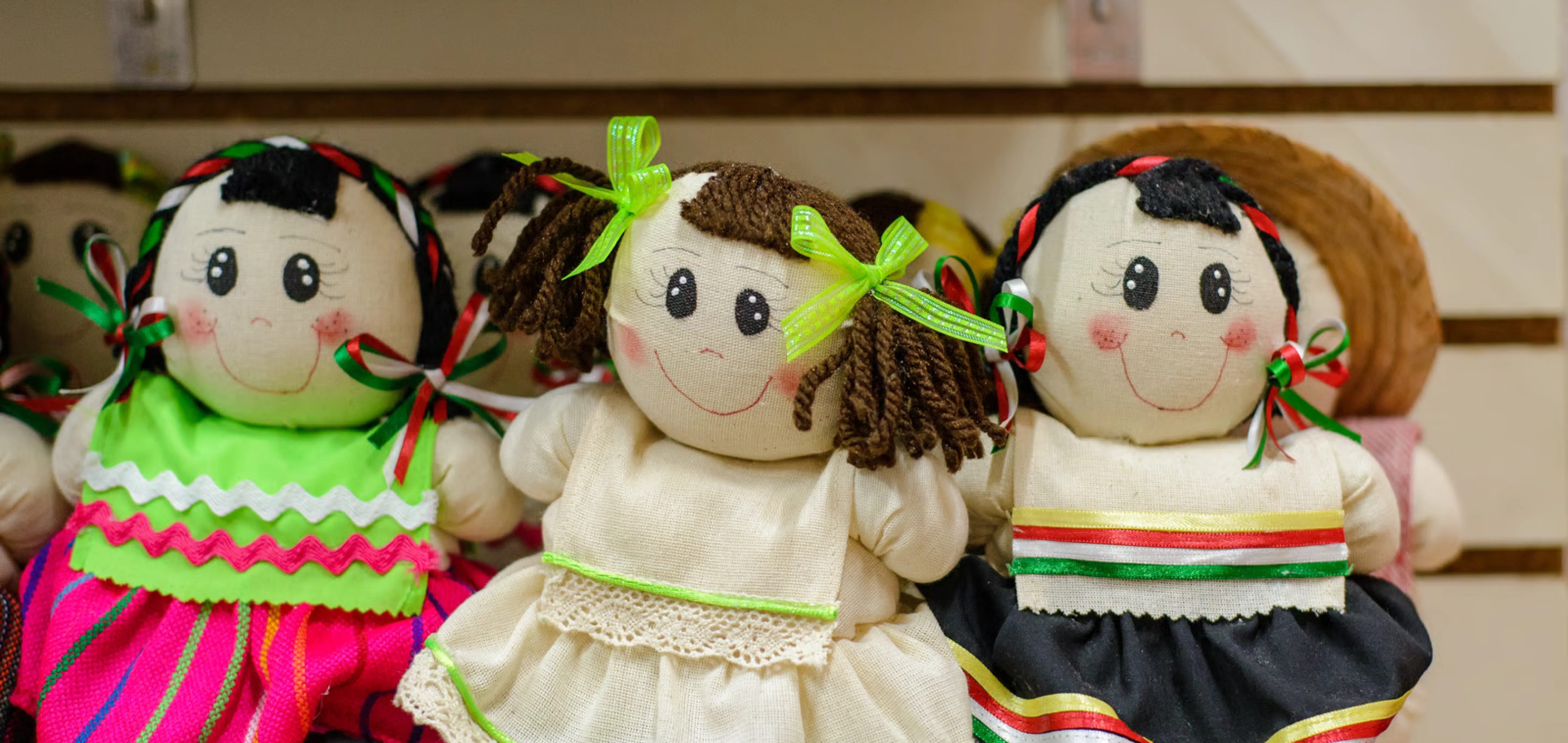
In factory terms, a plush pillow is any soft-filled product where the cushion function takes priority over the toy function. The category includes standard square and round cushions with plush shells, die-cut shaped pillows that follow a character outline, 3D character heads built from multi-panel patterns, and convertible items such as pillow-blanket combinations. The production process is shared with plush dolls: pattern drafting, cutting, embroidery or printing, sewing, stuffing, hand finishing, and inspection.
The distinction matters at the compliance stage. A plush pillow marketed as a children's product falls under ASTM F963 and EN 71. The same physical item marketed as adult home décor follows textile labeling and, in certain markets, flammability rules instead. Confirming the sales channel and age grading before sampling prevents re-testing costs later in the program.
Shell Fabric and Fill Material Selection
What materials are used for custom plush pillows?
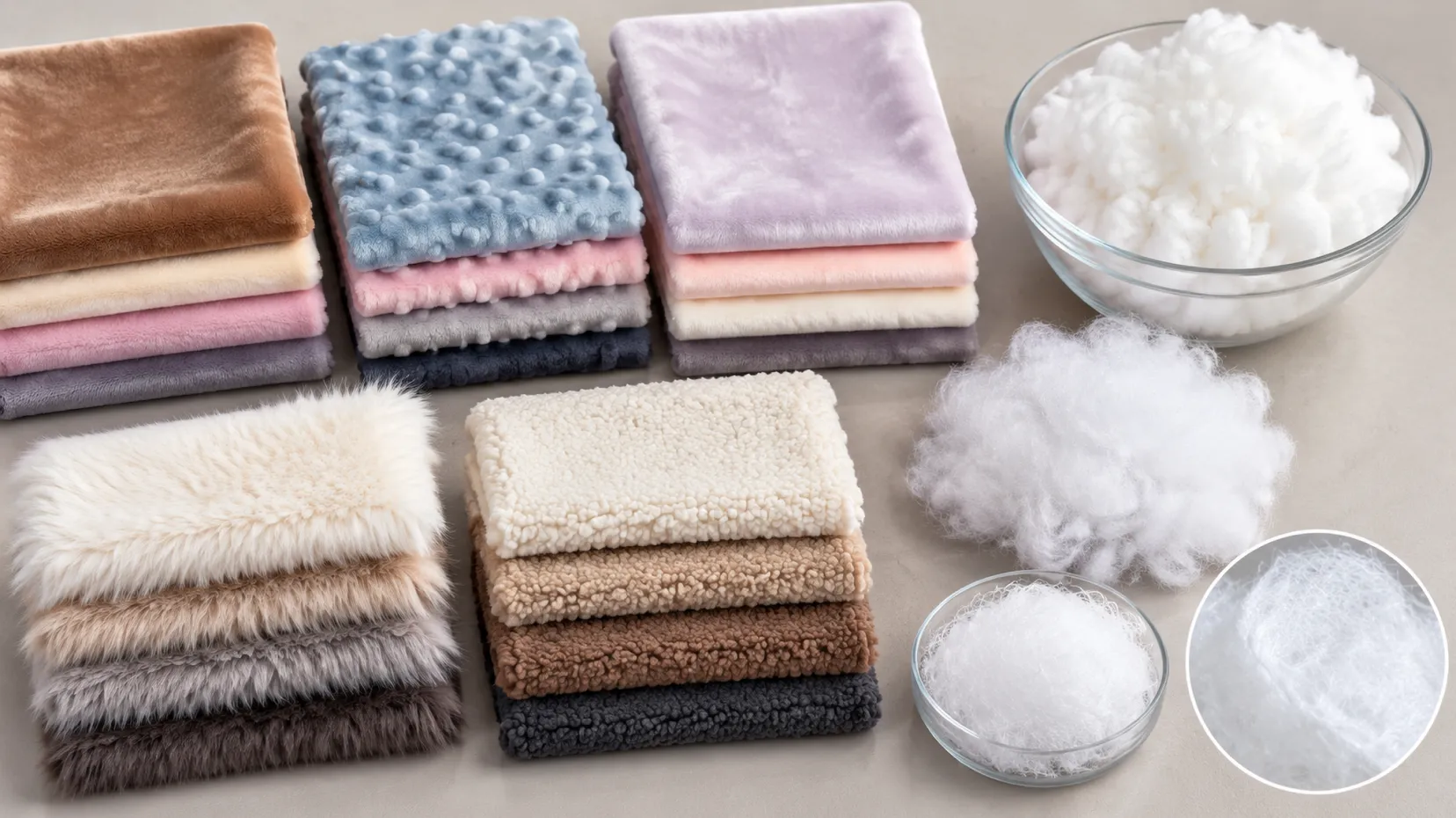
Most custom plush pillows use a knitted polyester shell, such as Velboa, minky, or crystal super soft, in the 180 to 320 GSM range, filled with hollow siliconized PP cotton. Premium programs use faux rabbit fur or sherpa shells, down-alternative microfiber fill, or blended fills that combine PP cotton with shredded foam for a heavier, more structured feel.
Shell fabric determines appearance, hand feel, and which decoration methods are viable. Sublimation printing requires a smooth low-pile surface; long-pile fabrics distort fine embroidery detail. Fill selection sets the weight, loft recovery, and price floor of the product. Hollow siliconized PP cotton remains the default because it is washable, hypoallergenic, and recovers loft after compression packing. Microfiber fill gives a softer, down-like squeeze and suits higher retail price points. For weighted pillow variants, glass microbeads require inner containment pouches, which raises labor time and testing scope, as covered in our weighted plush program.
| Shell fabric | Pile | Typical GSM | Best suited for |
|---|---|---|---|
| Velboa | Short | 180–220 | Shaped pillows, embroidery, value programs |
| Crystal super soft | Short | 200–260 | Full-color sublimation printing |
| Minky | Medium | 220–300 | Premium retail pillows |
| Faux rabbit fur | Long | 400–600 | Décor-led designs |
| Sherpa / teddy fleece | Curly | 300–450 | Seasonal and lifestyle collections |
Shape Engineering and Pattern Development
Three construction families cover most programs. Knife-edge pillows use two shell panels sewn around the perimeter; this is the fastest construction and suits square, round, and simple die-cut outlines. Gusseted pillows add a side wall between the face and back panels, creating boxy volume for floor cushions and structured character heads. Sculpted 3D forms rely on multi-panel patterns drafted from 2D artwork, using the same process as our custom plush dolls line.
Pattern engineers control final dimensions through seam allowance, panel curvature, and stuffing density rather than cut size alone. A pillow specified at 40 by 40 cm will measure roughly 2 to 3 cm smaller after stuffing if the pattern is not compensated. Buyers should confirm whether quoted dimensions refer to the flat shell or the stuffed product, and lock the stuffing weight per unit in the specification sheet.
Decoration and Branding Methods
What is the best way to add a logo to a plush pillow?
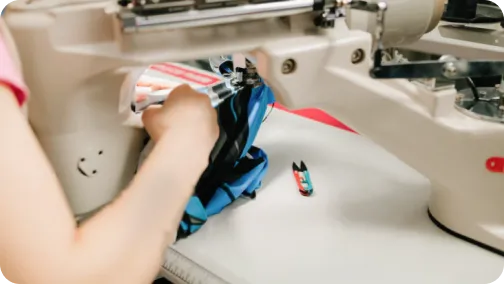
Embroidery is the default method for logos and facial details because it survives washing and holds color accuracy on pile fabric. Full-color artwork and photographic designs require sublimation printing on a smooth low-pile shell. Woven or satin labels carry brand identity at the lowest unit cost.
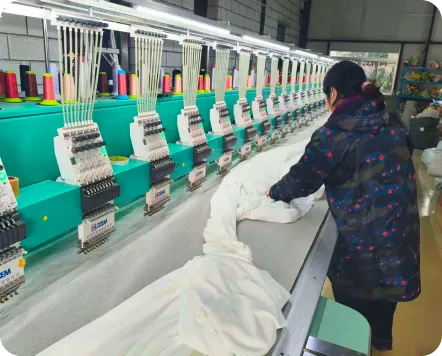
Decoration decisions must be locked before sampling. Embroidery is completed on flat panels before assembly, so hoop size limits the maximum logo dimension. Print direction and pile direction must match across all panels, or the finished pillow shows visible shading differences. Appliqué adds layered fabric detail for character designs but increases cutting and sewing time. Artwork preparation requirements are detailed in our guide to preparing artwork for plush production.
Functional Variants and Product Extensions
Standard pillow constructions extend into several functional variants, each with specific pattern and hardware implications:
- Convertible pillow blankets: a plush pillow with a zipped fleece blanket folded inside, common in airline, travel retail, and corporate gift programs
- Travel neck pillows: plush shell over a shaped foam or microbead core, requiring precise inner core patterns
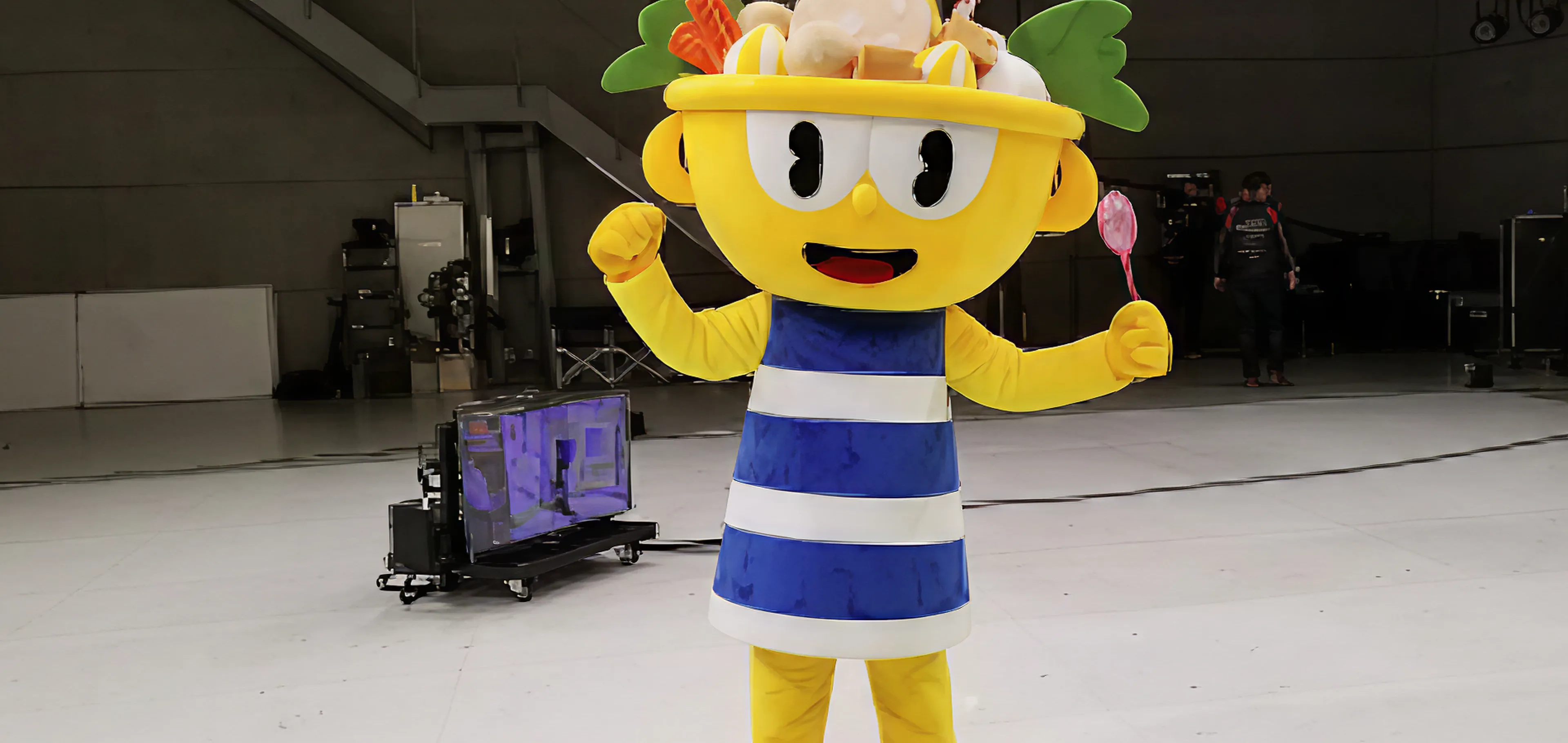
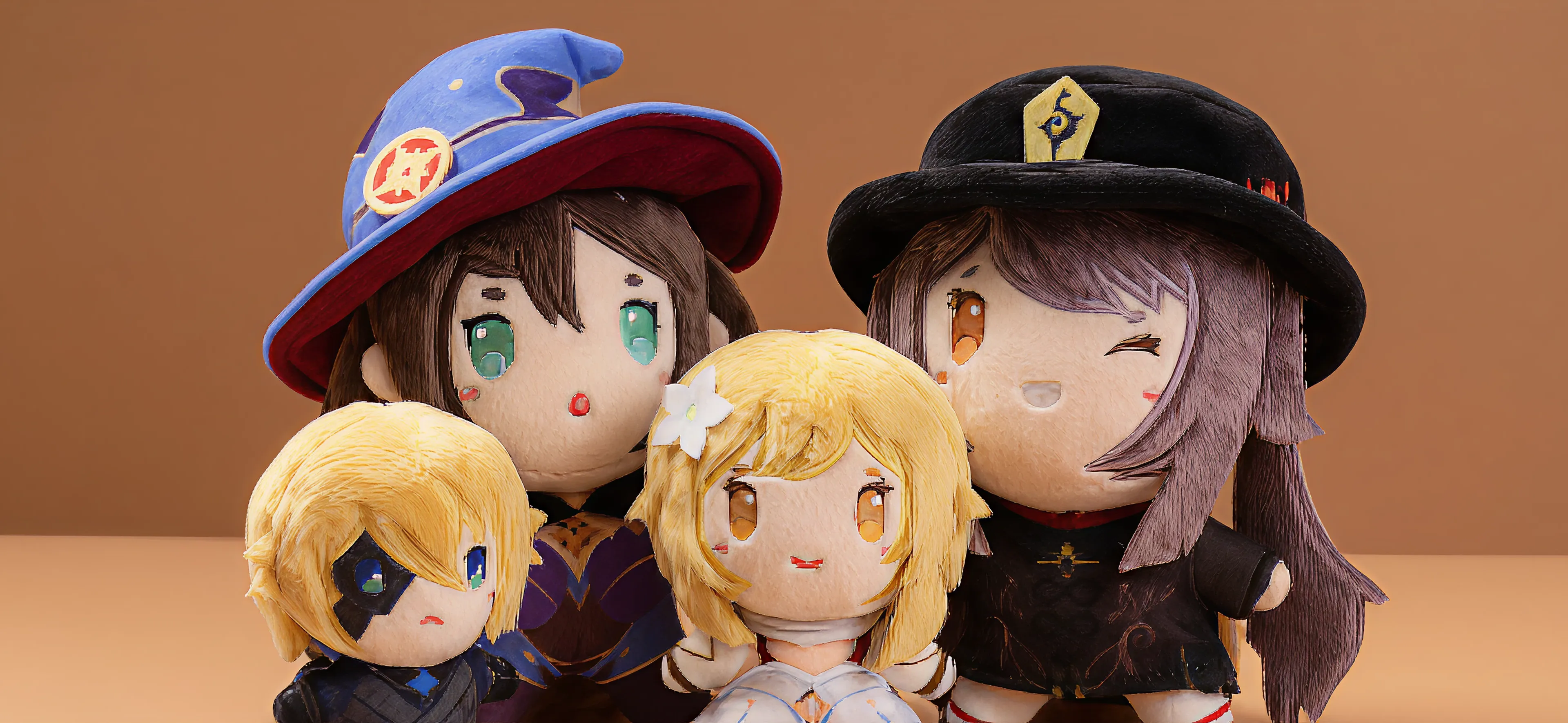
- 3D character head pillows: sculpted forms for IP licensing and mascot merchandise programs
- Photo print pillows: sublimation-printed shells for e-commerce personalization models
- Weighted comfort pillows: glass microbead pouches in a gusseted shell for the wellness category
Each variant changes the zipper specification, panel count, and testing scope. Flag the intended variant at the inquiry stage so the sampling quote reflects the correct construction.
Safety and Compliance for Plush Pillows
Compliance routing follows how the product is marketed. Sold as a toy or with clear child appeal, the pillow must meet ASTM F963 and CPSIA requirements for the US market and EN 71 for the EU, covering seam strength, small parts, flammability, and chemical limits. Sold strictly as adult home décor, the toy standards fall away, though textile labeling rules still apply and the UK market applies furniture flammability expectations to filled cushions. Major retailers frequently require toy-standard testing regardless of positioning, because their compliance teams classify any plush item as child-appeal by default.
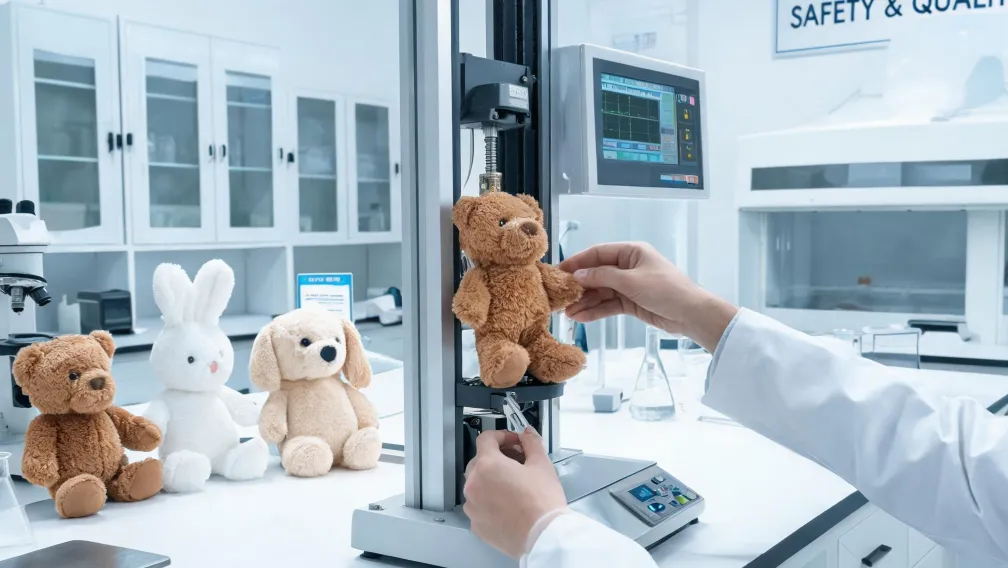
All fill materials should carry OEKO-TEX or equivalent documentation. Every production run should include seam pull tests and, for products with zippers or appliqué, attachment strength tests recorded against the approved sample. Our testing protocols are listed on the safety and compliance page.
Sampling, MOQ, and Production Timeline
How long does it take to produce custom plush pillows?
Sampling takes 7 to 12 days depending on shape complexity and decoration methods. Bulk production runs 30 to 45 days after sample approval for orders between 500 and 5,000 pieces. Minimum order quantities for custom programs typically start at 500 pieces per design, with lower thresholds for repeat orders using existing patterns.
| Stage | Typical duration |
|---|---|
| Design review and material confirmation | 2–3 days |
| Sampling | 7–12 days |
| Sample revision (if required) | 5–7 days per round |
| Bulk production | 30–45 days |
| Inspection and packing | 3–5 days |
Shorter schedules are achievable when shell fabrics are already in stock. Sea freight to the US or Europe adds 25 to 40 days on top of production time, so total project timelines for Q4 retail programs should be counted backward from the ship date.
Cost Structure of a Custom Plush Pillow Order
Unit cost is driven by five variables: shell fabric grade, fill weight and type, finished size, decoration complexity, and order volume. As a reference band, a 40 cm sublimation-printed pillow with a crystal super soft shell and PP cotton fill lands between $3.20 and $4.80 FOB at 1,000 pieces. The same size with sculpted 3D panels, embroidery, and microfiber fill ranges from $5.50 to $8.00. Tooling costs are limited to embroidery digitizing and print setup, both typically under $100.
Fabric accounts for roughly 35 to 45 percent of unit cost, and labor scales with panel count and hand-finishing time. Meaningful price breaks occur at 1,000, 3,000, and 10,000 pieces. Vacuum packing does not change unit cost but reduces freight spend significantly, which matters for volume-heavy items like pillows.
Packaging and Logistics
Plush pillows are volume-heavy freight. Vacuum compression packing reduces carton volume by 50 to 70 percent and is standard practice for container loading; hollow siliconized fill recovers its loft within 24 to 48 hours of opening. Confirm compression ratios before booking freight, because quoted carton dimensions before and after compression differ significantly.
Individual polybags require suffocation warning printing above the regulated opening size. Retail programs add hang tags, belly bands, or gift boxes; specify these before bulk production rather than at the packing stage, because packaging affects both the carton plan and the final unit price.
Starting Your Custom Plush Pillow Project
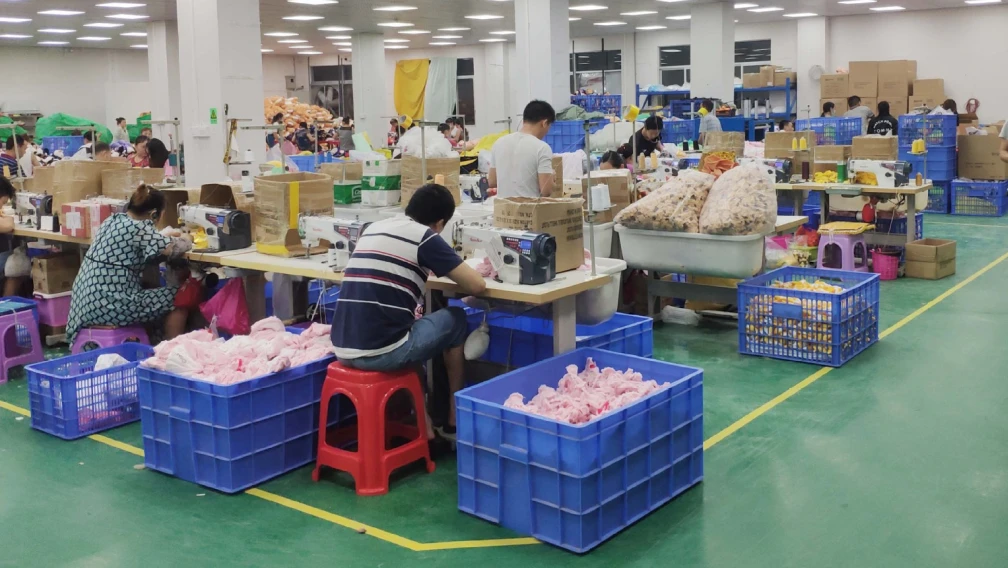
Maris produces custom plush pillows for brands, IP owners, retailers, and promotional buyers, with pattern making, embroidery, printing, and sewing handled in one facility. Send your artwork, target size, and estimated quantity through the contact page, and our team will return a manufacturability review, material recommendations, and a quotation within 48 hours. Completed project references are available in the custom plush pillows collection.
FAQ
Custom plush pillow programs start at 500 pieces per design. Repeat orders using an existing pattern and confirmed materials can run from 300 pieces. Stock-shape pillows with custom printing only can sometimes be arranged from 200 pieces.
Sampling takes 7 to 12 days depending on shape complexity. Bulk production runs 30 to 45 days after sample approval, plus 3 to 5 days for inspection and packing. Sea freight to the US or Europe adds a further 25 to 40 days.
Yes. Hollow siliconized PP cotton and microfiber fills recover their loft within 24 to 48 hours after the bag is opened. Vacuum packing cuts carton volume by 50 to 70 percent and is the standard method for sea freight shipments.
PP cotton is springy, washable, and cost-efficient; it holds loft well after compression packing. Microfiber is denser and softer to the squeeze, with a down-like feel. Microfiber costs roughly 30 to 50 percent more and suits premium retail price points.
If the pillow is marketed strictly as adult home décor, toy standards do not legally apply in the US or EU, though textile labeling rules still apply and UK flammability rules cover filled cushions. Most major retailers require toy-standard testing for any plush item regardless of positioning, so testing to ASTM F963 or EN 71 is the safer default.
Yes. Sublimation printing on a smooth low-pile shell such as crystal super soft reproduces full-color and photographic artwork accurately. Printing is done on flat panels before assembly, so the design must be mapped to the pattern pieces during sampling.
Yes. Die-cut and sculpted 3D shapes are drafted from your artwork by our pattern team. Complex 3D forms require more panels and hand finishing, which extends sampling time by 3 to 5 days and adds roughly $1 to $2 per unit at 1,000 pieces.