Custom Teddy Bears: A Complete Guide to Fabrics, Sizes, and Customization
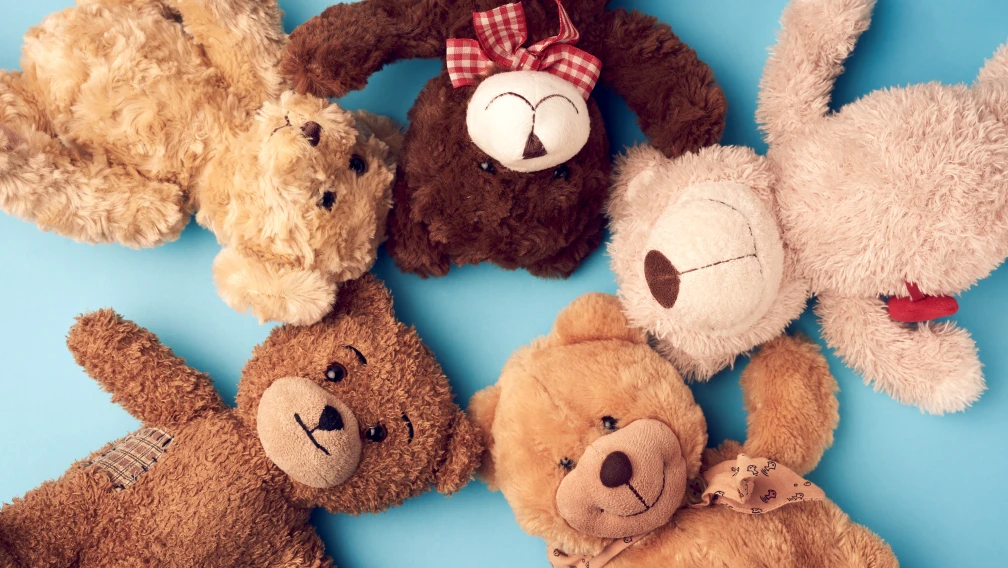
The teddy bear remains the most requested category in plush toy manufacturing. While the core shape is traditional, the manufacturing requirements for a custom teddy bear vary significantly based on its commercial purpose. A premium retail bear requires distinct fabric textures and highly accurate facial detailing, whereas a promotional bear prioritizes cost-effective logo application and strict Pantone brand color matching. This guide outlines the technical specifications, material choices, sizing logic, and production processes required to manufacture custom teddy bears at commercial scale, providing B2B buyers with the exact data needed to plan their procurement.
The B2B Manufacturing Process for Custom Teddy Bears
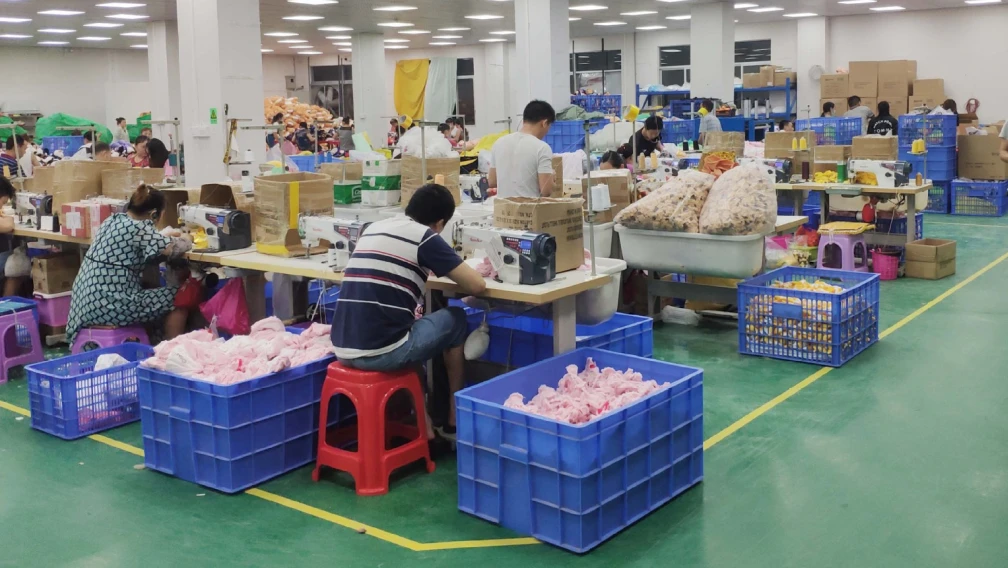
Manufacturing a custom teddy bear at a commercial scale requires strict process control to ensure that unit number 5,000 matches the approved sample perfectly. The production floor follows a linear, highly organized workflow.
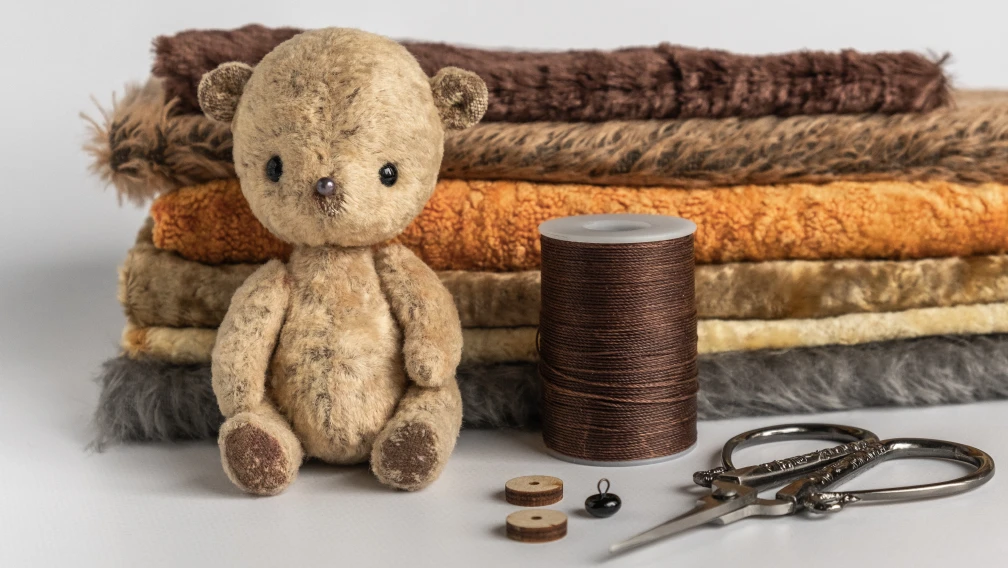
First, the 2D design is translated into a physical pattern by our structural engineering team. This pattern dictates the fabric consumption and cutting boundaries. The fabric is cut using industrial laser or die-cut machines. This prevents edge fraying and maintains exact dimensions across thousands of fabric panels.
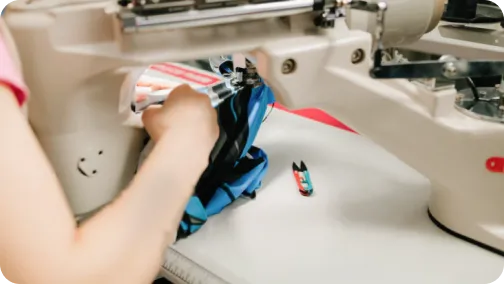
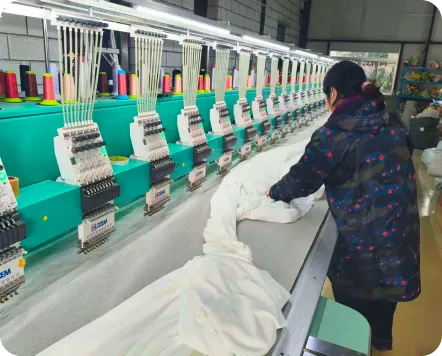
Once cut, the flat panels move to the embroidery station. Facial features, paw pads, and direct logos are embroidered before the panels are sewn together. Sewing is executed by experienced operators using industrial sewing machines, assembling the shell inside-out. The shell is then inverted, and high-stress points like the limb joints and neck are reinforced.
Stuffing is handled by automated air-pressure machines. These machines inject a precise, pre-calculated weight of PP cotton into the shell, ensuring consistent density and firmness across the entire batch. The closing seam is finished by hand using a hidden ladder stitch. The final stage involves dressing the bear in its custom apparel, attaching woven labels, brushing the fur to remove loose surface fibers, and passing the unit through a calibrated needle detector to verify safety compliance.
Defining the Commercial Application
Different distribution channels dictate the design, material specifications, and unit economics of a custom teddy bear.
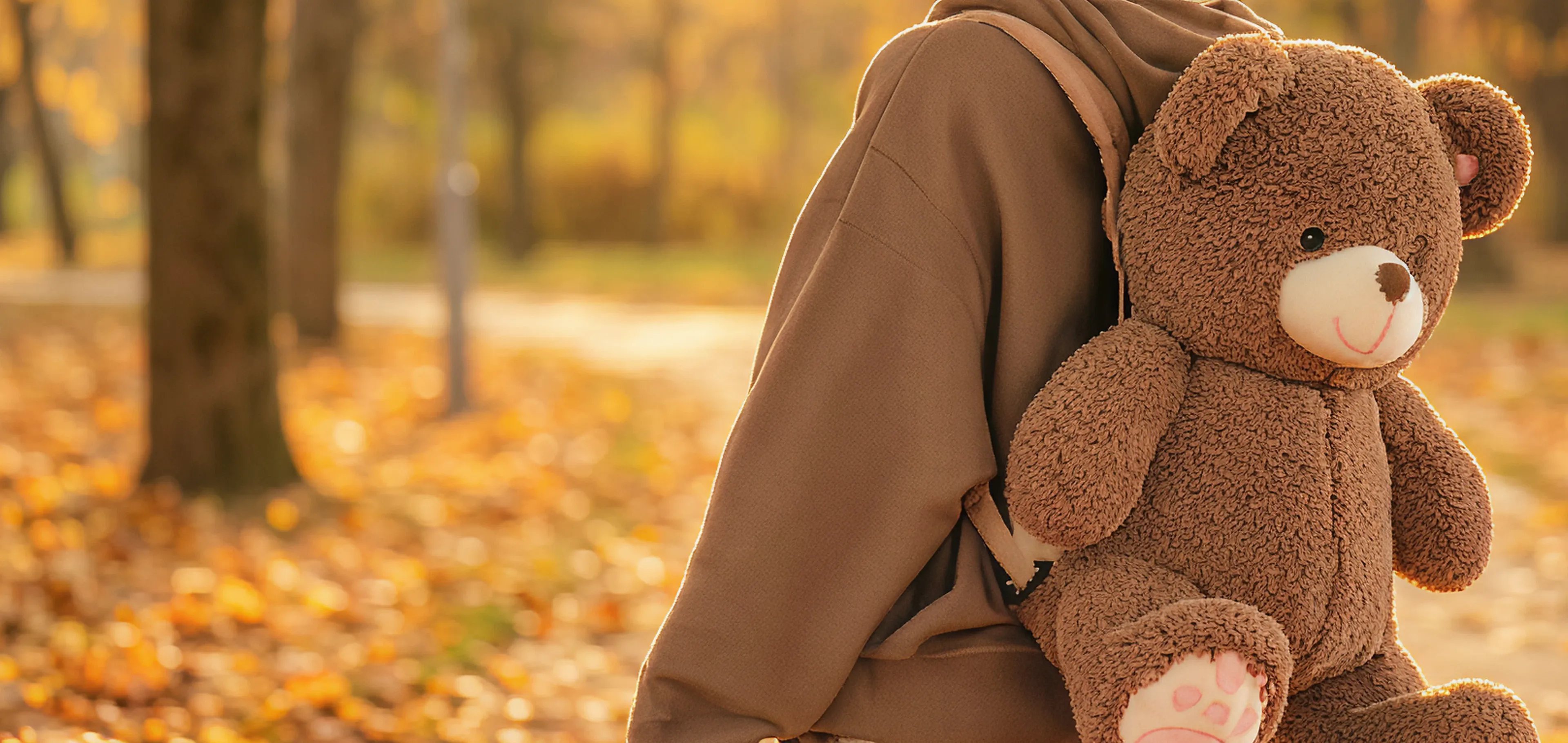
- Retail and Brand Merchandise: This category focuses on premium materials, unique facial expressions, and high shelf appeal. High-density embroidery, custom-dyed fabrics, and softer textiles like PV fleece are standard. The objective is maximum perceived value, allowing for a higher retail price point and long-term collectibility.
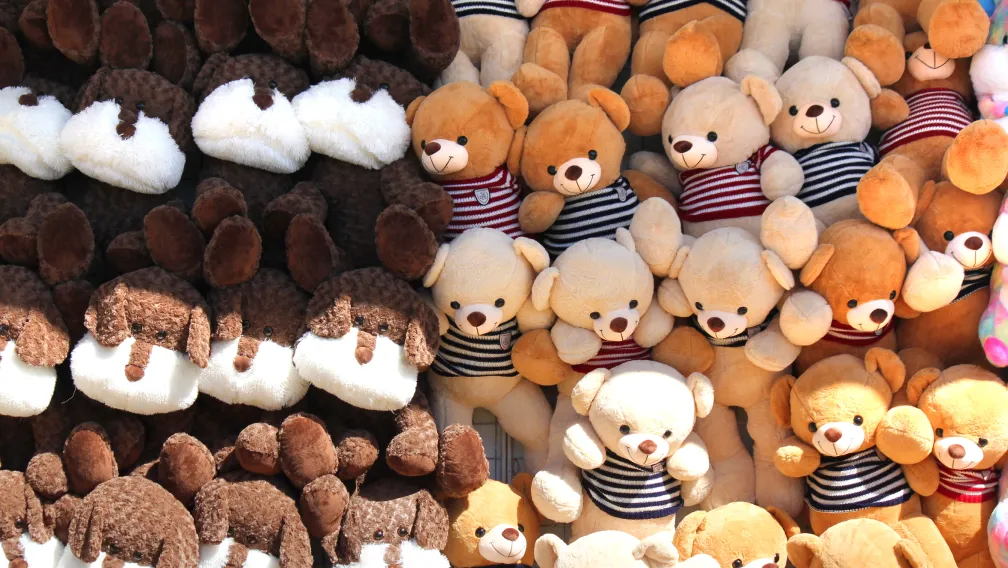
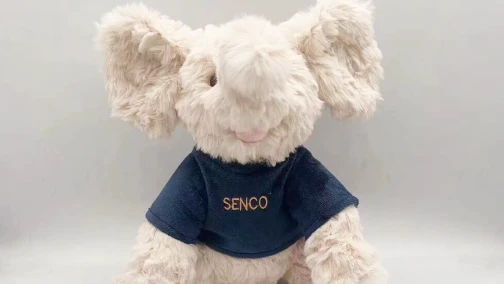
- Corporate Gifts and Promotional Items: These projects typically feature a standard bear body paired with custom-branded apparel, such as miniature T-shirts, hoodies, or scarves displaying printed or embroidered company logos. Cost control, rapid production, and accurate color matching are the primary considerations.
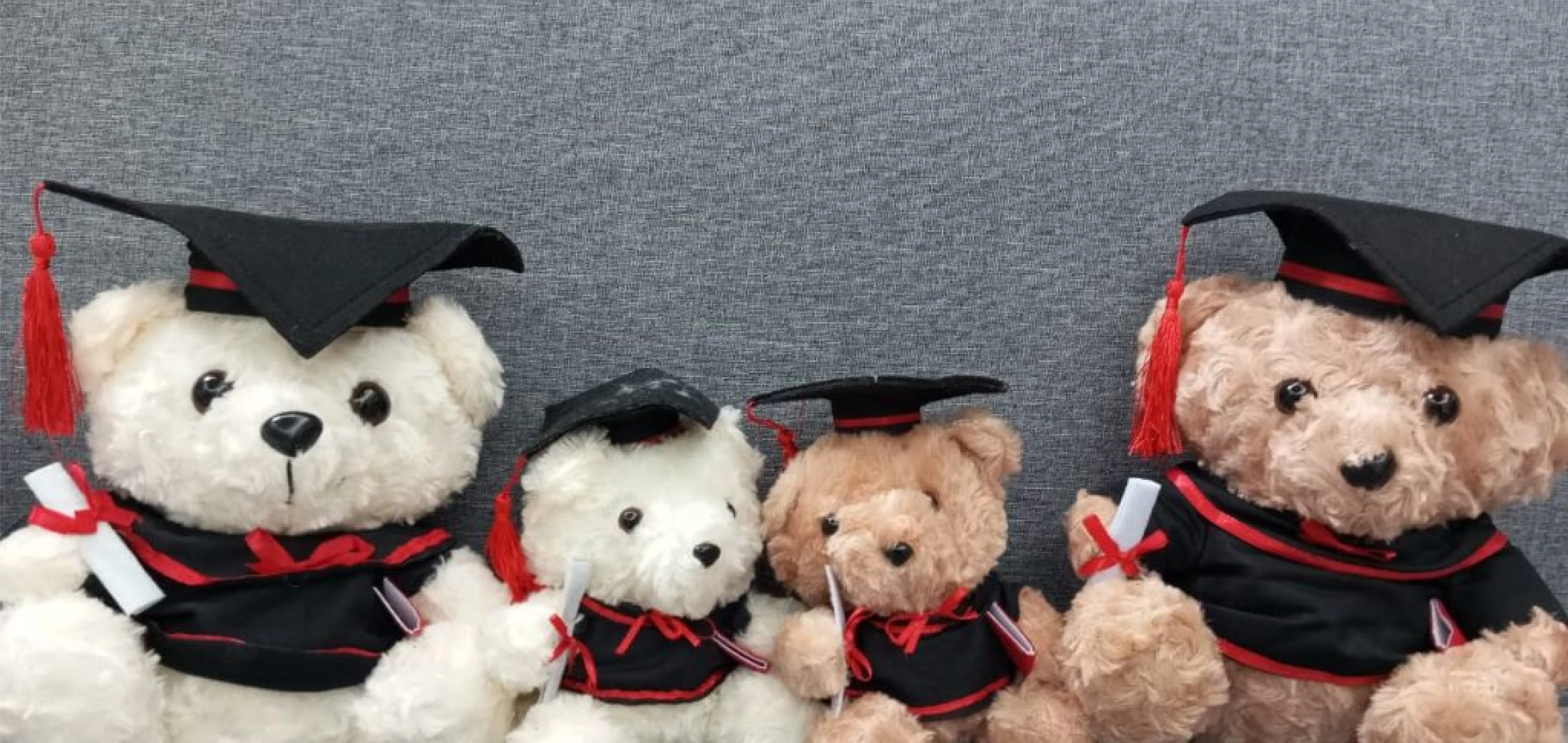
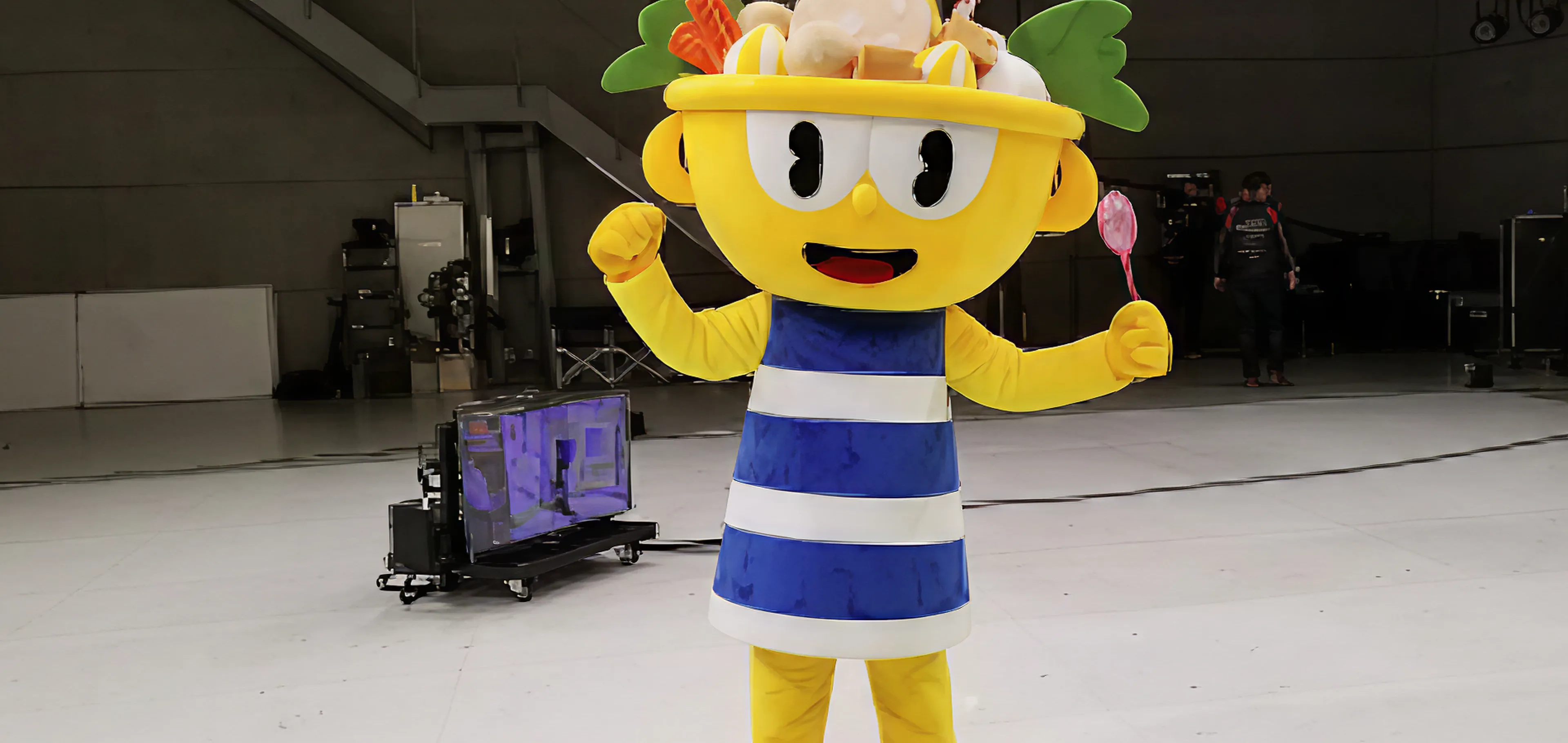
- Event, Charity, and Souvenir Plush: This tier includes graduation bears with caps and gowns, location-specific bears for tourist destinations, and mascot bears for charity drives. These require specific accessory sourcing, durable construction for long-term handling, and often customized retail packaging.
Fabric and Stuffing Specifications
Material selection determines the tactile quality, durability, and production cost of the finished product. We match the fabric to the specific end-use case.
Outer Fabrics
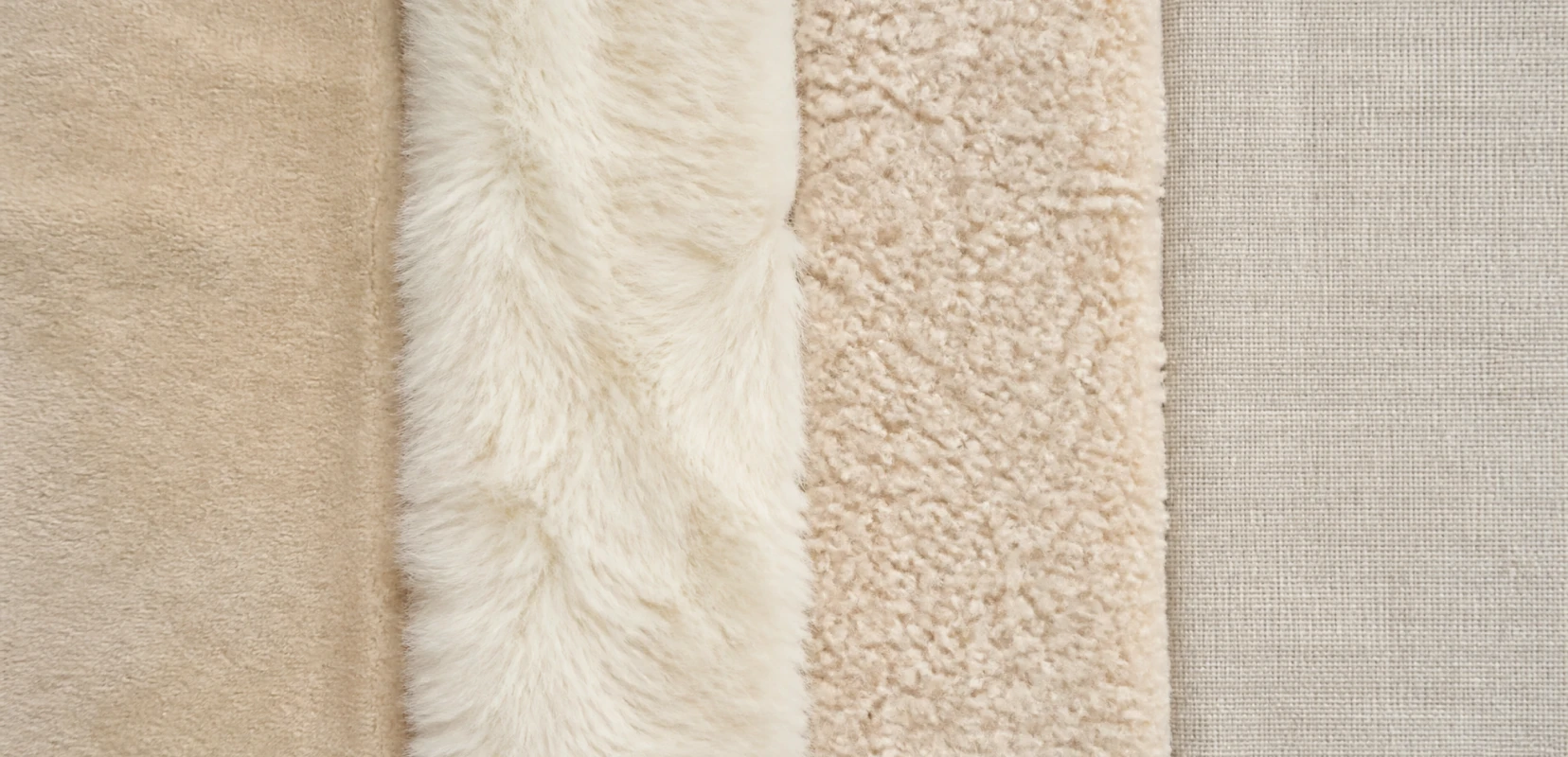
Short Plush (Velboa): The industry standard for promotional and highly detailed retail bears. Its low pile (typically 1.5mm to 3mm) provides a smooth, uniform surface that allows for sharp, accurate embroidery of facial features and small corporate logos. It is cost-effective, highly durable, and handles continuous machine washing well.
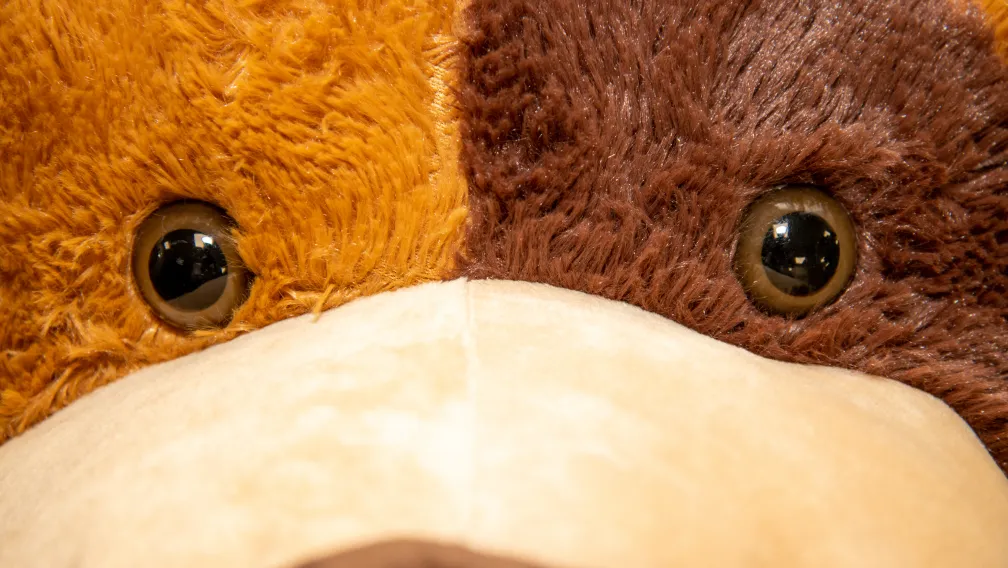
PV Fleece and PV Fur: Offers a longer pile (8mm to 20mm) and a softer texture, replicating the classic "fuzzy" teddy bear feel. It holds dye exceptionally well for custom color matching but requires larger embroidery areas, as fine stitches and small text can get lost in the long fibers. It is primarily used for boutique retail lines.
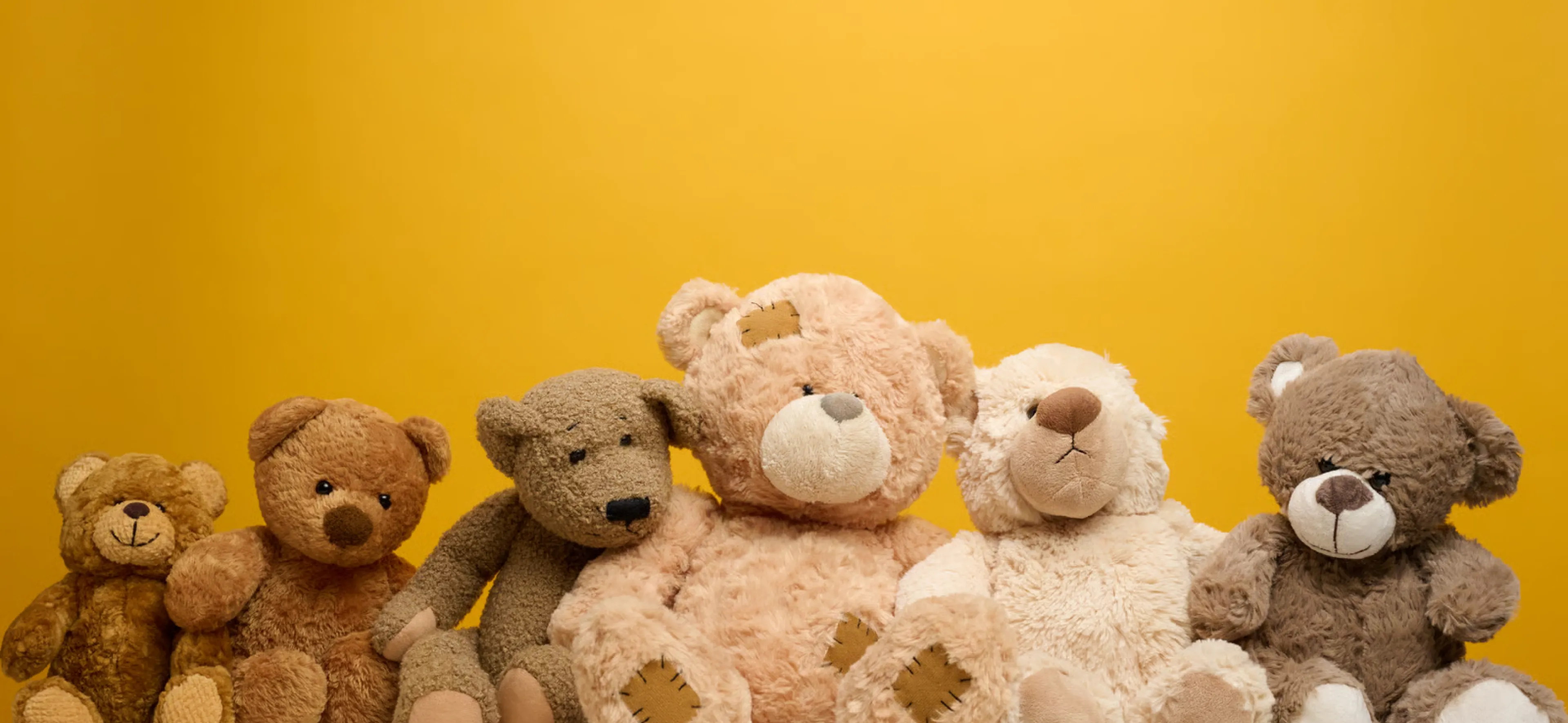
Sherpa and Bouclé: Used for vintage or premium boutique designs. These fabrics provide a distinct, textured, and slightly coarse finish that mimics classic wool bears. They appeal heavily to the adult collector demographic.
Cotton and Linen Blends: Occasionally requested for baby-safe or organic lines. These offer a flat, non-plush texture and are highly breathable, though they require different patterning techniques due to their lack of stretch.
Stuffing Materials
Standard bulk production relies on PP cotton (polyester fiberfill) for consistent volume, high rebound, and excellent shape retention over time. It is hypoallergenic and holds up to regular cleaning. For eco-conscious projects, recycled PET fiberfill (manufactured from recycled plastic bottles) provides identical mechanical performance while meeting corporate sustainability targets. Weighted bears may incorporate safely contained glass or plastic microbeads in the base, allowing the bear to sit upright independently on a shelf or desk. You can review all material options in detail on our materials page.
Defining Dimensions and Sizing Strategy
Size directly impacts pattern complexity, material consumption, shipping volume, and overall logistics costs. Selecting the right size upfront prevents budget overruns during international freight.
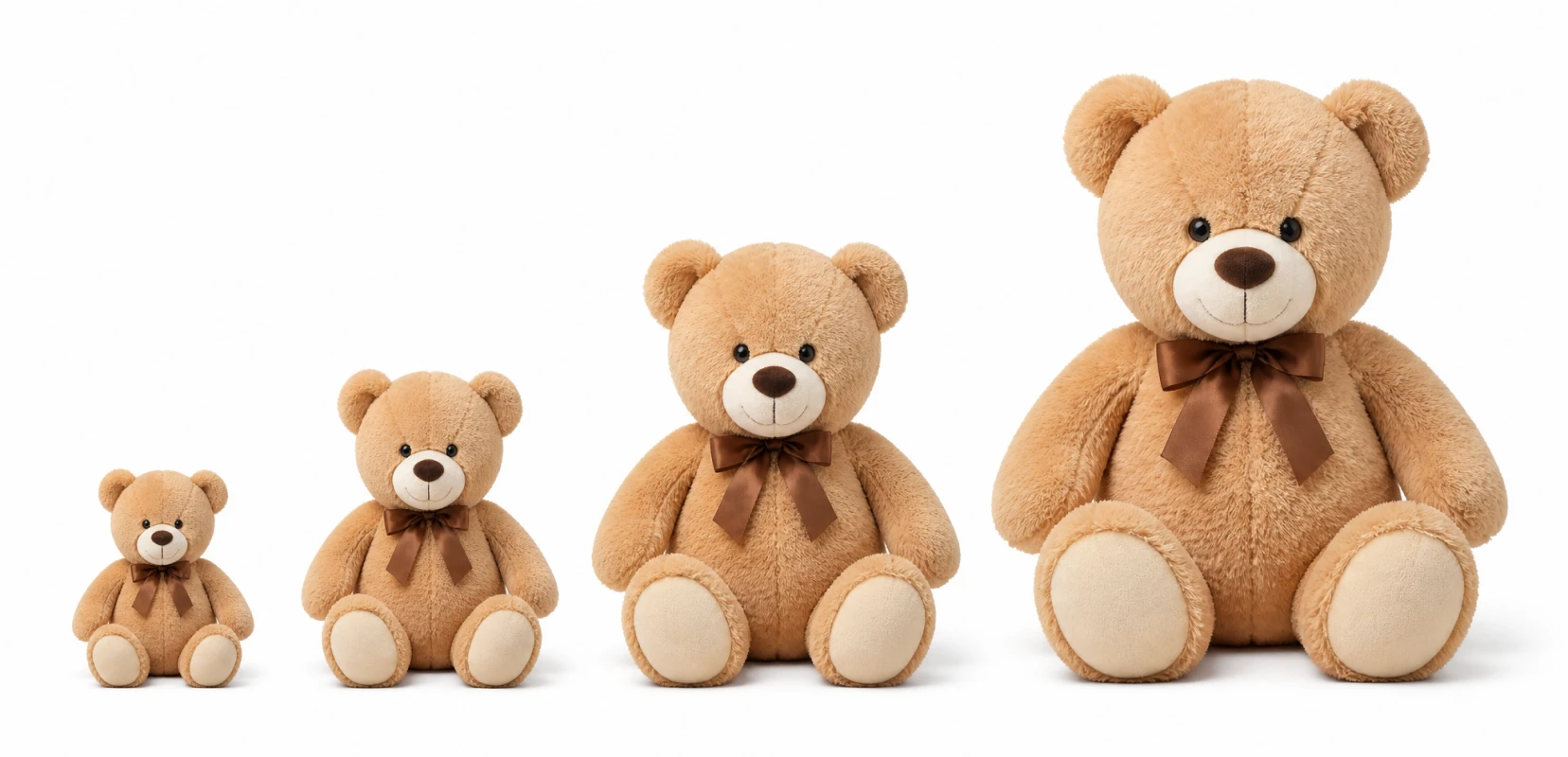
| Size Category | Typical Height | Primary Application | Recommended Decoration & Complexity |
|---|---|---|---|
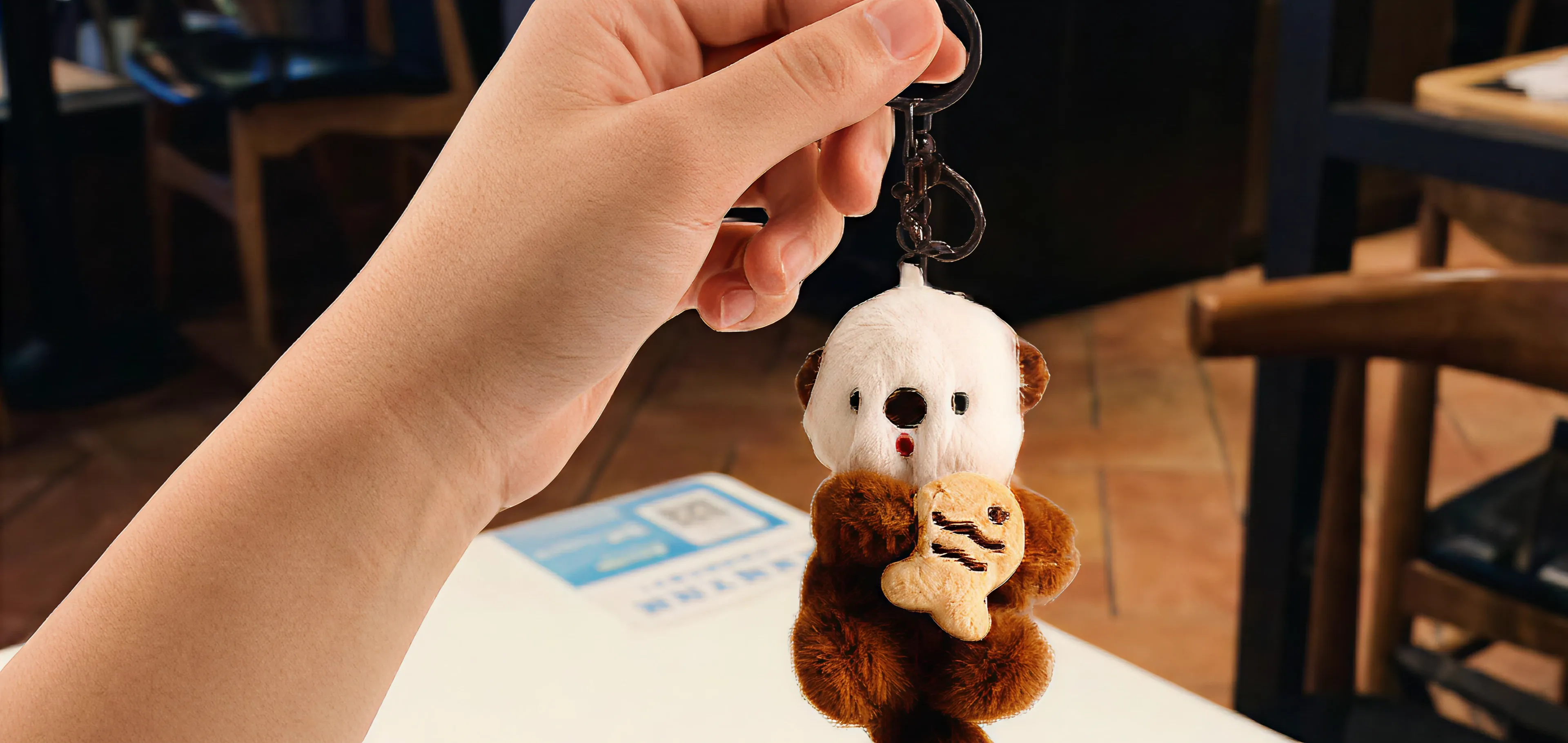
| Miniature | 10–15 cm | Keychains, Bag Charms, Small Promos | Simplified embroidery; complex apparel is not recommended. |
| Standard | 20–30 cm | Retail, Corporate Gifts, Souvenirs | Custom T-shirts, detailed facial embroidery, standard accessories. |
| Large | 40–60 cm | Premium Retail, Mascots, Display | Full custom outfits, mixed material construction, reinforced joints. |
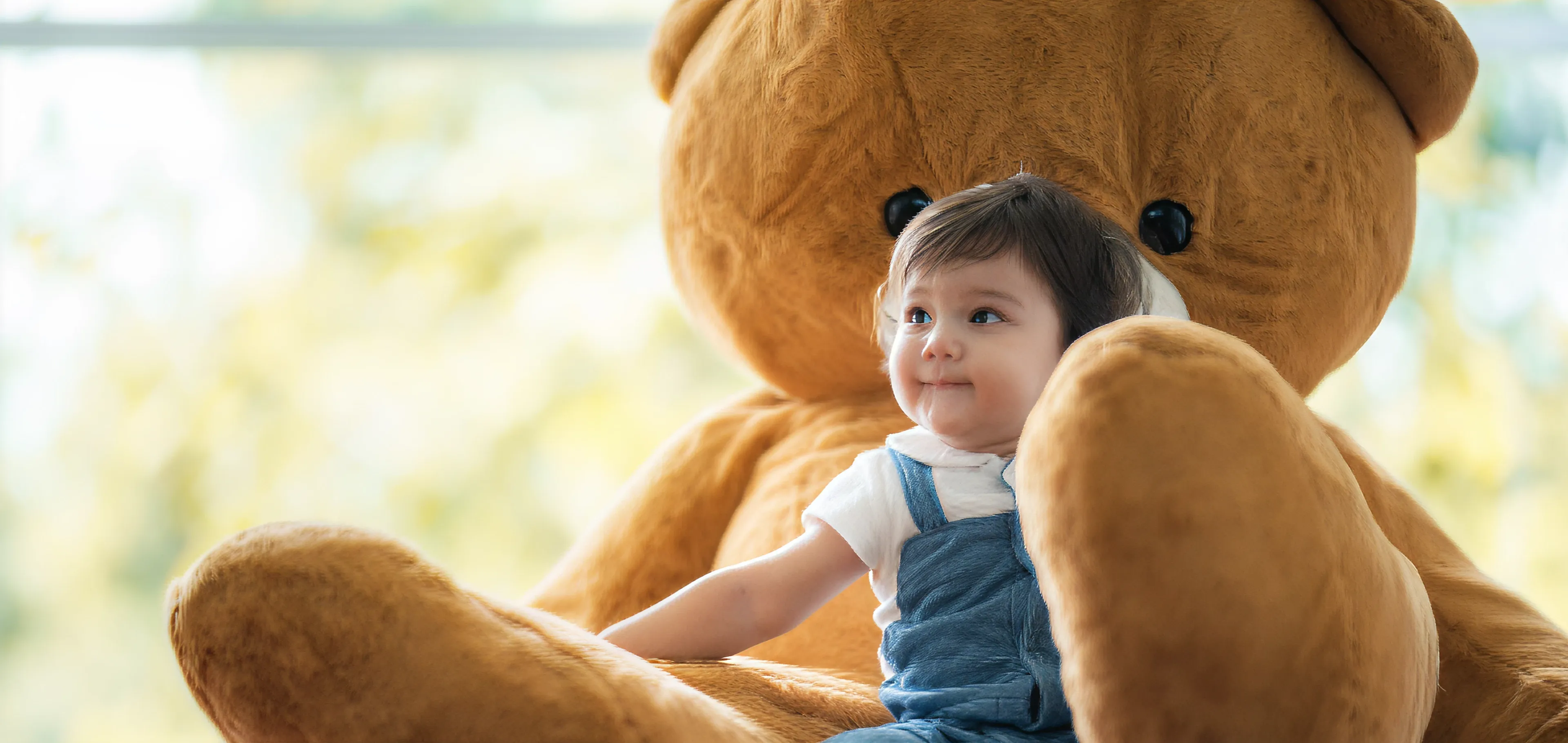
| Giant | 80+ cm | Event Display, Store Fronts | High-density stuffing, internal structural support, heavy-duty fabrics. |
For standard corporate gifting, 20 cm sitting or 25 cm standing are the most requested dimensions. These sizes balance high perceived value for the recipient with efficient container packing volumes for the buyer.
Articulated Joints vs. Fixed Limbs
Traditional teddy bears often feature articulated limbs, allowing the bear to sit, stand, and move its arms and legs. We utilize plastic disc safety joints hidden internally between the limbs and the torso to achieve this. This adds a premium feel and historical authenticity to the bear. Conversely, fixed limbs are standard for modern, cost-effective promotional bears. In this method, the pattern is cut and sewn in a permanent sitting or standing posture, eliminating the hardware cost and manual labor required for joint installation.
Apparel, Branding, and Accessory Integration
Customizing a standard bear shape with brand-specific apparel is the most cost-effective way to achieve a custom product without engineering a completely new base pattern.
Clothing Construction
Miniature garments like T-shirts, hoodies, jackets, and scarves are cut and sewn in-house. We source specific apparel fabrics, such as cotton jersey for T-shirts or fleece for hoodies, to ensure the miniature clothing drapes correctly on the bear without adding unnatural bulk.
Logo Application Methods
- Embroidery: Delivers a premium, textured finish with high durability. It is the best method for simple, solid-color logos applied directly to the bear's paws, ears, or chest.
- Silk Screen Printing: The standard and most economical method for applying complex or multi-colored logos to bear apparel. It provides sharp edges, clean lines, and accurate Pantone matching.
- Dye-Sublimation: Used for all-over prints, complex gradients, or highly detailed graphics on synthetic clothing fabrics. It embeds the ink directly into the fabric, meaning the design will not peel, crack, or fade over time.
Labels and Tags
Custom woven labels sewn securely into the side seam and printed paper hangtags attached to the ear are essential. They carry brand information, barcodes for retail scanning, and mandatory safety compliance documentation.
The Prototyping and Sample Approval Workflow
Before mass production begins, a rigorous sampling process ensures the physical product matches the buyer's vision perfectly.
- Initial Pattern and Prototype: Based on 2D artwork or reference photos, our pattern makers draft the initial cut files. A "first sample" is produced to review the shape, proportions, and facial expressions.
- Review and Revisions: High-resolution photos and videos of the first sample are sent to the client. Adjustments to stuffing density, ear placement, or embroidery alignment are discussed. Standard projects include up to three rounds of minor pattern revisions.
- Pre-Production Sample (PPS): Once the digital review is approved, a physical Pre-Production Sample is shipped to the client via express courier. This physical review is critical to verify fabric texture, exact Pantone colors, and overall firmness.
- Mass Production Alignment: The approved PPS becomes the "golden sample." It is kept securely on the factory floor as the absolute reference for the quality control team during bulk manufacturing, ensuring zero deviation in the final run.
Compliance, Safety, and Quality Control
Regulatory compliance is a non-negotiable requirement for plush manufacturing. Custom teddy bears must meet the stringent safety standards of their final destination market. Failure to comply can result in customs seizures or retailer rejections.
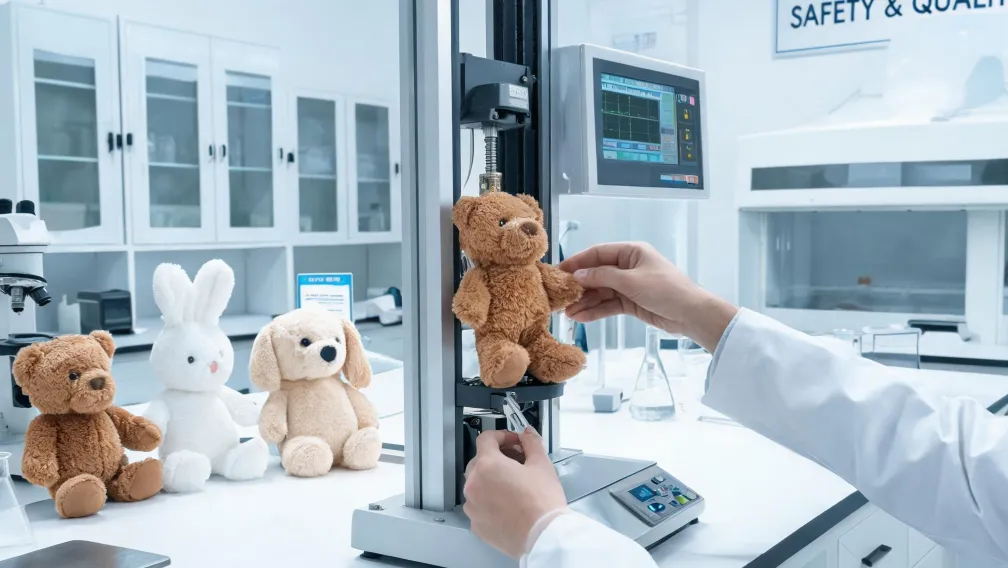
- Physical and Mechanical Testing: Tension and torque tests ensure that attached parts, such as plastic eyes, noses, or articulated joints, withstand required pull forces without detaching and becoming a choking hazard. For infant-safe designs (ages 0-3), all hard plastic components are replaced with direct, flat embroidery.
- Chemical Compliance: All outer fabrics, stuffing materials, and printing dyes are laboratory tested for heavy metals, phthalates, and restricted substances. This ensures full compliance with EN 71 (Europe), ASTM F963, and CPSIA (United States). Testing is conducted by accredited third-party laboratories such as SGS or Intertek.
- Needle Detection: As a mandatory final quality control step, every finished unit passes through a calibrated metal detector before being packed into a carton. This ensures no broken sewing needles or stray metal fragments remain inside the stuffing. Learn more about our rigorous testing protocols on the safety and compliance page.
MOQ, Cost Drivers, and Lead Times
Manufacturing costs are calculated based on fabric consumption, pattern complexity, apparel requirements, hardware, and total order volume.
Minimum Order Quantity (MOQ): Standard production runs begin at 300 to 500 units per design. While lower volumes are physically possible, they significantly increase the per-unit cost because the fixed fees for pattern-making, material sourcing, and machine setup are distributed across a smaller number of items.
Cost Breakdown: The base cost covers the fabric, stuffing, and labor for the bear body. Apparel adds incremental material and sewing costs. Decoration methods vary in price: printing is generally cheaper than large-area embroidery. Custom packaging or complex accessories (like miniature glasses or molded plastic accessories) will also impact the final unit price.
Lead Times: A standard bulk production cycle requires 35 to 55 days. The initial sampling and prototyping phase takes 7 to 10 business days. After the client formally approves the physical sample, mass production requires 25 to 35 days. High-season manufacturing (leading up to Q4 holidays) requires additional buffer time.
Packaging and Shipping Logistics
Plush toys are inherently high-volume, low-weight cargo. Optimizing the packaging strategy is critical to controlling international freight costs.
Standard Bulk Packaging: Bears are packed in bulk polybags and placed into double-corrugated export cartons. This is the most cost-effective method for promotional items and basic merchandise.
Retail Packaging: We produce printed display boxes, individual OPP bags with custom header cards, and clear window boxes. Retail packaging increases the unit cost and the overall shipping volume but allows the product to go directly to shelves upon arrival.
Vacuum Sealing: To reduce dimensional weight for shipping, teddy bears can be vacuum-sealed in heavy-duty plastic bags. This compresses the air out of the stuffing, reducing shipping volume by up to 50%. The bears will regain their original shape within 24 hours of unpacking, though a light brushing of the fur may be required to restore the pile.
Starting Your Custom Teddy Bear Project
Transitioning from concept to mass production requires clear technical specifications and an experienced manufacturing partner. We support both OEM and ODM workflows, capable of accepting finished technical tech packs or adapting rough reference images into production-ready patterns.
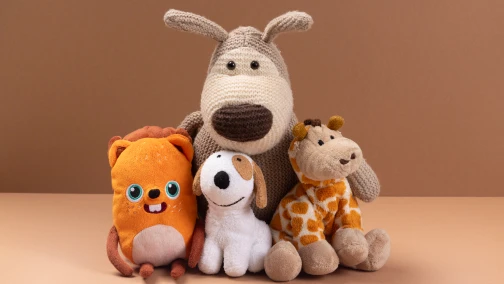
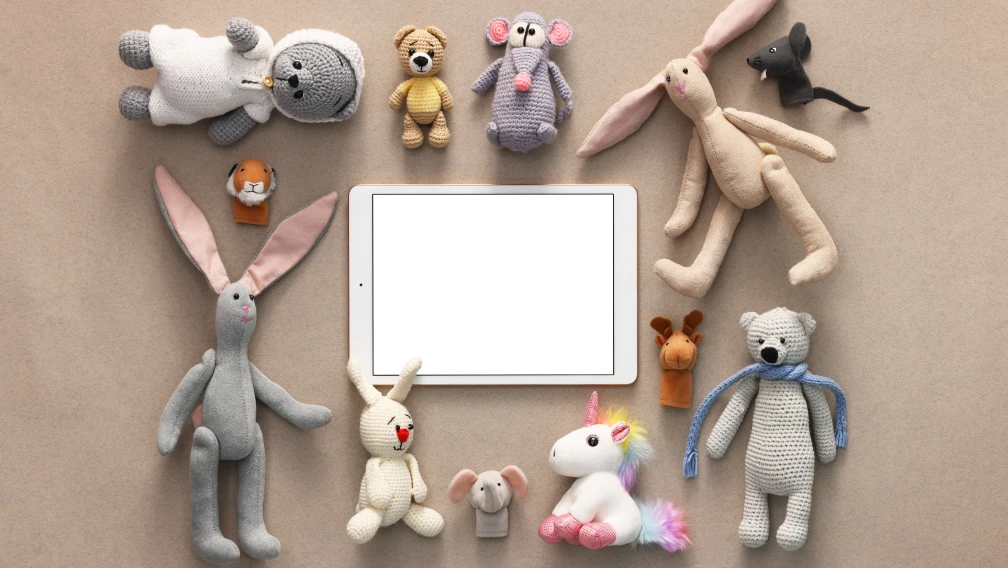
Explore our full manufacturing capabilities for custom teddy bears or contact our production team directly to discuss your specific project requirements, material preferences, and receive an itemized manufacturing quote. For broader animal shapes or custom character designs, review our comprehensive capabilities in custom plush animals.
FAQ
Our standard minimum order quantity (MOQ) for custom teddy bears is 300 to 500 pieces per design. We can accommodate smaller production runs for specific projects, though the per-unit cost increases as pattern-making, material sourcing, and machine setup fees are distributed across fewer items.
Yes. We manufacture custom apparel including miniature T-shirts, hoodies, scarves, and graduation gowns. These garments can be fully customized with your brand colors, logos, and typography using silk screen printing, direct embroidery, or dye-sublimation depending on the fabric and detail required.
A standard project requires 35 to 55 days from start to finish. The initial sampling phase takes 7 to 10 business days. Once you formally approve the physical pre-production sample, bulk manufacturing takes an additional 25 to 35 days, depending on order volume and material availability.
We manufacture to meet major international toy safety standards, including ASTM F963 and CPSIA for the US market, and EN 71 for Europe. All toys undergo tension testing for attached parts and pass through calibrated needle detection equipment before shipment.
Velboa is a short-pile plush fabric that provides a smooth, uniform surface, making it ideal for sharp embroidery and high-detail facial features. PV fleece has a longer pile, giving the bear a fluffier, more traditional texture, but it can obscure very fine embroidered details or small text.
Yes. We offer standard bulk polybag packaging to minimize freight costs, as well as fully custom retail packaging. Options include printed display boxes, individual OPP bags with custom header cards, and branded vacuum-sealed bags designed to significantly reduce shipping volume.