Custom Promotional Plush Toys: A B2B Manufacturing and Sourcing Guide
Corporate promotional plush toys operate under strict budget constraints and immovable event deadlines. Unlike retail merchandise designed for individual sale, promotional plush is distributed in high volumes to drive brand awareness at trade shows, product launches, or internal corporate events. The procurement objective is to maximize visual brand impact while maintaining a low per-unit cost and ensuring exact Pantone alignment with corporate identity guidelines.
This guide details the manufacturing specifications required for executing bulk promotional plush campaigns. It covers value engineering techniques, logo application methods, material friction, trade show sizing logic, regulatory compliance for giveaways, and supply chain management for hard event deadlines.
Value Engineering: OEM vs. ODM Approaches
What is the most cost-effective way to brand a promotional plush toy?
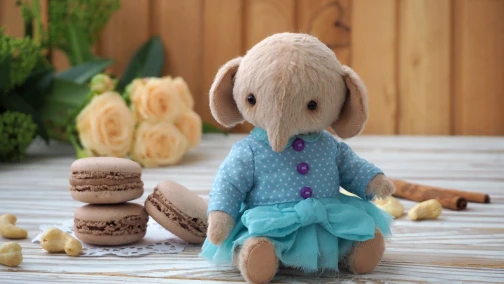
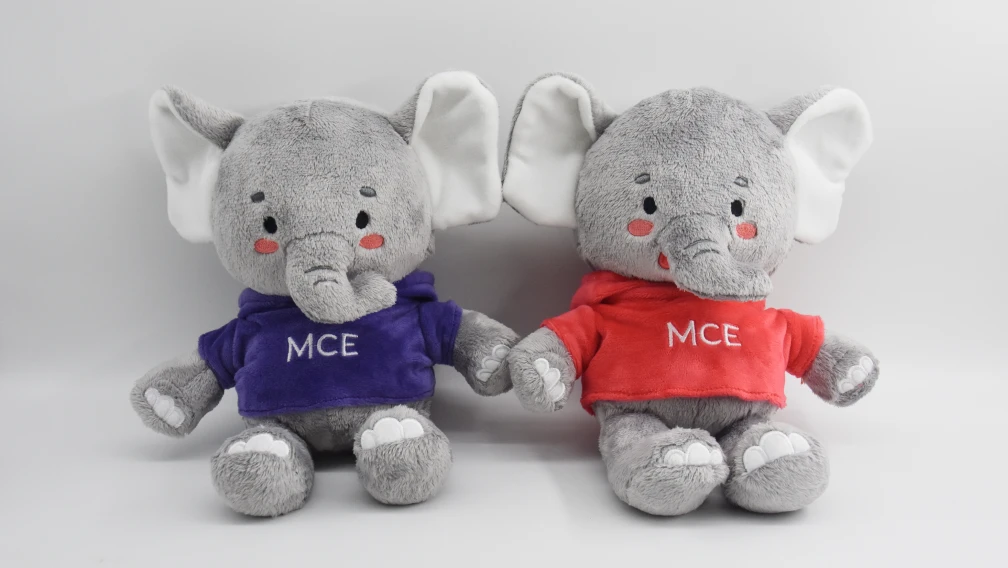
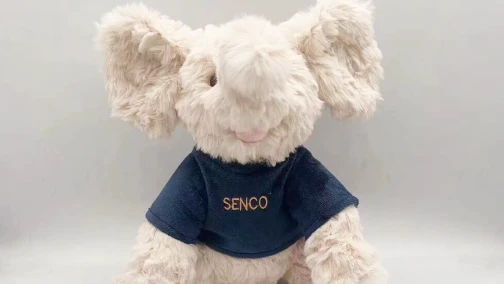
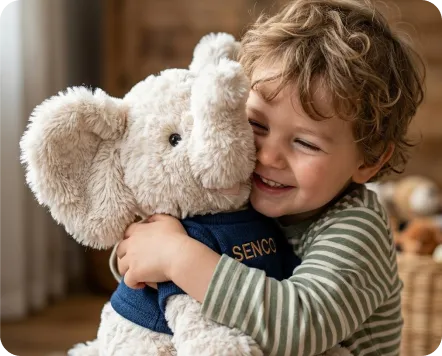
The most cost-effective method is applying a corporate logo via silk-screen printing or dye-sublimation onto a standard plush accessory, such as a miniature T-shirt, hoodie, or bandana, rather than altering the core pattern of the plush toy itself. This standardizes the plush body production while allowing high-resolution, multi-color logo reproduction at a fraction of the cost and time of engineering a completely custom character shape.
Buyers essentially choose between two structural approaches: Original Equipment Manufacturing (OEM) and Original Design Manufacturing (ODM). OEM involves creating a completely custom shape—such as a corporate mascot or a plush version of a physical product (e.g., a plush oil barrel or software cloud). This requires custom pattern engineering, driving up setup costs and adding 7 to 14 days to the prototyping timeline. ODM involves selecting a pre-engineered factory shape (like a standard bear, dog, or eagle) and customizing it entirely through branded apparel, custom fabric colors, and woven tags. For budgets under $5,000 or timelines under 45 days, the ODM approach utilizing branded apparel is the standard industrial recommendation.
Logo Application and Branding Methods
The application method determines the longevity of the logo, the required fabric type, and the unit cost. Manufacturers utilize three primary methods for corporate branding.
Direct Embroidery
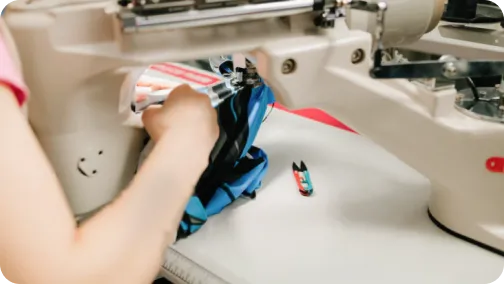
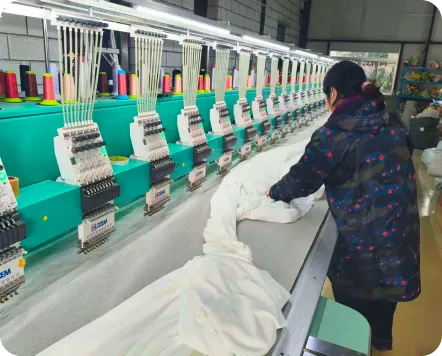
Direct embroidery provides a premium, textured finish. Industrial multi-head embroidery machines stitch the corporate logo directly onto the plush fabric (typically the chest or paw). It is highly durable and will not fade. However, embroidery is priced by stitch count. Complex logos with heavy fills, gradients, or text smaller than 5mm become illegible as the thread sinks into the plush pile. Embroidery works best for simple, solid-color vector logos.
Silk Screen and Dye-Sublimation Printing
Printing is executed on the toy's apparel rather than the plush body. Silk-screen printing provides sharp, opaque colors and allows for exact Pantone matching, making it ideal for strict corporate brand guidelines. Dye-sublimation embeds the ink directly into polyester fibers, supporting full-color gradients, photographic prints, or all-over patterns without adding a stiff, plastic feel to the fabric. Printing is highly cost-effective for large-volume runs.
Custom Woven Labels
Every commercial plush toy requires a legally mandated tracking label. For promotional items, buyers can upgrade this requirement into a branding opportunity by utilizing custom woven tags sewn into the side seam. These tags display the corporate logo on the front and the required safety/washing data on the back, offering a subtle branding touchpoint for minimalist designs.
Material Specifications for Corporate Identity
Material selection in promotional manufacturing focuses on color control and decoration compatibility rather than maximum softness.
Velboa (Short Plush): This is the industry standard for promotional goods. Velboa features a short pile length (1.5mm to 3mm), providing a flat, consistent surface. This low pile prevents the fabric from obscuring small embroidered logos and facial details. It also handles custom vat-dyeing exceptionally well, allowing factories to match the fabric exactly to a brand's primary Pantone color when order volumes exceed the textile mill's minimums.
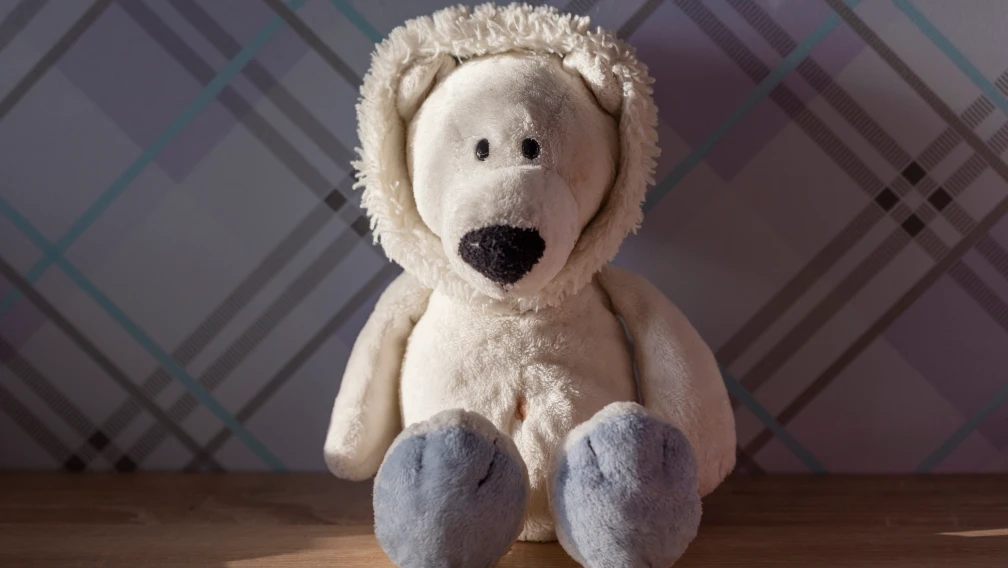
PV Fleece and Sherpa: These longer-pile fabrics are reserved for premium corporate gifting, providing a softer, more traditional "stuffed animal" texture. Buyers must understand that complex direct embroidery fails on long-pile fabrics because the stitches disappear into the fur. Branding on these materials strictly requires the use of secondary apparel. Review specific fabric properties on our materials page.
Sizing Strategy for Trade Shows and Logistics
The physical dimensions of a promotional toy dictate its shipping volume, display footprint, and portability for the end-user. Trade show attendees have limited luggage space; oversized giveaways are frequently abandoned in hotel rooms.
| Size Category | Height Dimension | Primary Application | Logistics Impact |
|---|---|---|---|
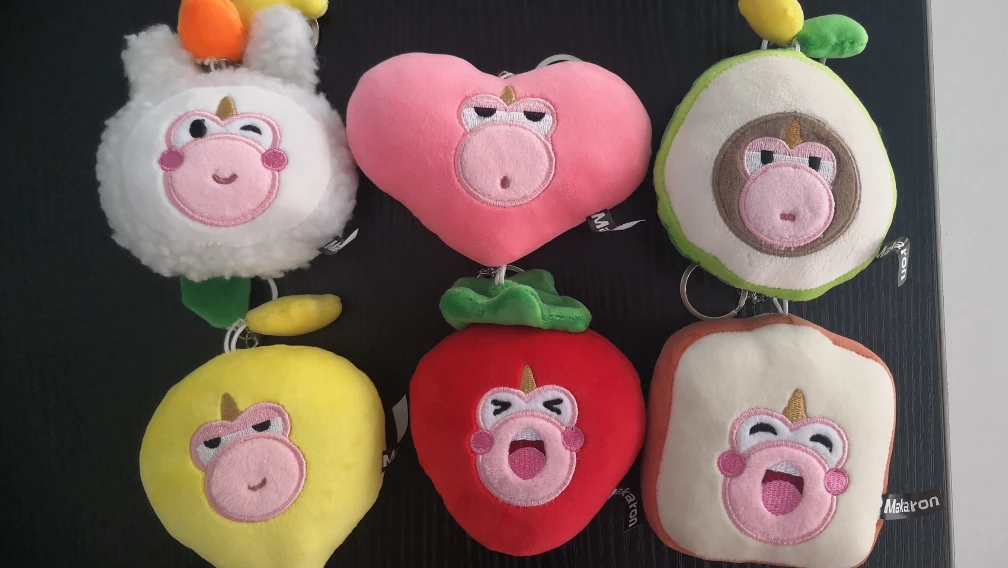
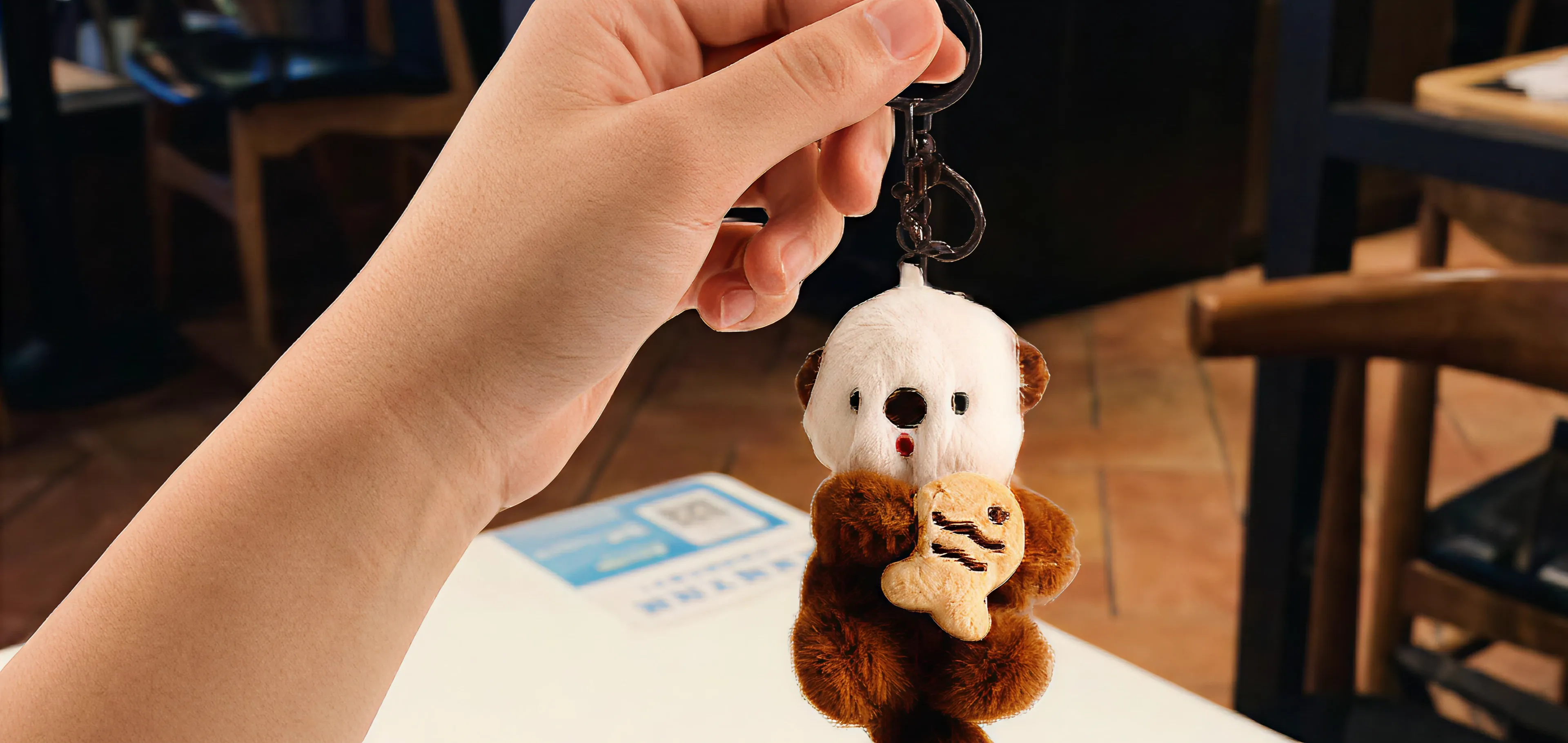
| Bag Charm / Keychain | 8 cm - 12 cm | High-volume booth giveaways, direct mailers | Extremely low dimensional weight, cheapest freight |
| Standard Desktop | 15 cm - 20 cm | Client gifts, employee onboarding kits | Fits easily into standard tote bags and shipping boxes |
| Premium / Display | 25 cm - 35 cm | Executive gifting, VIP event attendees | High perceived value, high dimensional freight cost |
The 15 cm (6-inch) sitting format is the statistical median for corporate merchandise. It provides adequate surface area for a readable logo on a T-shirt while remaining compact enough to pack efficiently into international sea freight containers.
Safety Compliance for Free Giveaways
A common misconception in corporate procurement is that items distributed for free at events do not require consumer safety testing. This is legally incorrect. In the United States, Europe, and most developed markets, any product designed or clearly intended to be played with by children under 12 years of age must comply with statutory toy safety regulations, regardless of whether it is sold or given away.
Buyers must stipulate compliance with ASTM F963 / CPSIA (US market) or EN 71 (EU market) in their manufacturing contracts. The factory must utilize heavy-metal-free dyes, execute tension testing on all seams to prevent stuffing leakage, and replace hard plastic eyes with direct embroidery for zero-choking-hazard designs. A final pass through a calibrated needle detector is mandatory before packing. Operating without these lab-certified safety reports exposes the corporation to significant liability and potential product recalls.
Managing Hard Deadlines and Supply Chain Logistics
Promotional events feature hard deadlines; a shipment arriving two days after a trade show concludes is completely worthless. B2B buyers must engineer their supply chain schedule backward from the event date, incorporating specific buffers.
- Prototyping (10-15 Days): Pattern engineering, fabric sourcing, and physical sample production.
- Sample Transit (5 Days): Express air freight of the physical golden sample to the buyer's headquarters for approval.
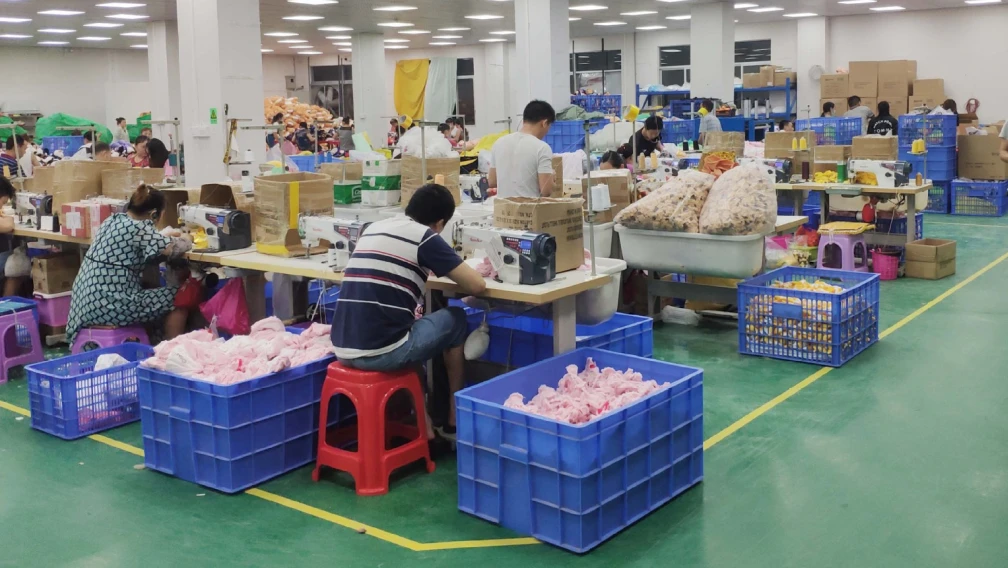
- Bulk Production (30-40 Days): Cutting, embroidery, sewing, stuffing, and QC inspection.
- International Freight (30-45 Days): Standard ocean freight from Chinese ports to North American or European distribution centers. Air freight reduces this to 7-10 days but increases transportation costs by roughly 300 to 500 percent.
- Customs and Inland Transport (7-10 Days): Port clearance and trucking to the final event venue or warehouse.
To guarantee delivery for an October 1st event using standard ocean freight, the initial design files must be submitted to the factory no later than early June.
Volume Compression and Packaging
Because promotional toys are distributed in large numbers, warehouse storage and freight costs are critical variables. Factories employ industrial vacuum sealing to mitigate dimensional weight. Polybags containing 50 to 100 toys are compressed, extracting the air and flattening the goods. This technique halves the required shipping volume. Upon arrival, event staff simply cut the bags; the PP cotton stuffing naturally expands, and the toys regain their engineered shape within hours.
Initiating a Promotional Plush Campaign
Successful promotional merchandise relies on early supplier engagement and clear technical parameters. Begin by locking down the event date, target unit volume, and distribution method (e.g., mailer box vs. physical handout). Provide the manufacturer with vector logo files and exact corporate Pantone references.
Explore standard shapes and branded apparel options in our promotional plush toys section, or review broader IP translation capabilities under custom plush merchandise. Submitting a clear design brief allows the engineering team to provide an accurate unit cost and a hard production schedule.
FAQ
The standard Minimum Order Quantity (MOQ) for custom promotional plush toys is typically 300 to 500 units per design. This volume justifies the setup costs for custom pattern engineering, logo digitization, and fabric sourcing. For highly complex custom shapes or unique Pantone fabric dyeing, the MOQ may increase to 1,000 units to meet raw material minimums.
Yes. If your corporate logo relies on specific Pantone colors, we achieve exact matches through silk-screen printing or dye-sublimation on the toy's apparel. For the actual plush fabric (the body of the toy), we can custom-dye the raw material to an exact Pantone reference, provided the order volume meets the textile mill's dyeing threshold (typically 1,000+ units).
For trade shows and event giveaways, a 10 cm to 15 cm (4 to 6-inch) height is optimal. This size is large enough to display a readable corporate logo but small enough for attendees to easily carry in a tote bag or pack in their luggage. Smaller items like plush keychains (8 cm) are also highly effective for mass booth distribution.
Yes. Regardless of whether the product is sold at retail or given away for free at a corporate event, any plush item inherently appealing to children must comply with statutory toy safety regulations. This includes ASTM F963 and CPSIA testing for the US market, ensuring no heavy metals, toxic dyes, or choking hazards are present.
A standard production cycle requires 30 to 45 days after the physical sample is approved. The initial prototyping phase takes 7 to 14 days. For tight event deadlines, the limiting factor is usually shipping. While ocean freight takes 30 to 45 days, we can utilize express air freight to deliver the bulk order in 7 to 10 days, though this significantly increases logistics costs.
Printing your logo on a miniature plush garment (like a T-shirt) is generally cheaper and faster than direct embroidery, especially for multi-color designs or gradients. Embroidery is priced by stitch count, meaning large or highly dense logos increase the unit cost. Silk-screen printing offers a flat, cost-effective rate while providing exact Pantone color accuracy.