Custom Mascot Plush Toys: A B2B Manufacturing Guide for Brands and Teams
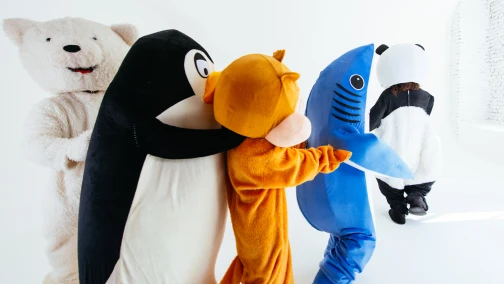
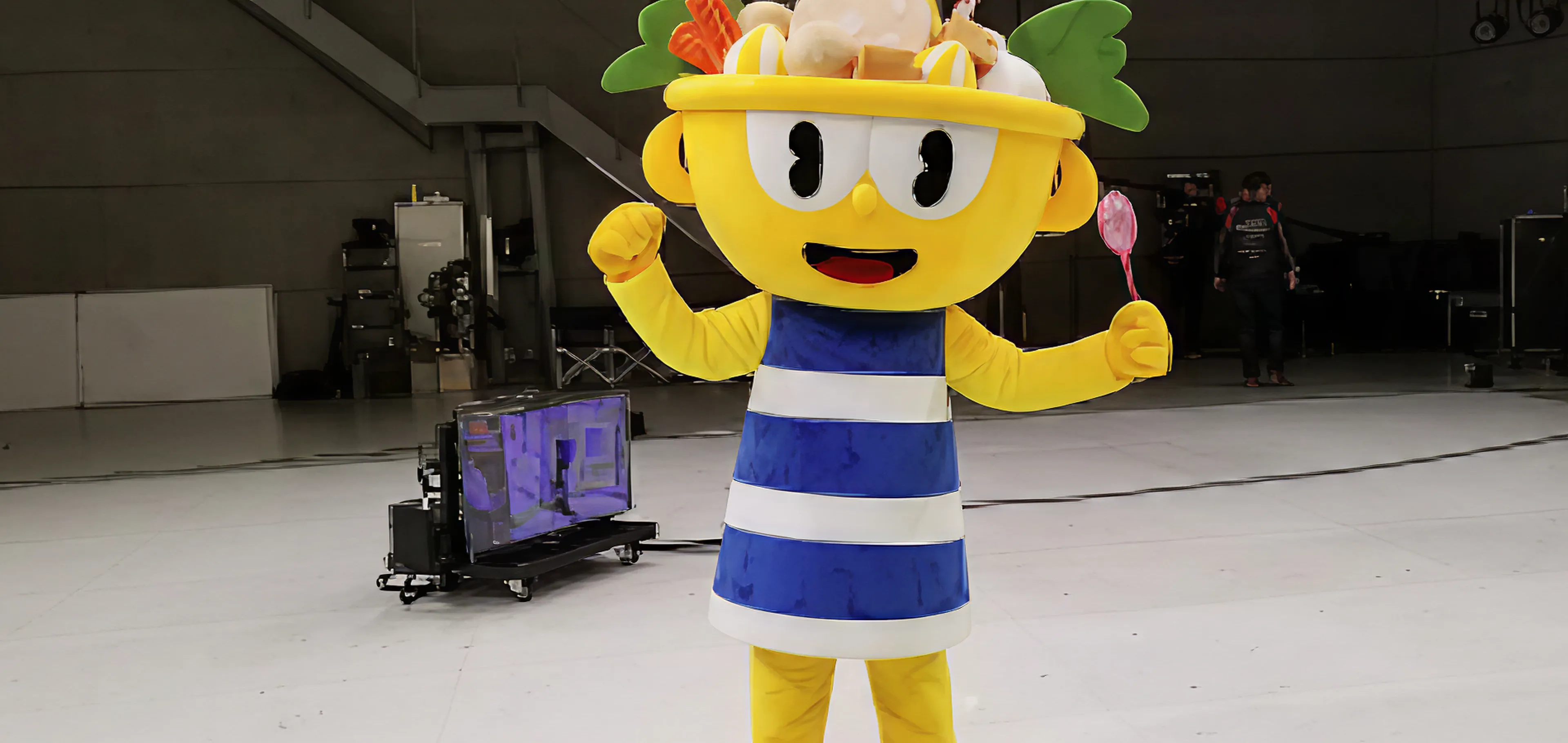
A mascot operates as the physical face of a sports team, university, or corporate brand. When procurement teams scale that character down into a retail product or a stadium giveaway, visual accuracy becomes the primary manufacturing metric. A poorly engineered plush replica dilutes the brand identity and fails to resonate with fans or alumni who interact with the life-sized mascot regularly.
Manufacturing custom mascot plush toys requires a specific translation process. The factory must convert the complex, multi-layered geometry of a human-worn mascot costume into a compact, 20 cm soft toy suitable for mass production. This guide details the engineering protocols required for B2B buyers to execute bulk mascot plush orders. It covers 3D scale reduction, Pantone fabric dyeing, team apparel integration, sizing logic for different commercial channels, and safety compliance for event distribution.
Translating the Costume into a Retail Plush
How do factories turn a life-sized mascot costume into a small plush toy?
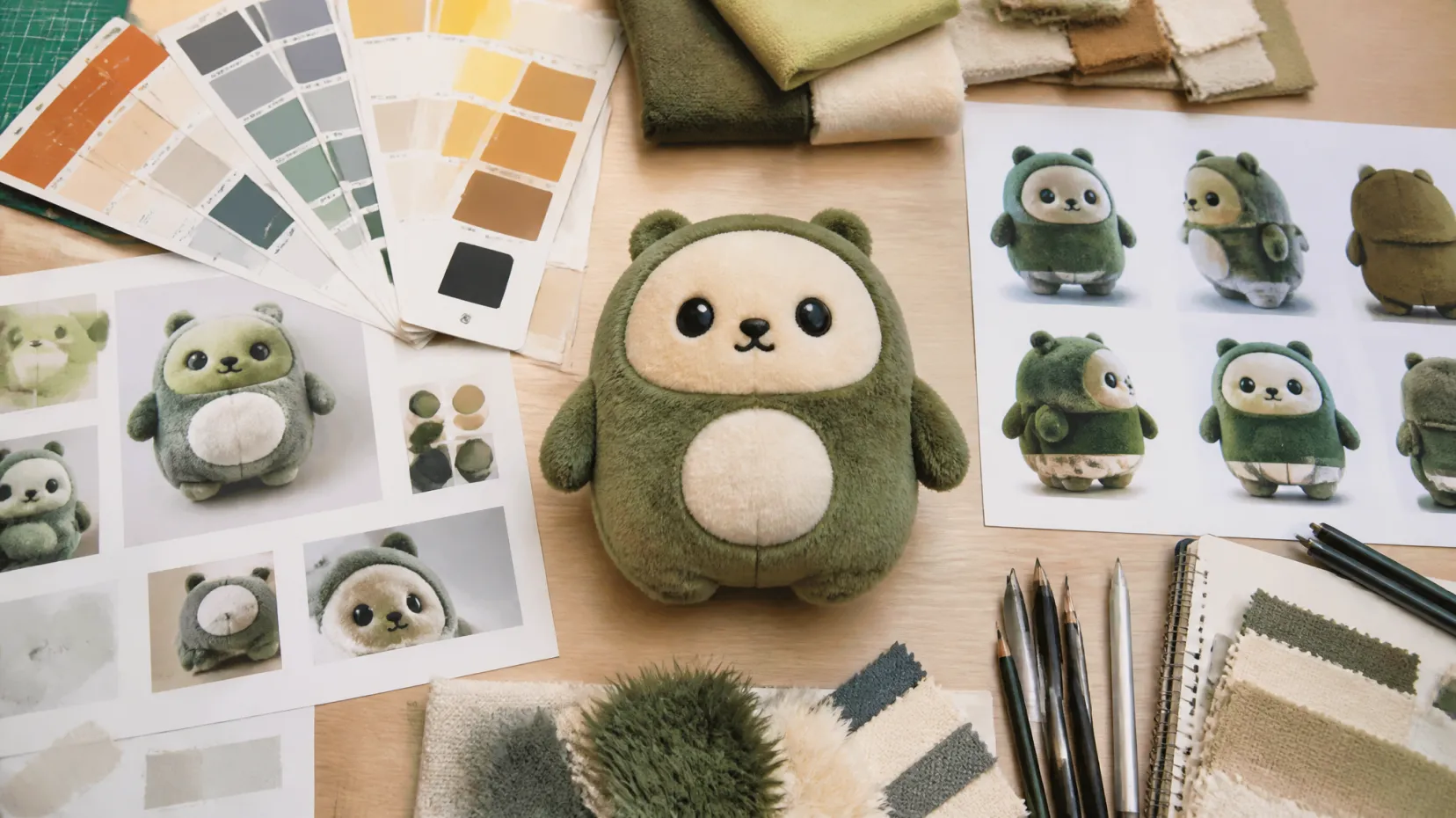
Factories translate a life-sized mascot costume into a retail plush toy by simplifying complex foam structures into 2D fabric panels and replacing hard 3D accessories with flat, high-density embroidery. A factory pattern engineer uses photographs of the physical costume to draft a deformed, Q-version (enlarged head, shortened limbs) fabric pattern. This structural adjustment ensures the character's facial features remain readable at a 20 cm scale while allowing the final toy to sit upright independently on a retail shelf.
Directly scaling down a 2-meter tall foam costume to 20 cm results in thin, fragile limbs and a head too small to support embroidered details. B2B buyers must expect and approve intentional proportion changes during the initial prototyping phase. The goal is capturing the character's distinct silhouette and facial expression rather than achieving strict anatomical realism.
Fabric Selection and Pantone Color Matching
Sports organizations and corporate brands enforce strict identity guidelines. A university's proprietary blue or a corporate logo's exact red must be replicated perfectly on the plush merchandise. Standard off-the-shelf fabric colors rarely align with specific corporate Pantone Matching System (PMS) codes.
For bulk orders, professional plush factories utilize custom vat-dyeing. Buyers provide the exact Pantone TPX/TCX codes, and the textile mill dyes raw white fabric to match the specification exactly. This process typically requires a minimum order quantity (MOQ) of 1,000 units to meet the textile mill's dyeing threshold. For smaller orders, factories submit physical fabric swatches from existing stock that offer the closest visual match for buyer approval.
Regarding texture, Velboa (short plush with a 1.5mm to 3mm pile) remains the industry standard for mascot replicas. Its flat surface prevents the team logo and facial embroidery from sinking into the fur. Buyers can review specific pile options in our materials overview.
Engineering Team Apparel: Direct vs. Removable
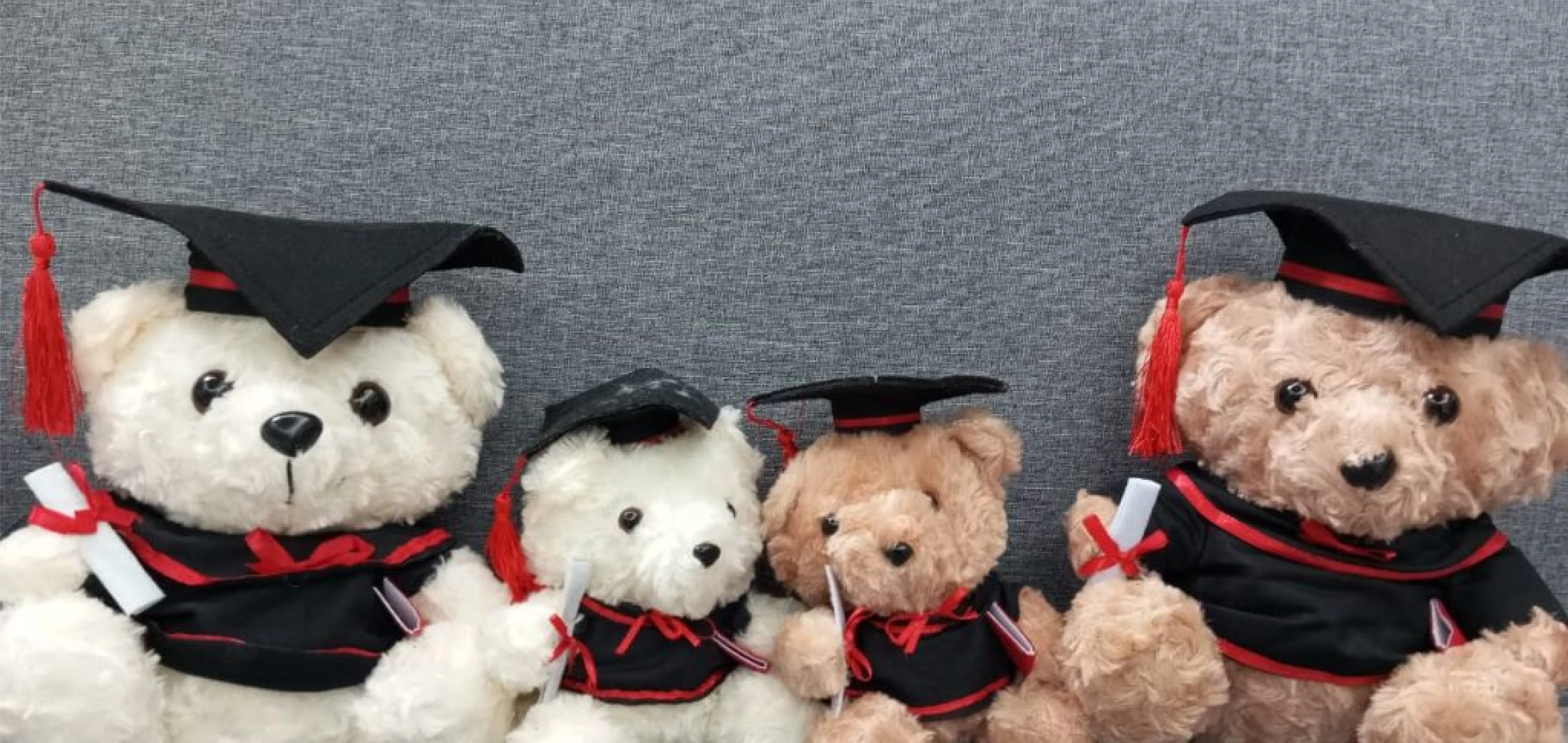
Mascots almost exclusively wear branded apparel, typically team jerseys, corporate T-shirts, or graduation gowns. The factory handles apparel through two distinct manufacturing tracks based on the buyer's unit budget.
Integrated (Sewn-In) Apparel
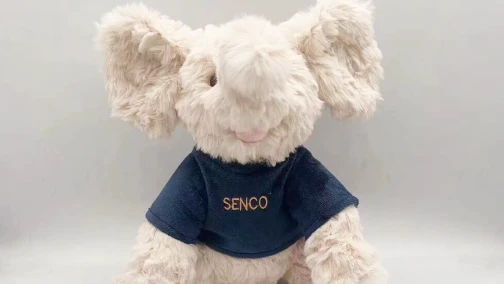
For stadium giveaways or promotional events with tight budgets, the apparel is engineered directly into the plush body pattern. The torso fabric is simply cut from a fabric dyed to match the jersey color, with the team logo, numbers, and jersey stripes applied via silk-screen printing or dye-sublimation. This method eliminates the labor cost of cutting and sewing miniature removable garments, keeping the unit cost low and ensuring the branding never gets lost.
Removable Miniature Garments
For premium retail merchandise sold in campus bookstores or stadium shops, the factory operates a secondary assembly line to produce miniature, fully removable clothing. Thin-gauge micro-fleeces or specialized poly-blends are used to replicate jerseys or jackets without adding unnatural bulk to the plush figure. This adds premium retail value but increases both the initial prototyping time and the final FOB unit cost.
Sizing Strategies by Commercial Channel
Procurement teams must specify the physical dimensions of the mascot based on the intended distribution method. Oversized items fail as trade show giveaways, while undersized items lack the perceived value required for retail sales.
| Height Dimension | Primary B2B Application | Logistics & Cost Impact |
|---|---|---|
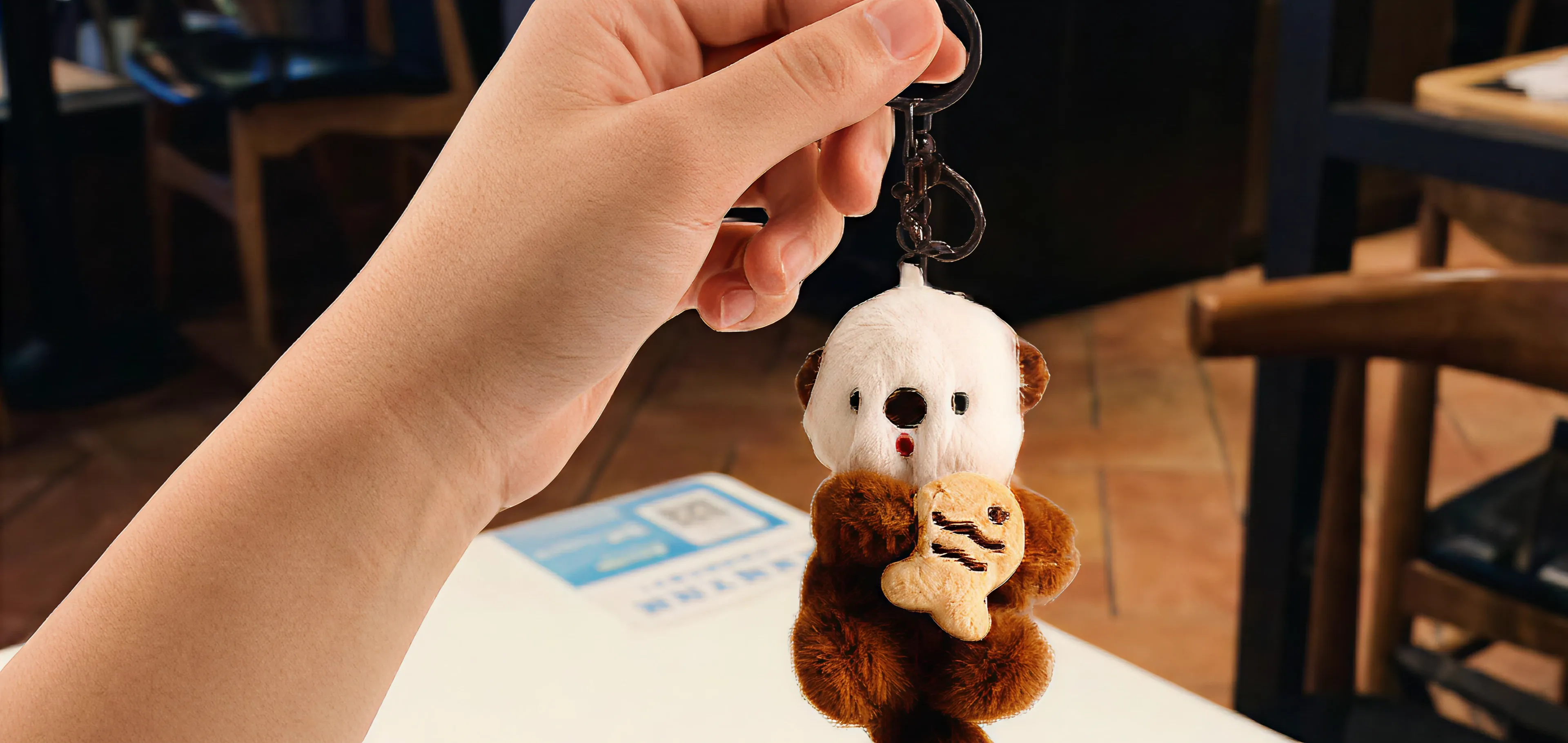
| 10 cm - 12 cm (4" - 5") | Bag clips, keychains, mass event giveaways | Lowest unit cost, minimal ocean freight volume |
| 15 cm - 20 cm (6" - 8") | Corporate gifts, stadium promotional nights | Standard median size, balances detail and packing density |
| 25 cm - 30 cm (10" - 12") | Premium retail stores, alumni fundraising items | High perceived retail value, higher dimensional freight cost |
A 20 cm (8-inch) sitting format is the most requested specification across corporate and academic sectors. It provides sufficient surface area for clear logo printing while remaining highly efficient for vacuum-sealed bulk shipping.
Safety Compliance for Mass Distribution
When a sports team distributes 10,000 mascot plush toys at a game, the items are handled by thousands of children. Brand liability requires strict adherence to international safety regulations. In the United States, all plush items distributed to the general public must pass ASTM F963 and CPSIA testing. In Europe, EN 71 standards apply.
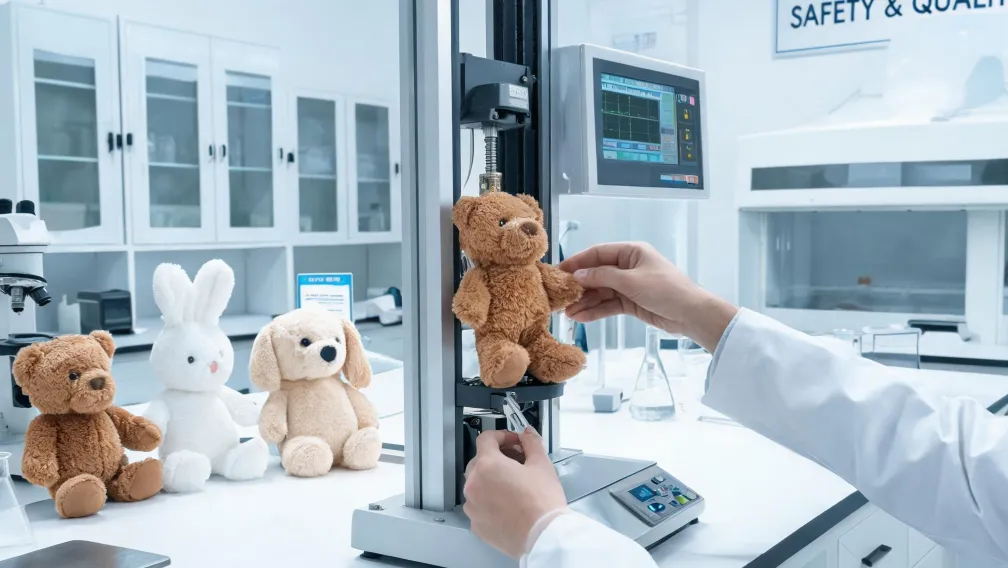
Factories ensure compliance by eliminating hard plastic eyes or noses (which pose choking hazards if detached) and replacing them with high-density flat embroidery. Every unit undergoes mechanical tension testing to verify seam strength and passes through a calibrated needle detector before entering the shipping carton. Importers must secure batch-specific laboratory test reports from accredited third parties (e.g., SGS, Intertek) to clear customs and protect the organization from recall liability.
Supply Chain Management for Event Deadlines
Sports seasons, graduation ceremonies, and corporate rebranding events operate on fixed dates. Supply chain delays render promotional merchandise useless.
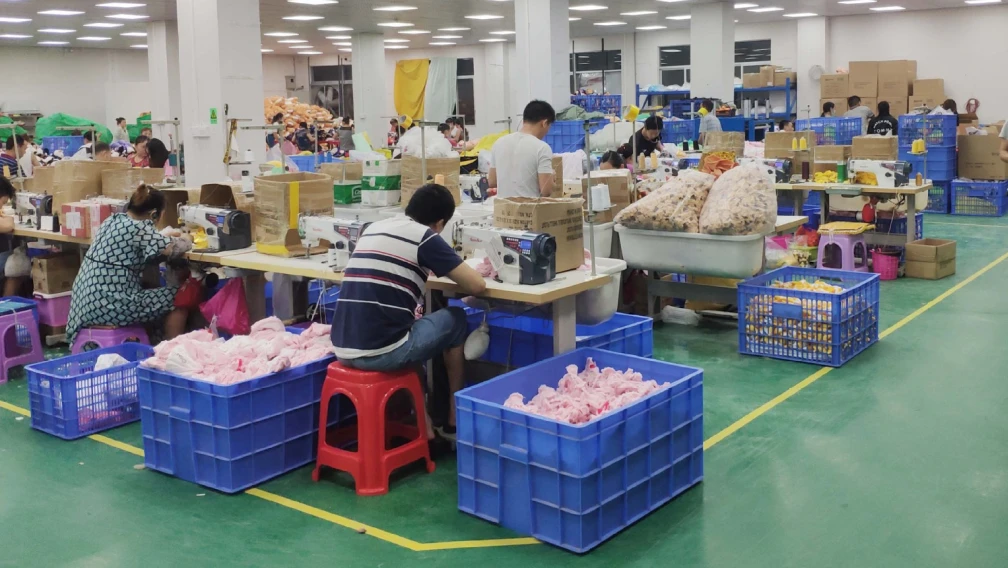
B2B buyers must engineer their procurement timeline backward from the event date. A standard production cycle requires 10 to 14 days for prototyping, followed by 30 to 40 days for bulk mass production. Ocean freight from Asia to North America or Europe adds another 30 to 45 days. To guarantee delivery for a September sporting event, the initial technical artwork and purchase order must be submitted to the factory no later than mid-May. While air freight can cut transit time to 7 days, it routinely increases shipping costs by 300 to 500 percent.
Initiating a Custom Mascot Plush Project
Replicating a mascot requires a manufacturing partner experienced in technical pattern engineering and corporate branding standards. Generic factories often fail to capture the specific attitude and proportion of a well-known character.
Prepare high-resolution photographs of your physical mascot costume from multiple angles, alongside the original vector logo files and Pantone codes. Review our specific capabilities in manufacturing custom mascot plush. If your organization is also seeking to manufacture or replace the life-sized wearable version of the character, our engineering team handles those builds through our custom mascot costumes division. Submitting your reference files initiates a technical review, providing a defined unit cost, prototype schedule, and freight estimate.
FAQ
The standard Minimum Order Quantity (MOQ) is 300 to 500 units. This volume absorbs the fixed setup costs for custom pattern engineering, embroidery digitization, and machine setup. Orders requiring exact custom Pantone fabric dyeing generally require an MOQ of 1,000 units to meet raw material minimums.
Provide high-resolution photos of the actual physical mascot costume from the front, side, and back. If the mascot is a digital asset, a vector turnaround sheet is required. Additionally, you must provide vector files (.AI or .EPS) for any team logos and exact Pantone (PMS) color codes for the uniform and fur.
Yes. Factories achieve exact corporate color matches through custom vat-dyeing the raw plush fabric. However, this process requires a higher order volume (usually 1,000+ units). For smaller runs, the factory will match your Pantone code to the closest pre-existing fabric color swatch for your physical approval.
For stadium giveaways or promotional nights, the 15 cm to 20 cm (6 to 8-inch) size is standard. It provides high perceived value for the fans, allows enough surface area for legible screen-printed team logos, and keeps bulk ocean freight costs manageable.
Yes. Regardless of whether the plush is sold in a team store or given away for free at a game, it must comply with federal toy safety regulations (ASTM F963/CPSIA in the US, EN 71 in Europe). The factory must use heavy-metal-free dyes, execute seam tension tests, and run every toy through a needle detector.
A standard mascot plush project requires 30 to 40 days for bulk production after the physical prototype is approved. The initial prototyping takes 10 to 14 days. Buyers must also budget 30 to 45 days for standard ocean freight to ensure the merchandise arrives before the sporting season or event date.